Stay informed with our newsletter.
.webp)


EN





Home design in 2026 is shifting away from neutral, one-size-fits-all aesthetics toward spaces that celebrate individuality and self-expression. Homeowners are embracing bold colors, personalized décor, vintage finds, sustainable materials, and wellness-focused design to create environments that reflect their unique personalities. Rather than following trends, people are designing homes around their lifestyles, experiences, and values. This growing focus on authenticity is making homes more vibrant, meaningful, and distinctive than ever before.
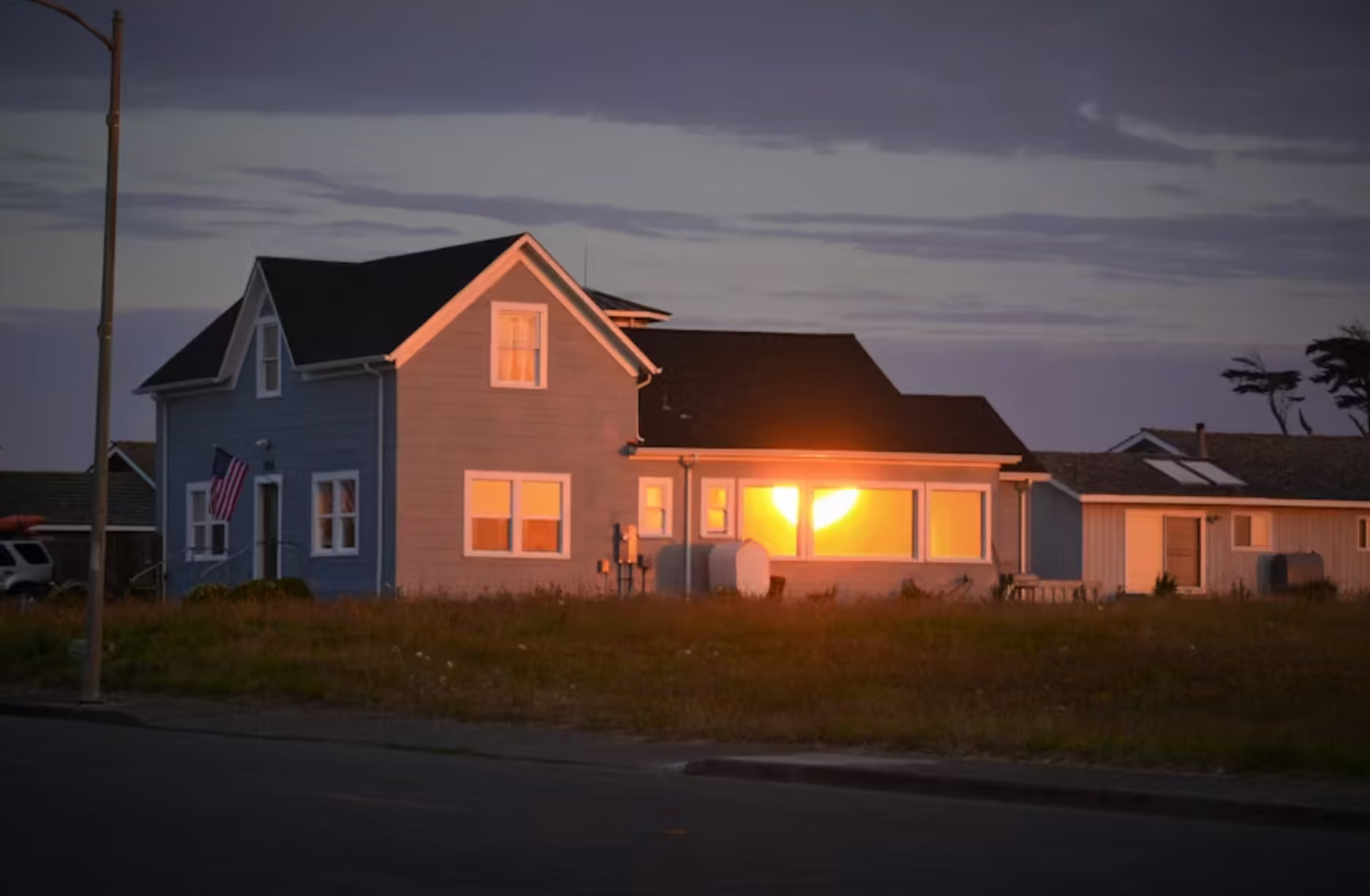
For years, home design was dominated by one aesthetic: neutral.
White walls.
Beige furniture.
Minimal décor.
Clean lines.
The goal was simple, create spaces that looked timeless, elegant, and universally appealing.
But in 2026, a dramatic shift is taking place.
Homeowners are abandoning safe, predictable interiors and embracing something far more expressive.
Homes are becoming bolder, brighter, and more personalized than ever before.
From vibrant colors and statement furniture to curated collections and unique design choices, people are transforming their homes into reflections of their personalities rather than copies of design catalogs.
What was once considered unconventional is now becoming one of the biggest lifestyle and interior design trends of the decade.
The age of playing it safe is ending.
The age of self-expression has arrived.
For much of the past decade, social media heavily influenced interior design trends.
Millions of homes began to look remarkably similar.
Neutral color palettes dominated.
Minimalist furniture became the standard.
Open shelving, monochromatic décor, and perfectly staged living rooms filled social media feeds.
This phenomenon created what many designers now refer to as the "Instagram Home."
While visually appealing, these spaces often lacked individuality.
Over time, homeowners began questioning why every living room looked the same.
The desire for uniqueness started replacing the desire for perfection.
In 2026, people are increasingly prioritizing homes that feel authentic rather than homes that simply photograph well.
Design experts report growing demand for interiors that tell personal stories instead of following trends.
The result is a move away from uniformity and toward individual identity.
One of the most noticeable changes in modern interiors is the return of color.
For years, shades of gray, white, and beige dominated home design.
Today, homeowners are embracing:
Design professionals note that color psychology plays a significant role in this trend.
Research has shown that color can influence mood, energy levels, and emotional well-being.
People are increasingly selecting colors that evoke feelings they want to experience in their homes.
For example:
Instead of designing homes for resale value alone, people are designing them for daily enjoyment.
That shift is changing everything.
Luxury used to mean expensive furniture, premium materials, and designer brands.
Today, luxury is increasingly defined by personalization.
Homeowners want spaces that feel uniquely theirs.
This includes:
Rather than purchasing identical products from large retailers, many consumers are investing in pieces that have meaning and stories attached to them.
This trend reflects a broader cultural shift.
People are placing greater value on authenticity than uniformity.
A room filled with meaningful objects often feels more valuable than one filled with expensive but generic items.
The most admired homes in 2026 are not necessarily the most expensive.
They are often the most personal.
For years, minimalism dominated interior design.
The philosophy was straightforward:
Own less.
Display less.
Decorate less.
While minimalism remains popular, many homeowners are embracing the opposite approach known as maximalism.
Maximalism celebrates:
Rather than removing personality from a room, maximalism encourages adding it.
Designers emphasize that maximalism does not mean clutter.
Instead, it focuses on intentional abundance.
Every object serves a purpose, contributes to a story, or creates visual interest.
The trend is particularly popular among younger homeowners who view their living spaces as creative extensions of themselves.
Another major factor shaping modern interiors is sustainability.
Consumers are becoming increasingly aware of environmental concerns and are making more conscious purchasing decisions.
This has fueled demand for:
Buying pre-owned furniture has become both environmentally responsible and fashionable.
Many homeowners appreciate the character and uniqueness that older pieces bring to a space.
Sustainable design also aligns perfectly with the personalization trend.
Vintage items often have stories and histories that mass-produced products lack.
As a result, homes are becoming both more environmentally friendly and more distinctive.
Interestingly, while homes are becoming more expressive visually, technology is becoming less visible.
Modern homeowners still embrace smart devices, but they increasingly prefer technology that blends seamlessly into the environment.
Examples include:
The goal is convenience without visual clutter.
People want technology to improve their homes without dominating them.
This reflects a growing desire to create spaces that feel calm, warm, and human-centered despite increasing digital integration.
The pandemic years fundamentally changed how people think about their homes.
Homes are no longer just places to sleep.
They have become spaces for:
As a result, wellness-focused design has become a major priority.
Homeowners are investing in:
Studies have shown that access to natural light and greenery can positively impact mood and overall well-being.
Designers increasingly view homes not just as shelters, but as environments that support physical and mental health.
The connection between design and wellness is expected to remain a defining trend throughout the decade.
Ironically, social media itself may be helping fuel the move toward more personal interiors.
While platforms once encouraged conformity, they now expose users to countless styles from around the world.
People are discovering new cultures, aesthetics, and design philosophies.
Instead of copying one trend, homeowners are mixing influences to create something unique.
The result is a more diverse design landscape than ever before.
No single style dominates.
And that freedom is empowering homeowners to experiment.
The biggest trend in home design isn't a specific color, material, or furniture style.
It's self-expression.
People no longer want homes that look like everyone else's.
They want homes that tell their stories.
Whether through bold colors, curated collections, vintage finds, sustainable choices, or meaningful décor, homeowners are increasingly designing spaces around who they are rather than what is trending.
This shift represents something much larger than interior design.
It reflects a cultural movement toward authenticity, individuality, and emotional connection.
In a world where so much feels standardized and digital, people are creating homes that feel deeply human.
And that's why homes in 2026 are becoming bolder, brighter, and more personal than ever before.
For questions or comments write to contactus@bostonbrandmedia.com



-v3.jpg)


-v3-02.jpg)