Stay informed with our newsletter.
.webp)


EN





An estimated one in two people living with cataract-related blindness do not have access to the surgery that could restore their vision. Despite cataracts being treatable through a safe and routine procedure, millions remain untreated due to limited healthcare infrastructure, high costs, and lack of awareness. The gap in access highlights significant global health inequalities and underscores the urgent need for expanded eye care services and affordable surgical interventions worldwide.
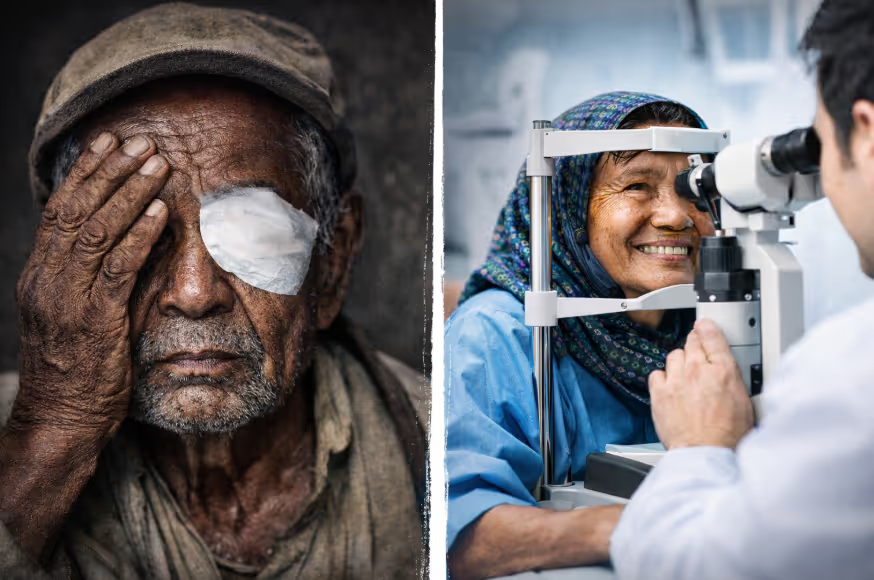
The World Health Organization is calling on governments to move faster so that millions living with cataracts can receive a straightforward operation that restores sight. This procedure remains one of the safest, most affordable, and most impactful ways to prevent avoidable blindness.
Fresh research published in The Lancet Global Health reveals the magnitude of the issue: almost half of those worldwide who are blind due to cataracts still lack access to surgery. Cataracts, which cloud the eye’s natural lens and gradually blur vision, affect more than 94 million people globally. The corrective surgery takes only about 15 minutes, yet it can dramatically and permanently return a person’s sight.
Over the last 20 years, access to cataract surgery has expanded by roughly 15%. However, ageing populations and rising case numbers have pushed demand even higher. Current projections suggest coverage may increase by another 8.4% this decade, but that pace falls short of the target set by the World Health Assembly, which aims for a 30% rise by 2030.
Devora Kestel of WHO’s Department of Noncommunicable Diseases and Mental Health emphasized that cataract surgery does far more than improve eyesight, it restores autonomy, confidence, and new opportunities for those affected. Data drawn from 68 country estimates across 2023 and 2024 indicate that the African region faces the widest treatment gap, with three out of four people needing surgery still waiting. Across all regions, women consistently encounter greater barriers to care than men.
These disparities stem from deep-rooted challenges such as shortages of trained eye-care professionals, uneven distribution of services, high out-of-pocket expenses, long waiting periods, and limited awareness about available treatment options. Although ageing remains the leading risk factor, other influences, including extended UV-B exposure, tobacco use, steroid medications, and diabetes, can speed up cataract development.
Closing this gap is both realistic and essential. Governments can make faster progress by embedding vision checks into primary healthcare, strengthening surgical facilities, and expanding the eye-care workforce, especially in rural and underserved communities.
Focused strategies that prioritize women and marginalized groups will be key to narrowing persistent inequalities. WHO is urging governments, civil society, and partners to sustain momentum, confront gender and geographic disparities, and ensure that sight-saving surgery becomes accessible to all, turning avoidable blindness into a preventable condition worldwide.
For questions or comments write to contactus@bostonbrandmedia.com
Source: WHO



-v3.jpg)


-v3-02.jpg)