Stay informed with our newsletter.
.webp)


EN





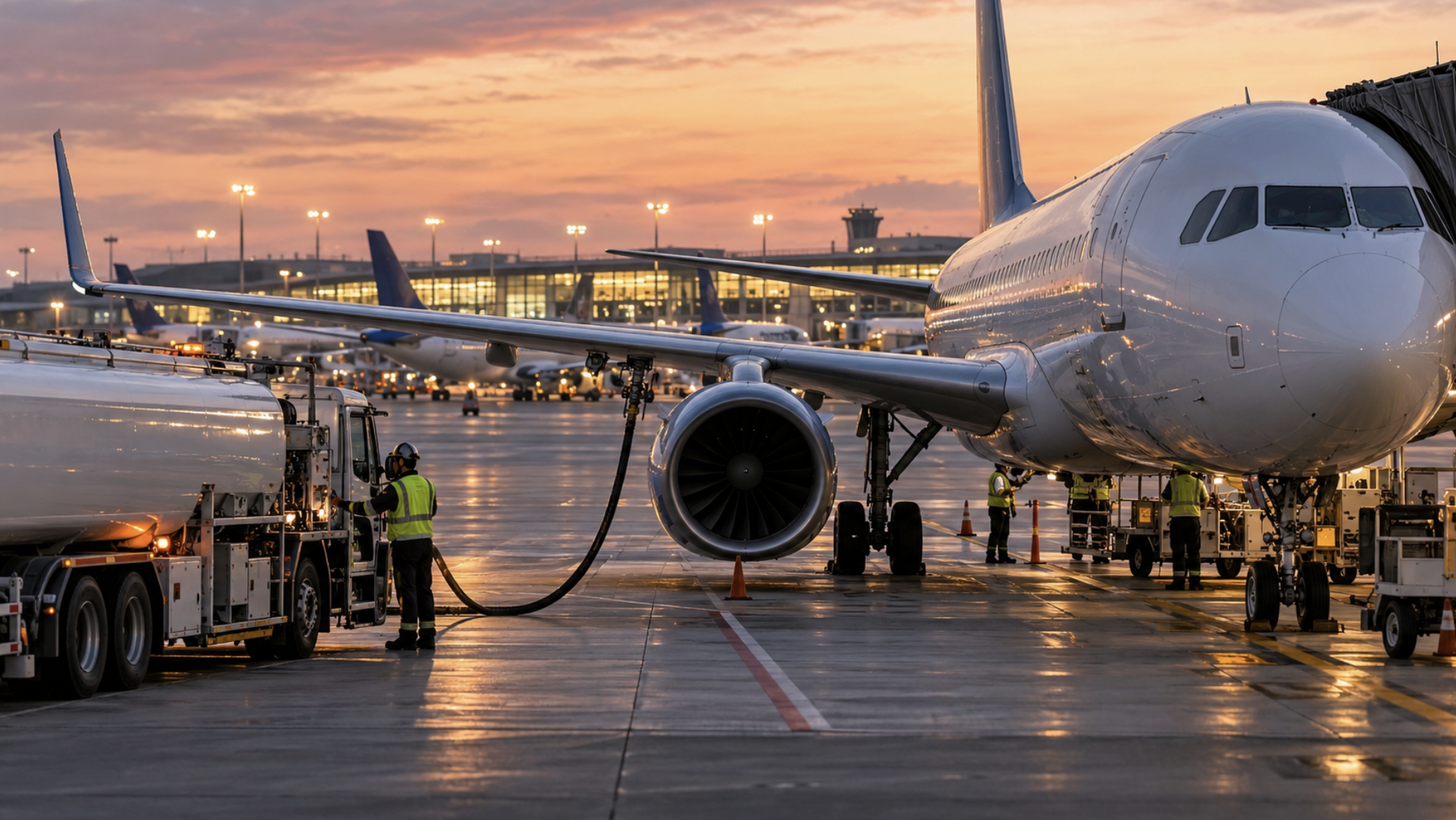
In 2026, the aviation industry is experiencing renewed growth driven by rising travel demand, fleet expansion, and rapid technological innovation. Airlines and manufacturers are investing in fuel-efficient aircraft, sustainable aviation solutions, and digital technologies to improve operations and passenger experience. At the same time, market shifts such as evolving regulations, new routes, and changing consumer expectations are reshaping global aviation, making 2026 a pivotal year for transformation and long-term industry growth.

The global aviation industry enters 2026 amid a dynamic mix of fleet expansions, technology breakthroughs, infrastructure modernization, and profitability stabilization. After years of pandemic recovery and supply chain disruption, airlines and aerospace manufacturers are showing strategic resilience, investment confidence, and forward-looking innovation. From massive aircraft orders and infrastructure upgrades to AI-powered systems and evolving travel demand, here’s the latest on what’s shaping aviation this year.
Alaska Airlines has placed its largest-ever aircraft order, committing to 110 new Boeing jets, including 105 737 MAX 10s and five 787-10 Dreamliners, as it pursues global network growth and fleet modernization through the decade.
This landmark order not only reflects confidence in long-term travel demand but also boosts Boeing’s production outlook after years of supply challenges.
Archer Aviation’s stock jumped after announcing a partnership with Nvidia to integrate advanced AI technology into its commercial eVTOL (electric vertical takeoff and landing) aircraft. These urban air mobility vehicles are designed to be quieter and safer than traditional helicopters and could launch commercially as early as mid-2026 in the Middle East and later in the U.S.
Meanwhile, broader aviation tech trends, from predictive maintenance to digital avionics and data-driven operations, are transforming safety, efficiency, and passenger experience industry-wide.
The U.S. government awarded major radar and air traffic modernization contracts to RTX and Indra, accelerating a $12.5 billion overhaul of aging air traffic systems. This is aimed at reducing airport congestion, improving safety, and bringing old radar tech up to modern standards.
Upgraded air traffic management will be essential to support growing flight volumes and future technologies such as autonomous systems and urban air mobility vehicles.
A recent overview of the largest airline fleets in 2026 highlights how carriers in the U.S., China, and other markets continue to scale up capacity with modern jets and expanded networks.
This trend reflects airlines’ strategic prioritization of capacity growth to meet strong passenger demand, especially on international corridors.
Heightened geopolitical tensions and reliance on critical materials, especially rare earths used in jet engines and aerospace tech, have raised concerns among European aerospace leaders, prompting calls for more resilient supply chains.
These vulnerabilities have spotlighted the need for diversified sourcing and strategic industry partnerships, particularly in the face of global trade pressures and technological competition.
The International Air Transport Association (IATA) projects that airline profitability will stabilize with a net margin near 3.9% in 2026, even as revenues grow past $1 trillion and passenger numbers reach record levels.
Following production slowdowns in recent years, aircraft deliveries, especially to carriers in India and other growth markets, are poised for a major rebound in 2026, supporting expansion and improved service reliability.
AI, digital avionics, and integrated flight systems are becoming mainstream for operators, enhancing predictive maintenance and operational efficiency while reducing downtime.
The aviation industry in 2026 is charting a forward-looking path, combining fleet modernization, digital transformation, infrastructure upgrades, and tech partnerships to capture growth while navigating supply challenges and geopolitical headwinds.
Whether it’s AI-enabled flight systems, next-generation aircraft deliveries, or air traffic modernization, 2026 promises to be a year where innovation and operational evolution take center stage, redefining how we connect the world.
For questions or comments write to contactus@bostonbrandmedia.com



-v3.jpg)


-v3-02.jpg)