Stay informed with our newsletter.
.webp)


EN





Live entertainment is thriving as audiences seek authentic, shared experiences that digital content cannot fully replace. After years of scrolling, streaming, and virtual interaction, people are craving the energy of concerts, festivals, theater, and live events. These moments offer connection, emotion, spontaneity, and lasting memories. The boom reflects a growing desire to step away from screens and engage with culture, communities, and stories in real time. It shows experience now matters more than passive consumption.

In a world overflowing with streaming platforms, short videos, AI-generated content, and always-on social media, one part of the entertainment industry is becoming more powerful than ever: live entertainment. From concerts and music festivals to sports events, fan conventions, theatre, cultural festivals, and immersive experiences, audiences around the world are spending more time and money on events they can physically attend, feel, share, and remember.
The reason is simple: digital content is convenient, but live experiences are irreplaceable. A concert crowd singing together, a stadium erupting after a last-minute goal, a fan meeting their favorite actor at a convention, or a family walking through an immersive art space creates something that cannot be fully copied by a phone screen. This is why live entertainment is not just recovering after the pandemic; it is expanding into one of the strongest growth areas in global media.
According to PwC’s Global Entertainment & Media Outlook 2026–30, the worldwide entertainment and media industry is expected to reach US$4.2 trillion in revenue by 2030, growing at a 3.4% compound annual growth rate. PwC specifically identifies live and immersive experiences, including sports, concerts, and trade shows, as significant growth areas because consumers are increasingly seeking in-person experiences in a digital world.
The strongest symbol of this shift is the global concert business. Major artists are turning tours into cultural events, not just performances. Fans do not simply buy a ticket to hear songs; they buy into a full shared experience involving fashion, travel, social media, merchandise, community, and identity.
Live Nation’s 2025 results show the size of this demand. The company reported hosting 159 million fans across 55,000 shows globally in 2025, with international markets delivering record fan counts and exceeding the U.S. for the first time. North American stadium fan counts more than doubled, while 20% of fans attending Live Nation’s top 50 tours were there for international acts, showing that music demand is no longer limited by language or geography.
Live Nation’s global fandom report also says that in 2025, more than 130 million fans had already bought tickets, while stadium attendance tripled year over year and festivals were selling out faster. This shows that the modern fan wants more than digital access; they want presence, emotion, and participation.
This is visible across regions. In North America, stadium tours and festival brands continue to attract huge crowds. In Europe, heritage festivals, electronic music events, theatre, opera, and summer cultural programs remain powerful tourism drivers. In Asia-Pacific, K-pop, J-pop, Bollywood concerts, anime conventions, esports tournaments, and regional music festivals are creating new live entertainment economies. In Latin America, stadium concerts, football culture, Carnival, and music festivals are major cultural engines. In the Middle East, countries such as Saudi Arabia and the UAE are investing heavily in large venues, festivals, sports events, and destination entertainment.
Live sports remain one of the most valuable forms of entertainment because they happen in real time. Unlike movies or series, sports cannot be fully postponed without losing emotional impact. The drama, uncertainty, crowd energy, and national pride make sports a powerful driver of live attendance, broadcast value, sponsorship, and tourism.
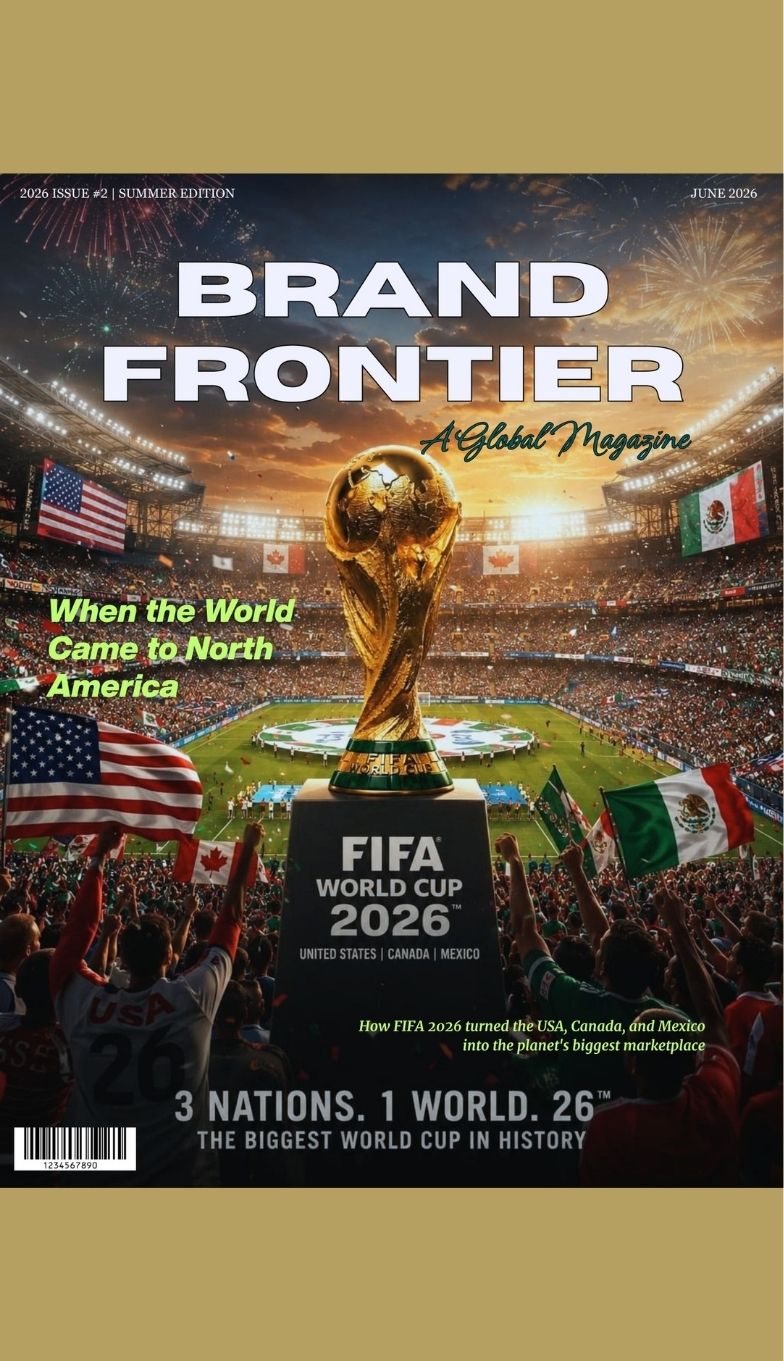
The FIFA World Cup 2026 has become a major example of live sports as global entertainment. FIFA reported that during the group stage, more than 5.5 million fans gathered at FIFA Fan Festivals across the three host countries, with a single-day attendance record of 527,402 people on June 24 and Mexico City’s Fan Festival reaching 201,500 people on June 18.
These numbers prove that sports are no longer limited to stadium seats. They now include fan zones, music performances, hospitality packages, brand activations, food and beverage experiences, and citywide cultural programming. A major tournament is now a complete live entertainment ecosystem.
Festivals are also booming because they combine music, travel, food, fashion, art, camping, wellness, and social identity. For younger audiences especially, festivals are not only about performers; they are about belonging to a community. A festival gives people a reason to dress up, travel with friends, post content, discover new artists, and feel part of a temporary world.
This is why major festivals in the U.S., Europe, Asia, Latin America, and Australia continue to attract global attention. Events such as Coachella, Glastonbury, Tomorrowland, Lollapalooza, Rock in Rio, Ultra, Sunburn, and regional cultural festivals have become powerful brands. The most successful festivals are not selling only tickets; they are selling memories, identity, and social currency.
Live Nation’s 2025 update also showed strong demand for major festivals, including sold-out events such as EDC Vegas, Lollapalooza Chicago, Lowlands, Electric Picnic, and Isle of Wight.
Another major trend is the rise of immersive entertainment. Audiences increasingly want to walk into stories, not just watch them. This includes 360-degree digital art shows, VR and AR experiences, interactive theatre, themed attractions, brand pop-ups, experiential museums, and high-tech venues.
PwC highlights this perfectly: in a digital world, people are becoming more attracted to real-world experiences that are immersive, emotional, contextual, and personal. PwC also points to Sphere in Las Vegas as an example of how immersive venues can become major attractions, noting that Sphere reported US$781 million in revenue in 2025 with programming including 4D screenings and concerts.
This is important because immersive entertainment sits between media, technology, tourism, retail, and live events. A fan may discover an experience online, buy a ticket through a mobile platform, attend in person, create social content, purchase merchandise, and share the memory globally. That makes immersive entertainment valuable for both audiences and brands.
Fan conventions are another fast-growing area because they transform digital fandom into physical community. Fans of anime, gaming, comics, film, K-pop, fantasy, sci-fi, and celebrity culture want to meet each other, attend panels, buy exclusive merchandise, cosplay, and interact with creators.
This is especially important in an age where fandoms are global. A person may discover a show on Netflix, follow fan edits on TikTok, discuss theories on Reddit, and then attend a convention in Los Angeles, London, Tokyo, Seoul, Mumbai, São Paulo, or Dubai. The digital world creates the fan base, but the live event deepens loyalty.
The boom in live entertainment comes from several powerful human needs: connection, belonging, excitement, status, escape, and memory-making. Streaming offers unlimited content, but it can feel passive and lonely. Live events offer scarcity: one night, one crowd, one moment.
For businesses, this creates major opportunities. Ticketing, sponsorship, premium seating, hospitality, food and beverage, merchandise, travel, content rights, creator partnerships, and brand activations are all growing around live events. The winners will be companies that combine great programming, smart technology, safe crowd management, fair pricing, and memorable fan experiences.
The global entertainment industry is becoming more digital, but that does not mean people want to live only through screens. In fact, the more digital life becomes, the more valuable real-world experiences become. Concerts, festivals, sports, fan conventions, and immersive attractions are booming because they offer something digital content cannot fully replace: human energy.
The future of entertainment will not be only about what people watch. It will be about where they go, who they go with, what they feel, and what they remember. That is why live entertainment is one of the most important growth stories in the global media industry today.
For questions or comments write to contactus@bostonbrandmedia.com



-v3.jpg)


-v3-02.jpg)