Stay informed with our newsletter.
.webp)


EN





Global oil markets remain under intense pressure as geopolitical disruptions, tight fuel supplies and concerns over energy security keep prices elevated. In a major response, G7 nations have agreed to release up to 100 million barrels of crude oil and petroleum products from emergency reserves over four months, with a substantial diesel release planned within the first 20 days. The move is designed to ease supply shortages and stabilize prices, but analysts warn that prolonged geopolitical risks could continue to unsettle energy markets.
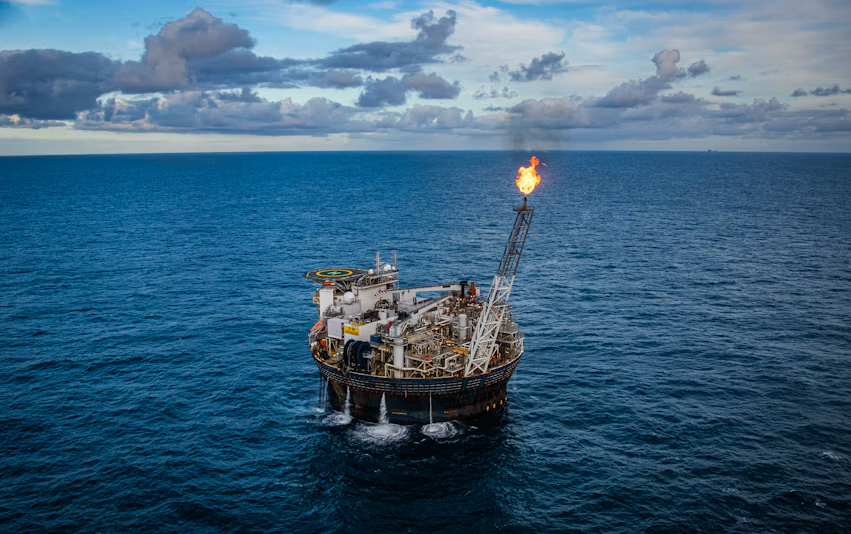
Global oil markets are facing renewed pressure as elevated crude prices, tight diesel supplies and disruptions to international energy trade create challenges for governments, businesses and consumers.
The Group of Seven has agreed to coordinate the release of up to 100 million barrels of crude oil and petroleum products from emergency reserves over four months, with a significant portion of the initial supply expected to be diesel. The International Energy Agency will coordinate the release, as governments seek to ease pressure on fuel markets.
Oil prices have remained volatile amid continuing geopolitical uncertainty. On October 2, Brent crude settled at $102.25 a barrel, while West Texas Intermediate settled at $91.11. Concerns over Middle East supply disruptions and the security of major shipping routes have added to market uncertainty.
The Strait of Hormuz remains a key focus because of its importance to global energy shipments. Disruptions affecting crude exports, refineries and refined-product supplies have contributed to tighter fuel markets, particularly for diesel.
Diesel is especially important because it powers much of the world's transportation, agriculture, construction and industrial activity. Higher diesel costs can increase shipping and production expenses, eventually putting additional pressure on consumer prices.
The G7's emergency reserve release is intended to provide a temporary supply boost. Oil prices initially moved lower after the announcement as traders anticipated additional barrels entering the market. However, emergency reserves cannot permanently resolve supply disruptions if geopolitical tensions, refinery damage or shipping problems continue.
Higher oil prices also pose a challenge for central banks. Rising energy costs can contribute to inflation, while efforts to contain inflation through higher interest rates can weigh on economic growth. The result is a difficult environment for policymakers already balancing price stability with economic activity.
The next phase of the oil market will depend heavily on developments in the Middle East, the security of international shipping routes, refinery operations and global crude production. If supplies recover and transportation routes stabilize, some pressure could ease. If disruptions continue, energy markets may remain volatile.
For consumers and businesses worldwide, the key question is how long elevated energy costs will persist and how deeply they will affect the broader global economy.
For questions or comments write to contactus@bostonbrandmedia.com



-v3.jpg)


-v3-02.jpg)