Stay informed with our newsletter.
.webp)


EN





A series of earthquakes has shaken parts of Venezuela, alarming residents and prompting authorities to assess potential damage. While initial reports indicate limited structural destruction in most affected areas, emergency services remain on alert for aftershocks and possible infrastructure risks. Venezuela's location along active tectonic boundaries makes it vulnerable to seismic activity, underscoring the importance of preparedness and rapid emergency response. Officials continue monitoring the situation as communities recover and engineers inspect buildings, roads, and public facilities.
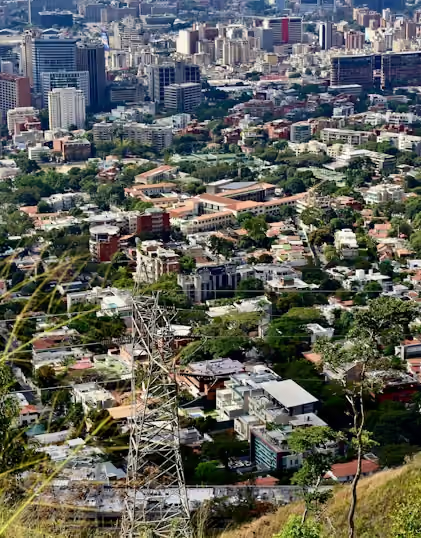
CARACAS, Venezuela - A series of earthquakes rattled parts of Venezuela, sending residents rushing into the streets and prompting emergency officials to assess the extent of the damage. Although early reports suggest the quakes caused limited structural destruction in most areas, authorities remain on high alert as aftershocks continue to pose a potential threat.
The strongest tremor was felt across several communities, where buildings swayed and power outages were reported in isolated locations. Emergency response teams were quickly deployed to inspect homes, hospitals, schools, bridges, and other critical infrastructure for signs of damage.
Officials have urged residents to remain calm while following safety guidance, particularly in regions where aftershocks are expected. Authorities also advised people to avoid damaged buildings until engineers determine they are safe to enter.
Venezuela lies near the boundary of the Caribbean and South American tectonic plates, making earthquakes a recurring natural hazard. While many seismic events are too small to cause significant damage, stronger earthquakes have the potential to impact densely populated communities and aging infrastructure.
Local emergency management agencies continue coordinating with regional authorities to evaluate conditions and provide assistance where needed. Search and rescue teams remain on standby, although no widespread rescue operations have been reported following the initial assessments.
Residents described moments of panic as the ground shook unexpectedly. Many gathered in open spaces while waiting for official updates, with families checking on loved ones and businesses temporarily suspending operations as precautionary inspections were carried out.
Experts emphasize that aftershocks can continue for hours or even days after a significant earthquake. They recommend that residents keep emergency supplies readily available, identify safe locations within their homes, and stay informed through official government and emergency management channels.
As inspections continue, authorities are expected to release updated information regarding any confirmed injuries, structural damage, or disruptions to transportation and public services. Until then, emergency officials are encouraging vigilance while reassuring the public that response teams remain fully mobilized to address any developing situations.
The recent earthquakes serve as another reminder of Venezuela's seismic vulnerability and the critical importance of preparedness, resilient infrastructure, and effective emergency response in reducing the risks posed by natural disasters.
For questions or comments write to contactus@bostonbrandmedia.com



-v3.jpg)


-v3-02.jpg)