Stay informed with our newsletter.
.webp)


EN




Food and beverage consumption is being reshaped by three powerful forces: GLP-1 weight-loss drugs, growing demand for functional and alcohol-free drinks, and the rapid influence of social commerce. Together, these trends are changing portion sizes, product development, health priorities, shopping habits, and brand discovery. Consumers increasingly seek nutrient-dense foods, purposeful beverages, and products that deliver clear benefits, while digital platforms accelerate trends and turn food choices into social, shareable experiences across the global marketplace today.
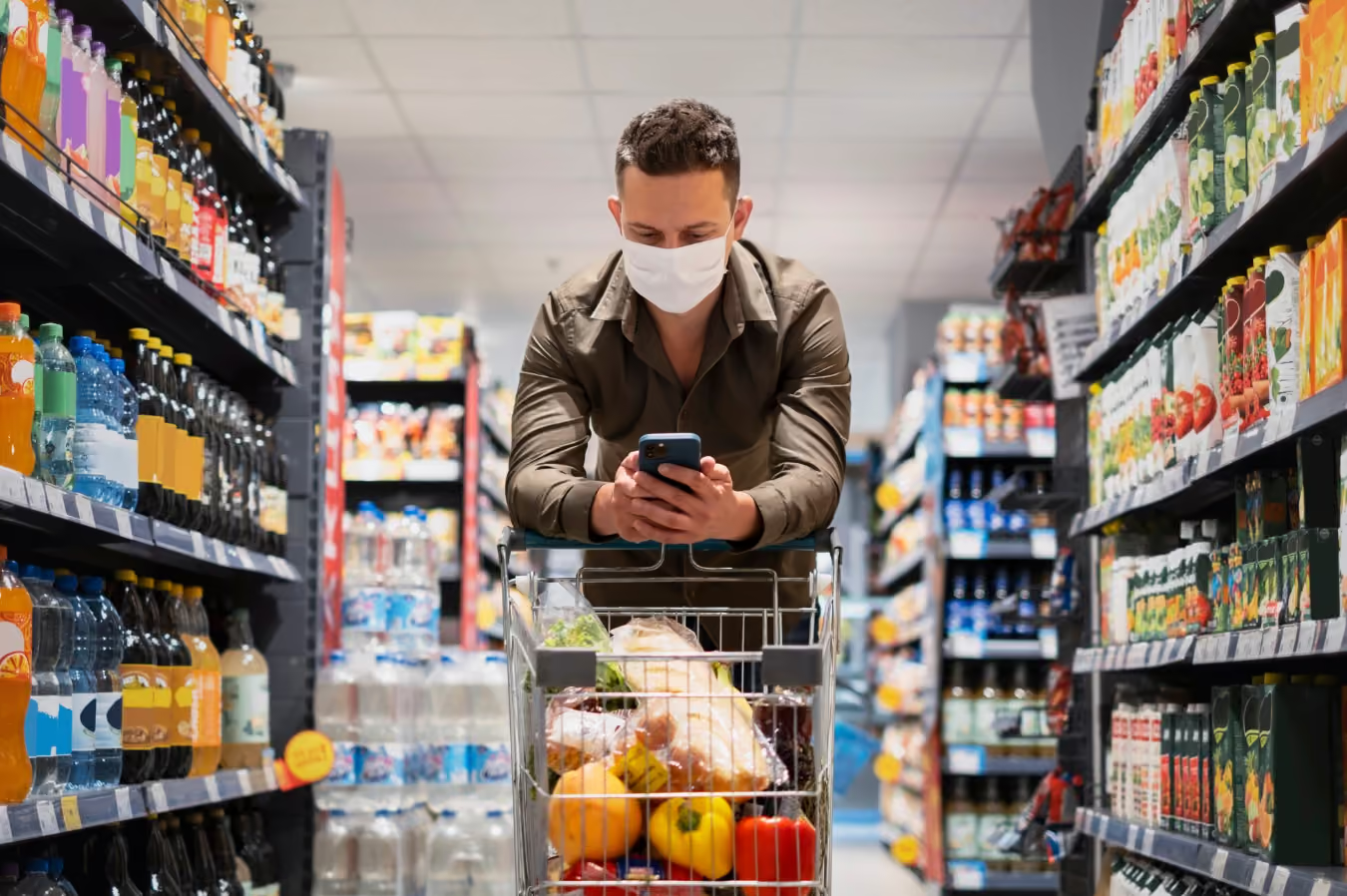
The global food and beverage industry is entering one of its most significant periods of change. Consumers are no longer selecting products solely according to taste, price or convenience. Their decisions are increasingly shaped by weight-management medicines, preventive health, alcohol moderation, social-media creators and rapidly changing online trends.
Three forces are particularly influential in 2026: the growing use of GLP-1 weight-loss drugs, the expansion of functional and alcohol-free beverages, and the rise of social commerce as a product-discovery and purchasing channel. Although these developments may appear separate, they are connected by a wider shift towards intentional consumption. People increasingly want every meal, snack and drink to deliver a clear benefit, meaningful experience or shareable story.
Medicines such as Ozempic and Wegovy were originally developed to support diabetes management, but their appetite-suppressing effects have also transformed weight management. Their influence is now extending beyond healthcare and into supermarkets, restaurants, packaged foods and product development.
By May 2026, approximately 21% of US households included a GLP-1 user, compared with 9% in January 2025. Consumers using these medications are buying fewer sweet products, reducing salty-snack purchases and increasingly choosing foods with higher protein, lower sugar and additional fibre.
Research by PwC found that GLP-1 users spent, on average, around 11% less across most food categories, with some of the largest reductions occurring in sweet snacks, salty snacks and baked goods. More than half of those surveyed said they wanted to make healthier choices, while others reported reductions in binge eating and alcohol consumption.
This does not necessarily mean that consumers simply want less food. Instead, they are demanding more nutritional value from every bite. Smaller appetites can make protein, fibre, vitamins and minerals more important because consumers have fewer eating occasions through which to obtain essential nutrients.
Portion expectations are also changing. Approximately 35% of current GLP-1 users want smaller portions at proportionally lower prices, while 32% want restaurants to offer half-portions or split plates without imposing an additional charge. This creates an opportunity for restaurants to introduce flexible menus, protein-focused dishes and smaller premium portions rather than relying on oversized meals as a symbol of value.
Large food manufacturers are already feeling the impact. PepsiCo’s North American food sales declined 2% during its second quarter of 2026, while volumes remained flat, despite price reductions of up to 15% on major snack brands. General Mills, meanwhile, has accelerated the development of protein-focused products, with new products expected to represent approximately 25% of its fiscal 2026 net sales.
The successful food products of the future may therefore be smaller, nutritionally denser and more functional. Protein-rich yogurts, fibre-enhanced snacks, portion-controlled meals and low-sugar products could move from specialist health categories into the mainstream.
A similar transformation is taking place in beverages. Consumers are increasingly looking beyond the traditional choice between an alcoholic drink and a sugary soft drink. They now have access to alcohol-free beers, botanical spirits, functional sodas, hydration beverages, prebiotic drinks and mood-focused products.
According to IWSR, global volumes of no-alcohol alternatives, including alcohol-free beer, wine, spirits and ready-to-drink products, were expected to have grown by 9% in 2025. The category is forecast to expand by 36% between 2024 and 2029, potentially reaching more than 18 billion servings annually by 2029.
Health is a major driver. Across ten important markets, 37% of consumers choosing no-alcohol beer described it as a healthy lifestyle choice. The percentage increased to 40% among buyers of alcohol-free wine and spirits.
Demand is visible in individual markets as well. More than 64 million pints of low- and no-alcohol beer were forecast to be sold in the United Kingdom during summer 2026, approximately eight million more than in 2025.
However, removing alcohol is no longer enough to differentiate a drink. Consumers increasingly expect additional advantages such as energy, hydration, digestive support, relaxation or improved focus. Functional ingredients including electrolytes, prebiotics, probiotics, botanical extracts and natural sweeteners are helping brands position beverages as tools for everyday wellbeing.
The strongest products will need to balance functionality with flavour. A beverage may promise hydration or digestive benefits, but repeat purchases will still depend on taste, affordability and credibility. Brands must also communicate responsibly, particularly when using ingredients associated with mental performance, stress relief or gut health. Unsupported wellness claims could quickly damage consumer trust.
While health is changing what consumers want, social commerce is changing how they discover it. Food trends once developed through restaurants, television advertising and supermarket promotions. Today, a product can become globally desirable after appearing in a short video, creator review or viral recipe.
NielsenIQ reports that social platforms are increasingly shaping food and beverage discovery, impulse purchases and snacking occasions. Creators and real-time trends can rapidly increase demand for unfamiliar flavours, limited-edition products and new eating formats.
In the Asia-Pacific quick-commerce market, creator content influences almost 40% of buyers. Limited-time deals motivate 57% of users, immediate needs influence 56%, and impulse buying drives 55%, demonstrating how convenience, urgency and entertainment are becoming closely connected.
This creates enormous opportunities for smaller food businesses. A new beverage or snack no longer requires a nationwide advertising campaign before gaining recognition. A visually distinctive product, authentic creator partnership or unusual flavour can attract attention almost immediately.
However, viral attention is not the same as sustainable demand. Food and beverage brands must be prepared for sudden increases in orders, potential shortages and rapidly changing consumer interest. Products that cannot maintain quality, availability or transparent communication may disappear as quickly as they became popular.
Together, these trends reveal a clear direction. Consumers want products that provide better nutrition, greater personal choice, social relevance and visible value.
GLP-1 adoption is encouraging smaller portions and nutrient-dense foods. Functional and alcohol-free beverages are giving consumers more ways to socialise without abandoning health goals. Social commerce is turning discovery into entertainment and reducing the distance between seeing a product and purchasing it.
The next generation of successful food and beverage brands will not simply sell something to eat or drink. They will offer a specific benefit, a credible story and an experience worth sharing. In the new food economy, the winning formula will be straightforward but demanding: make every bite meaningful, every drink purposeful and every digital interaction memorable.
For questions or comments write to contactus@bostonbrandmedia.com



-v3.jpg)


-v3-02.jpg)