Stay informed with our newsletter.


EN




Stroke is a time-critical medical emergency where rapid recognition and treatment can significantly influence patient outcomes. Sunway Medical Centre Penang provides 24-hour comprehensive stroke care, combining emergency assessment, advanced neuroimaging, thrombolysis, mechanical thrombectomy, specialist expertise and rehabilitation. Recognising symptoms through the BE FAST approach and seeking immediate medical attention are essential. With coordinated multidisciplinary care extending from diagnosis and intervention to recovery and prevention, every stage plays a vital role in improving stroke outcomes.
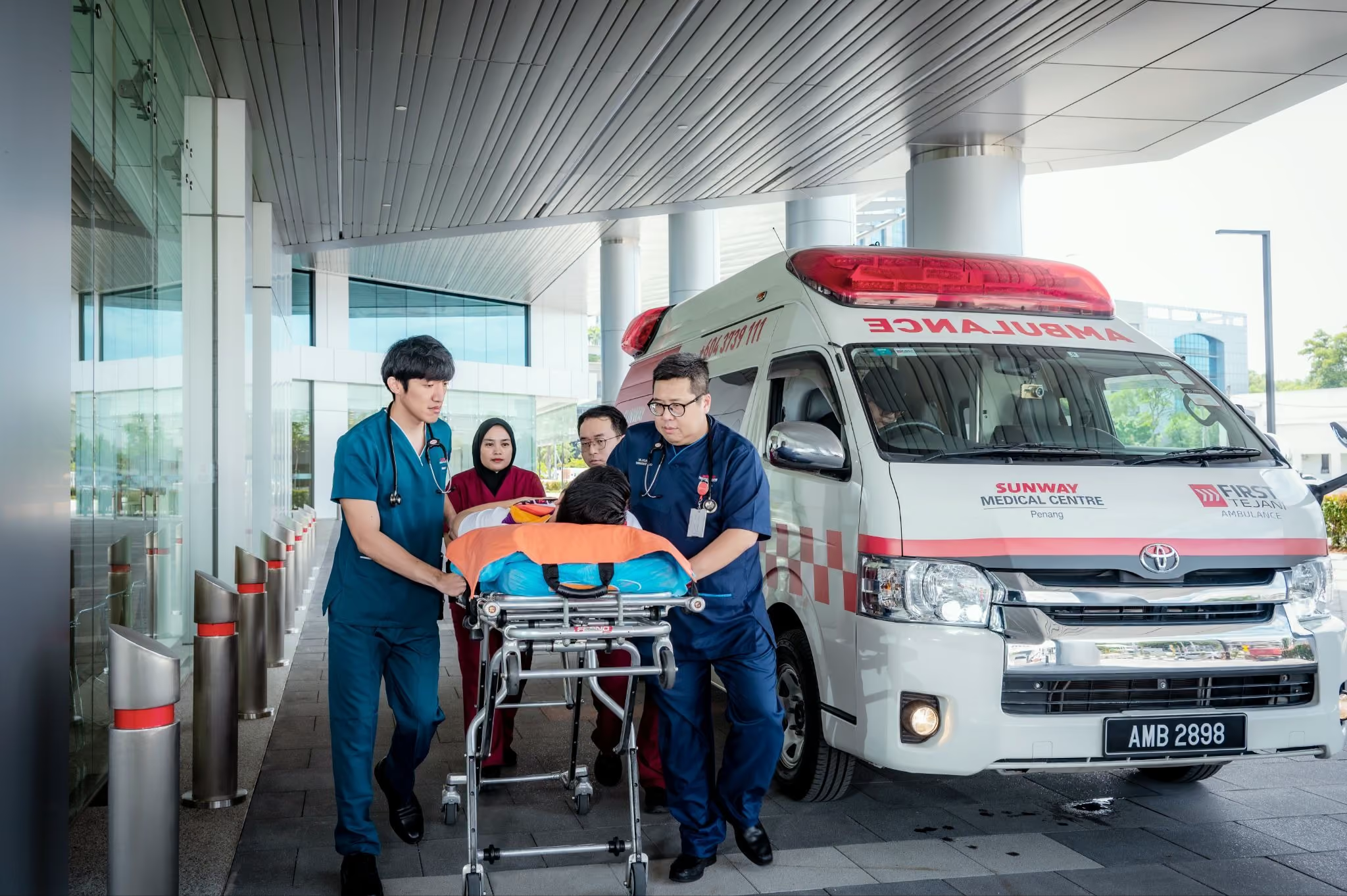
Stroke remains a major global health challenge, with an estimated 11.9 million new cases and approximately 7.3 million deaths worldwide in 2021, according to the World Health Organization (WHO). The lifetime risk of stroke has increased by 50% over the past two decades, with one in four adults aged 25 and above expected to experience a stroke in their lifetime.
The burden is also significant in Malaysia, where approximately 52,000 stroke cases are reported annually, equivalent to around six cases every hour, according to the Malaysia Stroke Council and Malaysian Society of Neurosciences. Projections have also warned that one in four Malaysians could experience a stroke by 2040.
Stroke is not solely a condition affecting older adults. Data from Malaysia's Monitoring Stroke Burden study found that around 40% of stroke patients were below the age of 60, highlighting its impact on people during their working and family-building years. This reinforces the need for greater awareness, early recognition of symptoms and timely access to medical care.
At Sunway Medical Centre Penang (SMCP), stroke care is guided by one critical principle: time is brain. From the moment a patient arrives at the Emergency Department, rapid assessment, advanced imaging and coordinated specialist decision-making are essential to determine the appropriate treatment, whether to restore blood flow, manage bleeding or minimise neurological damage.
SMCP's Stroke Centre provides 24-hour comprehensive stroke care, bringing together emergency physicians, neurologists, interventional radiologists, neurosurgeons, rehabilitation specialists, nurses and allied health professionals throughout the patient's stroke journey. Its capabilities include advanced neuroimaging with CT, MRI and MRA brain imaging, cerebral angiography and a Hybrid Catheterisation Laboratory. For eligible patients, treatment may include intravenous thrombolysis to dissolve blood clots or mechanical thrombectomy to remove them, depending on clinical assessment.
SMCP's commitment to quality stroke care has also been recognised through the World Stroke Organization (WSO) Angels Gold Award. In time-critical emergencies, rapid assessment, clinical expertise and coordinated decision-making are essential to delivering appropriate treatment and improving the potential for better patient outcomes.
Time Is Brain: Why Speed Matters
A stroke does not wait. When blood flow to the brain is interrupted, brain tissue can become damaged rapidly. Research commonly cited by the American Stroke Association estimates that nearly two million brain cells may be lost every minute during an untreated stroke.
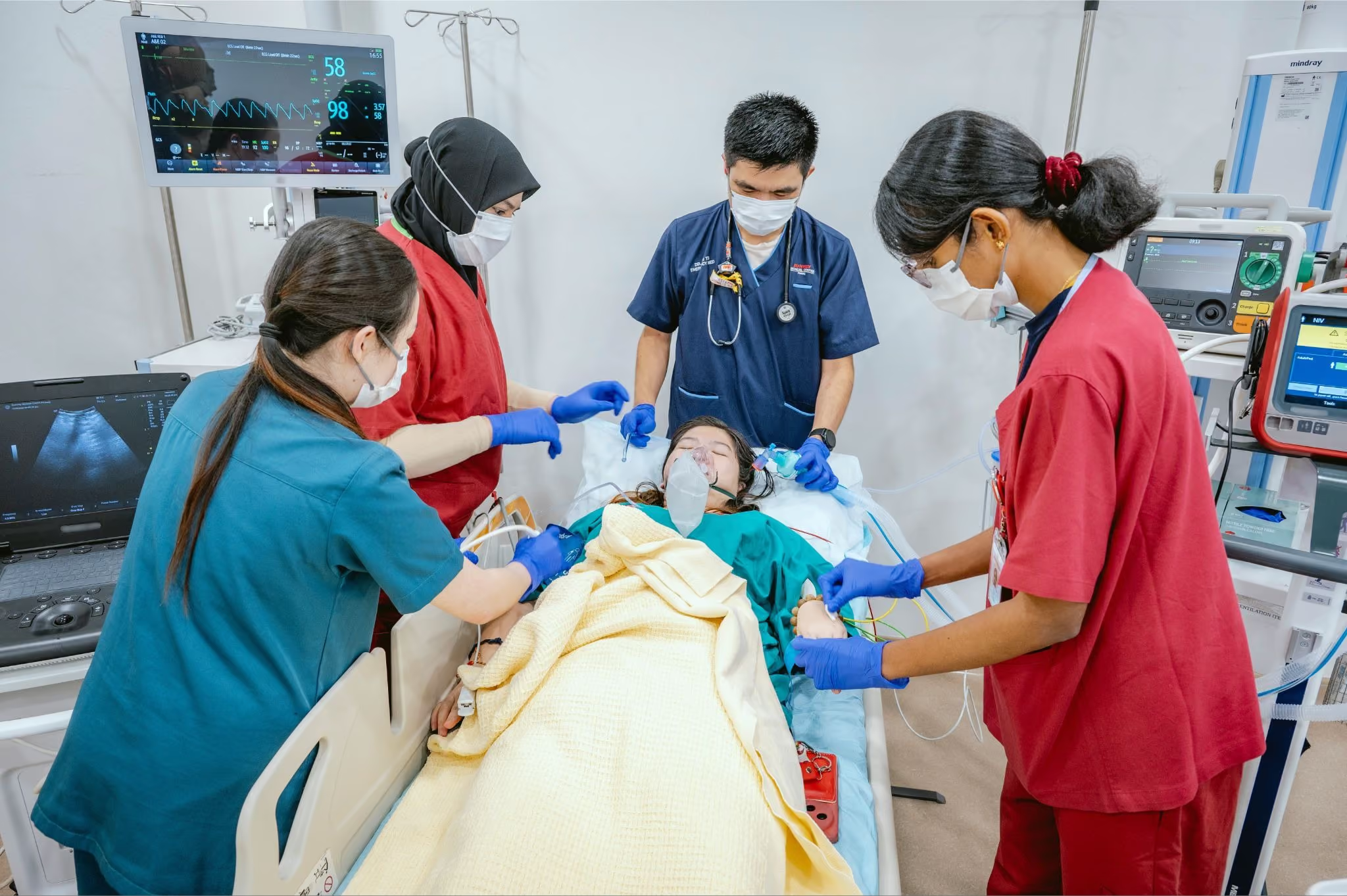
This is why the period from symptom onset to treatment is so important. For eligible patients with acute ischaemic stroke, intravenous thrombolysis can help dissolve the clot and restore blood flow, but its effectiveness is highly time dependent. For selected patients with certain large-vessel blockages, mechanical thrombectomy may be performed to physically remove the clot and restore circulation.
Within the hospital, one of the important measures of acute stroke performance is door-to-needle time — the interval between a patient's arrival at hospital and administration of intravenous thrombolysis. A commonly recognised quality benchmark is to deliver thrombolysis within 60 minutes of hospital arrival for eligible patients.
This makes a rapid stroke pathway essential. From emergency assessment and neurological evaluation to brain imaging, specialist review and treatment, each step needs to happen efficiently and in coordination. The goal is not simply to treat stroke quickly, but to ensure that the right treatment reaches the right patient at the right time.
Recognising the Signs: BE FAST
The first step in rapid stroke care happens before the patient reaches hospital: recognising the warning signs.
The BE FAST approach highlights common symptoms of stroke. B stands for Balance, including sudden loss of balance or coordination. E stands for Eyes, referring to sudden changes in vision. F stands for Face, such as facial drooping or weakness on one side. A stands for Arms, including sudden weakness or numbness, particularly on one side of the body. S stands for Speech, including slurred speech or difficulty speaking or understanding language. T stands for Time — a reminder that stroke is a medical emergency and urgent medical attention is essential.
Symptoms can vary depending on which part of the brain is affected. Even if symptoms improve or disappear, urgent assessment remains important, as transient neurological symptoms may indicate a transient ischaemic attack (TIA), which can signal an increased risk of a future stroke.
From Emergency Arrival to Rapid Diagnosis
Once a suspected stroke patient arrives at SMCP, the priority is to establish what has happened, how severe it is and which treatment options may be appropriate.
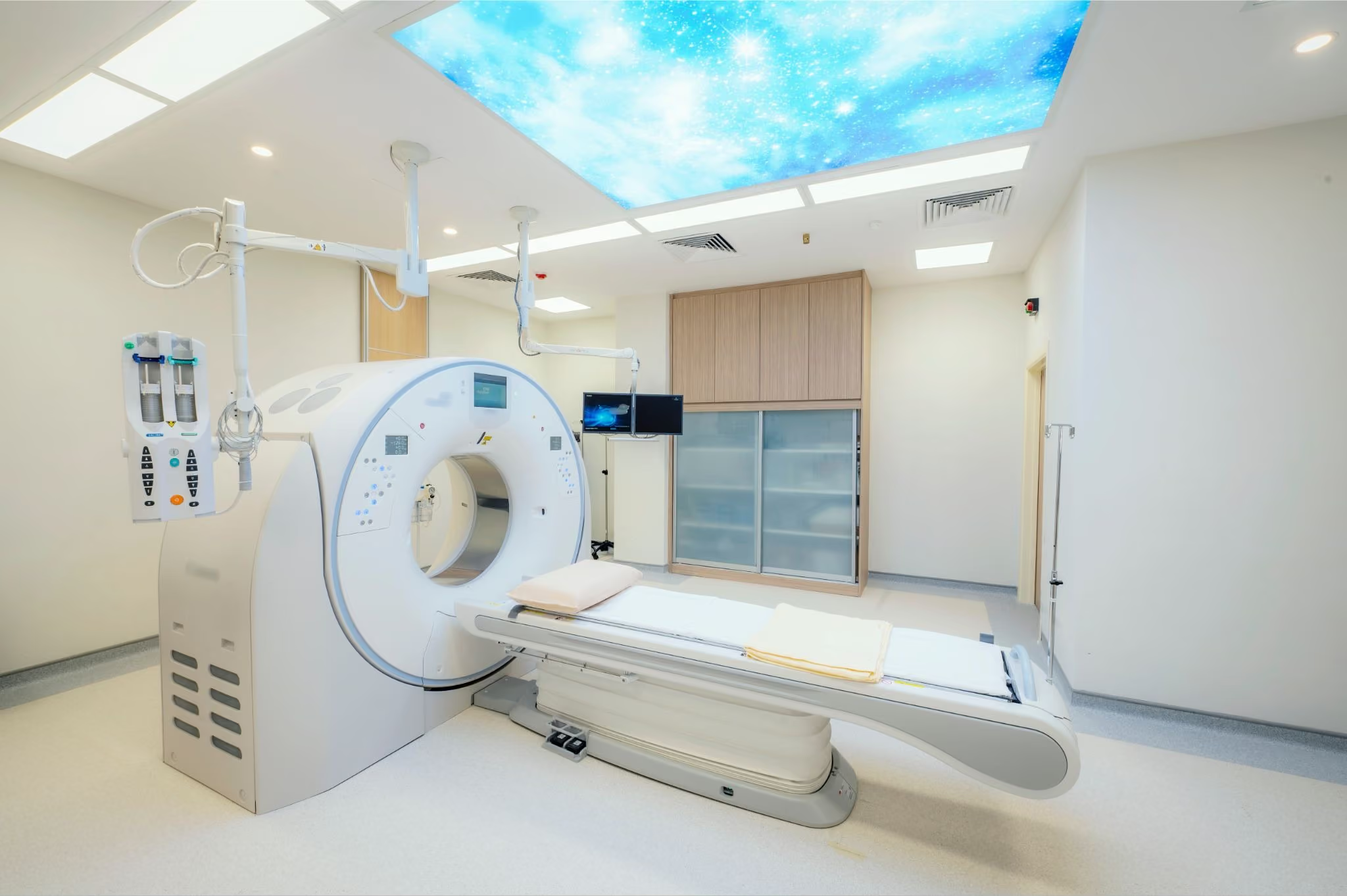
Clinical and neurological assessment is combined with urgent brain imaging. CT and MRI can help identify bleeding, brain injury and other abnormalities, while vascular imaging can provide information about blocked or abnormal blood vessels.
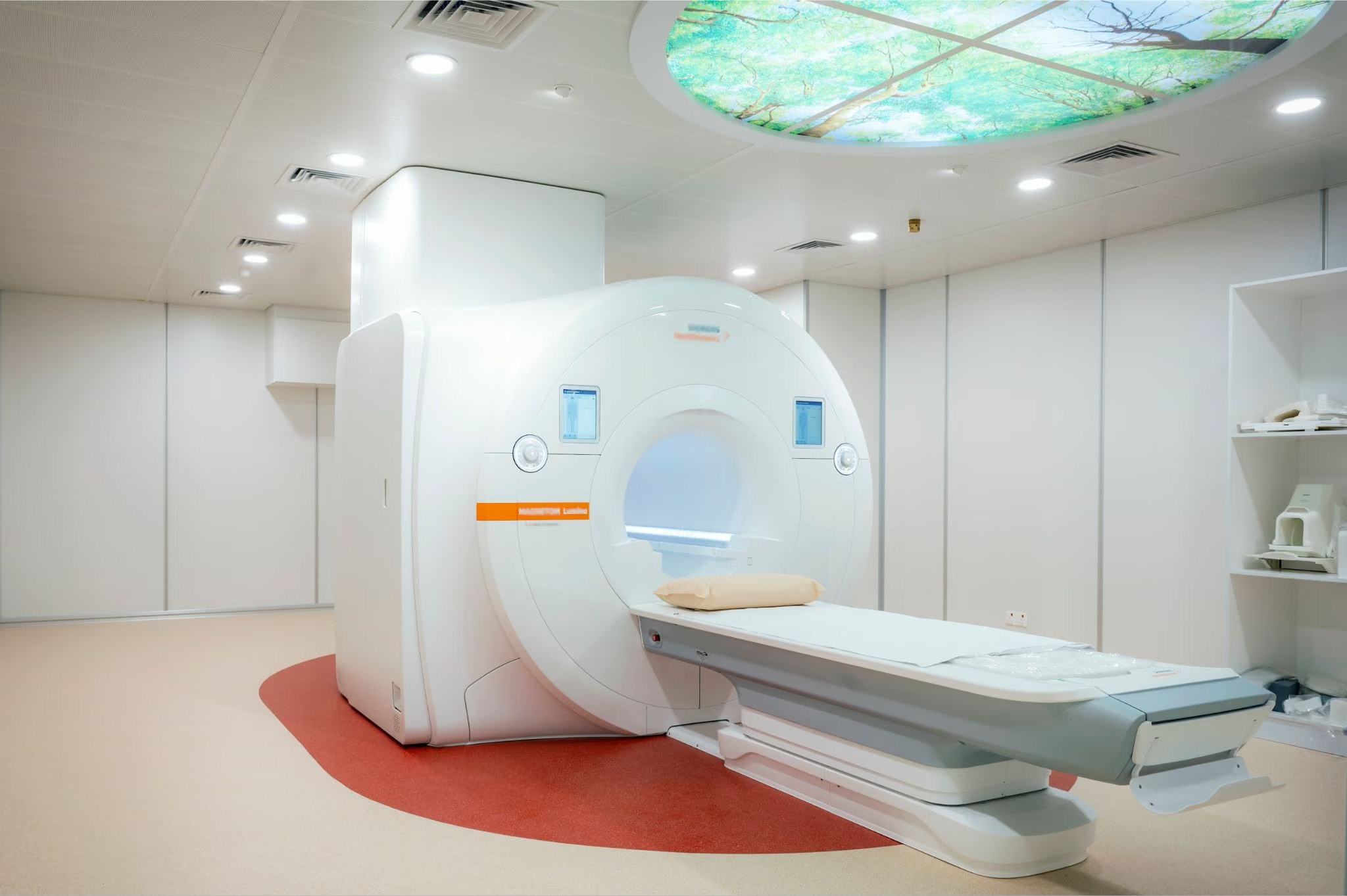
SMCP's diagnostic capabilities include 24-hour CT, MRI and MRA brain imaging and cerebral angiography. Its Hybrid Catheterisation Laboratory is designed to support both diagnosis and endovascular treatment, allowing selected patients to move from diagnosis to intervention within the same specialised environment.
This integration is particularly important in patients who may require mechanical thrombectomy, where a catheter-based procedure is used to remove a blood clot from a blocked blood vessel.
Door-to-Needle: Turning Speed into Clinical Action
For eligible patients with ischaemic stroke, intravenous thrombolysis may be used to dissolve a blood clot and restore blood flow. The benefit of treatment is highly time-dependent, making rapid door-to-needle performance an important component of acute stroke care.
For selected patients with certain large-vessel blockages, mechanical thrombectomy may provide another treatment option. Using a catheter-based approach, an interventional specialist can navigate to the blocked vessel and remove the clot, with the aim of restoring blood flow to the affected area of the brain.
For ischemic stroke, the decision to provide thrombolysis, thrombectomy or supportive treatment depends on the time of symptom onset, the location of any vessel blockage, patient’s medical history and other clinical factors.
As for haemorrhagic stroke, treatment follows a different pathway. The priority is to control bleeding, manage complications and address the underlying cause. Depending on the type, location and severity of the haemorrhage, treatment may include medical management, procedures to control bleeding or neurosurgical intervention.
A Comprehensive Team Behind Every Decision
Fast stroke care requires more than a single specialist. It depends on multiple disciplines working together.
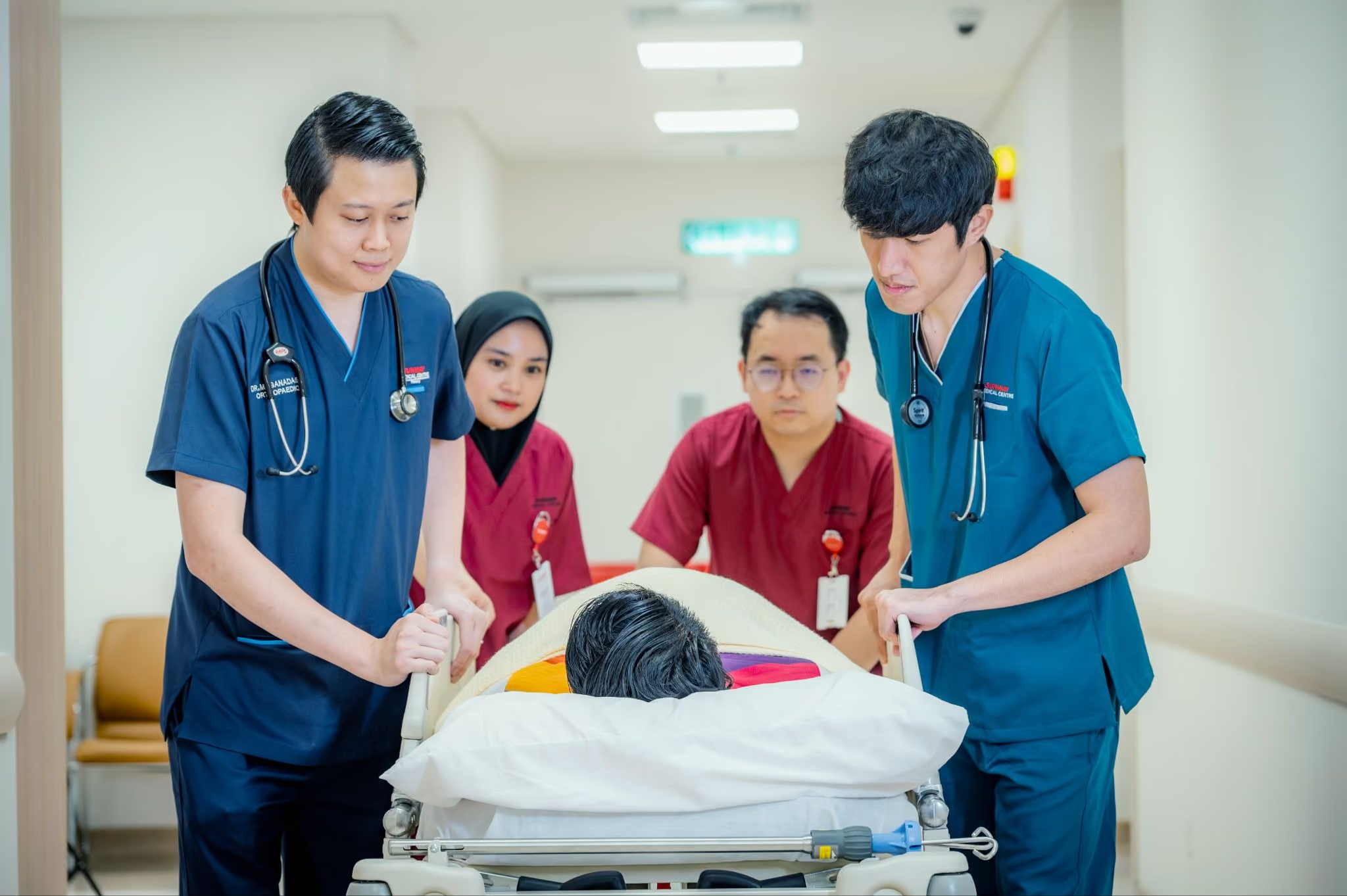
At SMCP, neurologists, emergency physicians, interventional radiologists, neurosurgeons and rehabilitation specialists are supported by nursing and allied health teams throughout the patient's care journey. This multidisciplinary model allows clinical decisions to be made according to the individual patient's condition rather than following a one-size-fits-all approach.
Advanced technology is equally important, but it is only one part of the equation. At SMCP, we are equipped with two advanced MRI machines and two CT scanners, providing rapid access to critical diagnostic imaging. This enables earlier and more accurate diagnosis, supports timely clinical decision-making, and ultimately helps shorten treatment delays and improve patient outcomes. Imaging must be interpreted accurately, treatment options assessed rapidly and the appropriate specialist mobilised at the right time.
Beyond the Emergency: Recovery Starts Early
Stroke care does not end once the clot has been dissolved, removed or bleeding has been controlled.
Depending on the area and extent of brain injury, patients may experience difficulties with movement, speech, swallowing, balance, cognition or everyday activities. Rehabilitation is therefore an integral part of comprehensive stroke care.
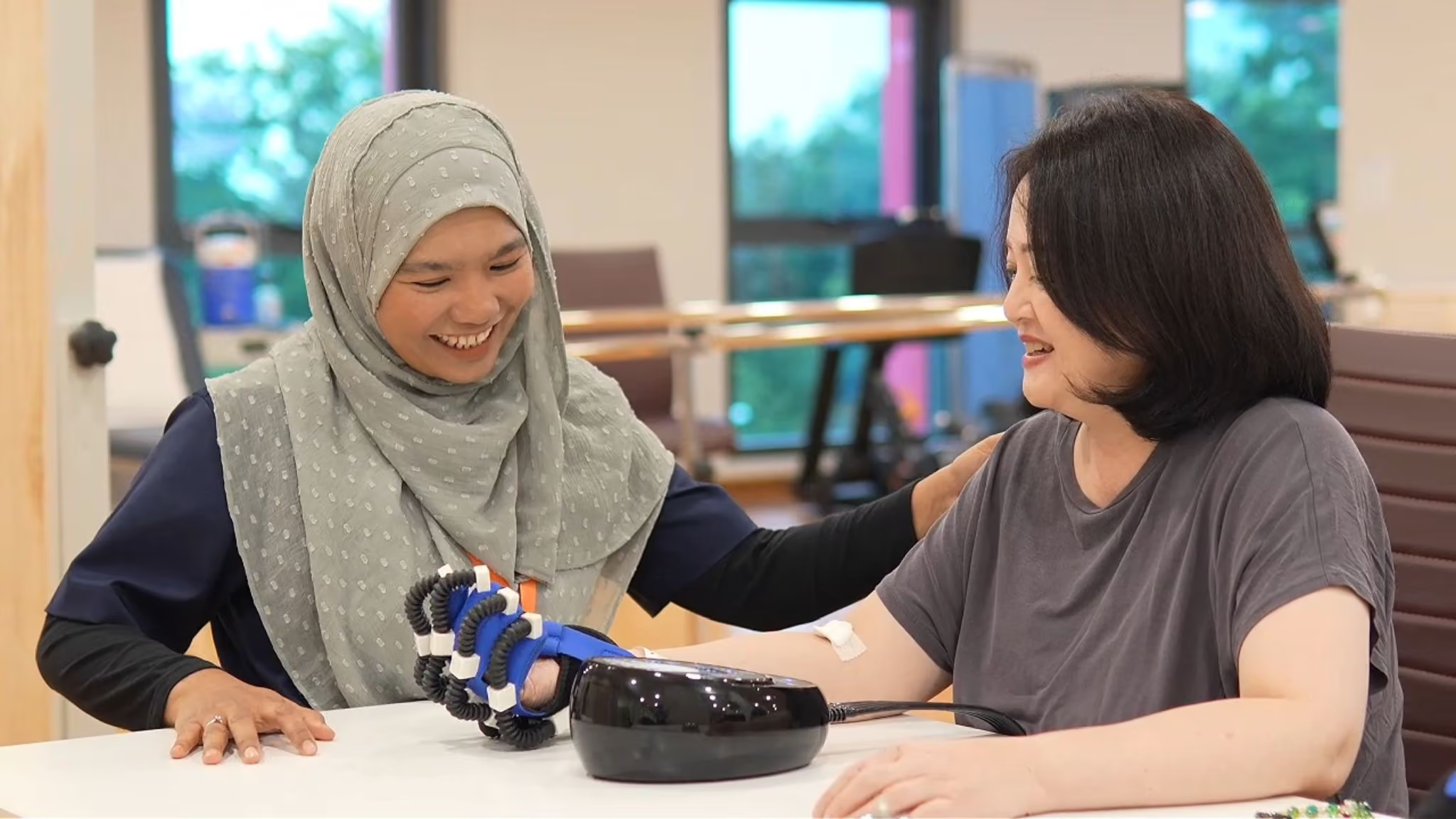
At SMCP, rehabilitation may include physiotherapy, occupational therapy, and speech and language therapy. These services are tailored according to the patient's neurological condition, functional abilities and recovery goals.
Early rehabilitation and continued follow-up can support patients as they work towards regaining function, independence and quality of life.
Preventing the Next Stroke
Comprehensive stroke care also extends beyond the first event. Once the patient is stabilised, the focus shifts to secondary stroke prevention and management of underlying risk factors to reduce the risk of recurrence and support better long-term outcomes.
This involves identifying and addressing key modifiable risk factors such as high blood pressure, diabetes, high cholesterol, smoking, physical inactivity and obesity, as well as underlying cardiovascular conditions such as atrial fibrillation, all of which can significantly increase the risk of recurrent stroke. Depending on the underlying cause, secondary prevention may involve appropriate medication, management of existing medical conditions, targeted lifestyle modifications and regular medical follow-up.
Clinical Excellence When It Matters Most
Stroke is one of the clearest examples of why healthcare is not simply about having advanced equipment or individual clinical expertise. It is about how effectively an entire system responds when a patient needs urgent care.
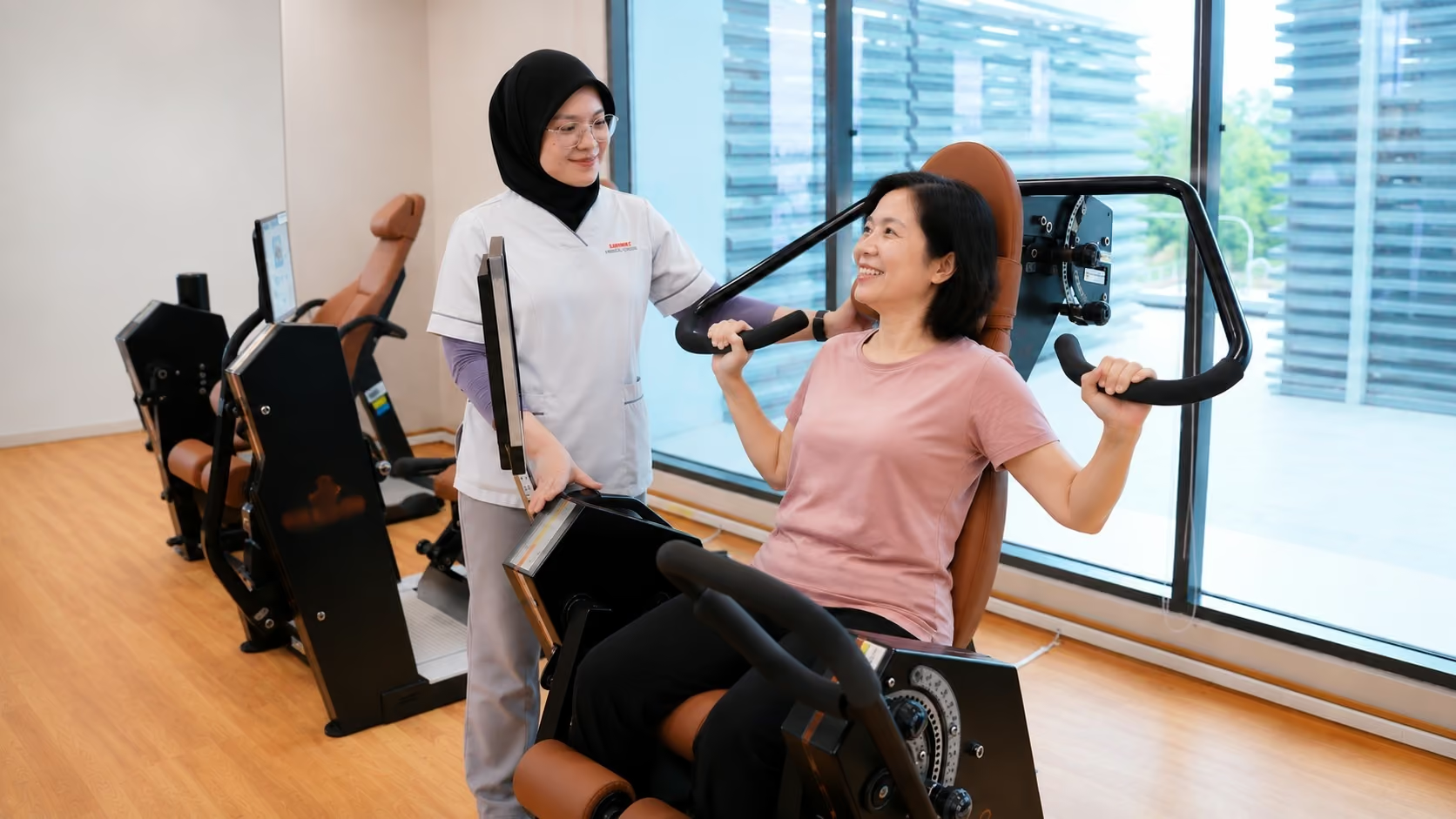
At Sunway Medical Centre Penang, 24-hour emergency response, advanced neuroimaging, interventional capabilities, a multidisciplinary stroke team and structured rehabilitation are brought together as part of a comprehensive stroke care pathway.
From recognising the first warning sign to rapid assessment, door-to-needle treatment where appropriate, mechanical thrombectomy or neurosurgical management, and rehabilitation beyond the acute phase, every stage has a role to play.
Because in stroke care, the most important question is not only what treatment is available, but how quickly the right treatment can reach the right patient.
Recognise the signs. Act immediately. Every minute matters.