Stay informed with our newsletter.
.webp)


EN





In 2026, the food and beverage industry is being reshaped by rapid innovation, evolving consumer preferences, and significant market shifts. From functional foods and health-focused beverages to sustainability, affordability, and technology-driven production, brands are adapting to changing demands. Industry news highlights the rise of cleaner labels, global flavors, and smarter supply chains, making 2026 a pivotal year for transformation and competitive growth across the global food and beverage landscape.
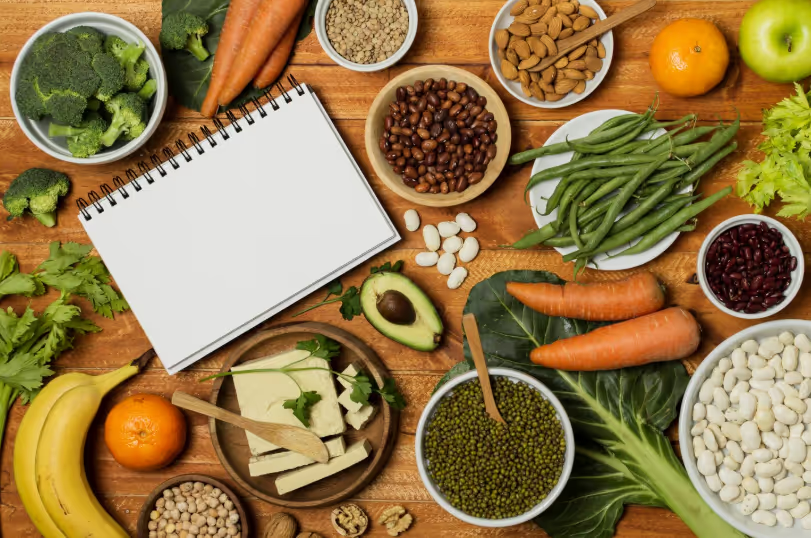
The newest U.S. dietary guidelines strongly recommend more protein and less added sugar, with a major push towards whole foods and reduced processed foods, signaling a shift in eating habits and potentially reshaping product portfolios across the food & beverage industry.
Experts identify top food trends for 2026 driven by consumer preferences for value, health, and nostalgia. Expect rising demand for fiber-rich foods, creative vegetable uses like cabbage, global flavors, retro favorites, and alternatives like low- or zero-alcohol beverages.
Trader Joe’s launches seven new products under $7, including prebiotic sodas, gluten-free oat bites, pistachio spreads, and hearty porridges, reflecting ongoing trends towards gut health, affordability, and creative snacking.
Industry watchers highlight the most talked-about developments from Vietnam’s regulatory updates to 2025 trend recaps, underscoring the F&B world’s dynamic evolution and adaptation.
Functional foods and beverages that support gut health, cognitive wellness, hydration, and stress relief are taking center stage as consumers increasingly prioritize holistic wellbeing.
Products with meaningful claims, prebiotic drinks, collagen coffees, low-sugar options, and hydration-focused formats are dominating new launches and redefining what beverages can deliver.
Flavors are evolving beyond simple taste profiles. Botanical notes, sweet-savory mashups (like honey-sriracha and mango-chilli), and mood-enhancing ingredients are creating richer sensory experiences.
AI is increasingly embedded in food retail systems, from supply chain optimisations and waste reduction to personalised recommendations and predictive inventory management.
With economic pressures rising, consumers are leaning toward value-driven eats, comfort foods, budget-friendly options, and convenient meal solutions that don’t compromise on flavor or quality.
The industry is in a transitionary phase, where health consciousness, technological transformation, and cultural nostalgia are intersecting to redefine how people eat, drink, and buy. Functional ingredients, smarter beverages, and adaptable retail strategies will set the pace for growth and innovation. As consumers demand both value and experience, brands that respond with agility and purpose are poised to win.
For questions or comments write to contactus@bostonbrandmedia.com



-v3.jpg)


-v3-02.jpg)