Stay informed with our newsletter.
.webp)


EN





Protein has become one of the biggest nutrition trends, appearing in everything from yogurt and snacks to coffee and desserts. But consuming more is not always better. Understanding individual protein needs, spreading intake throughout the day, choosing nutrient-rich whole foods, checking nutrition labels and combining protein with regular exercise can help consumers benefit from the trend. As protein products multiply, quality, balance and overall diet remain more important than simply chasing higher protein numbers.
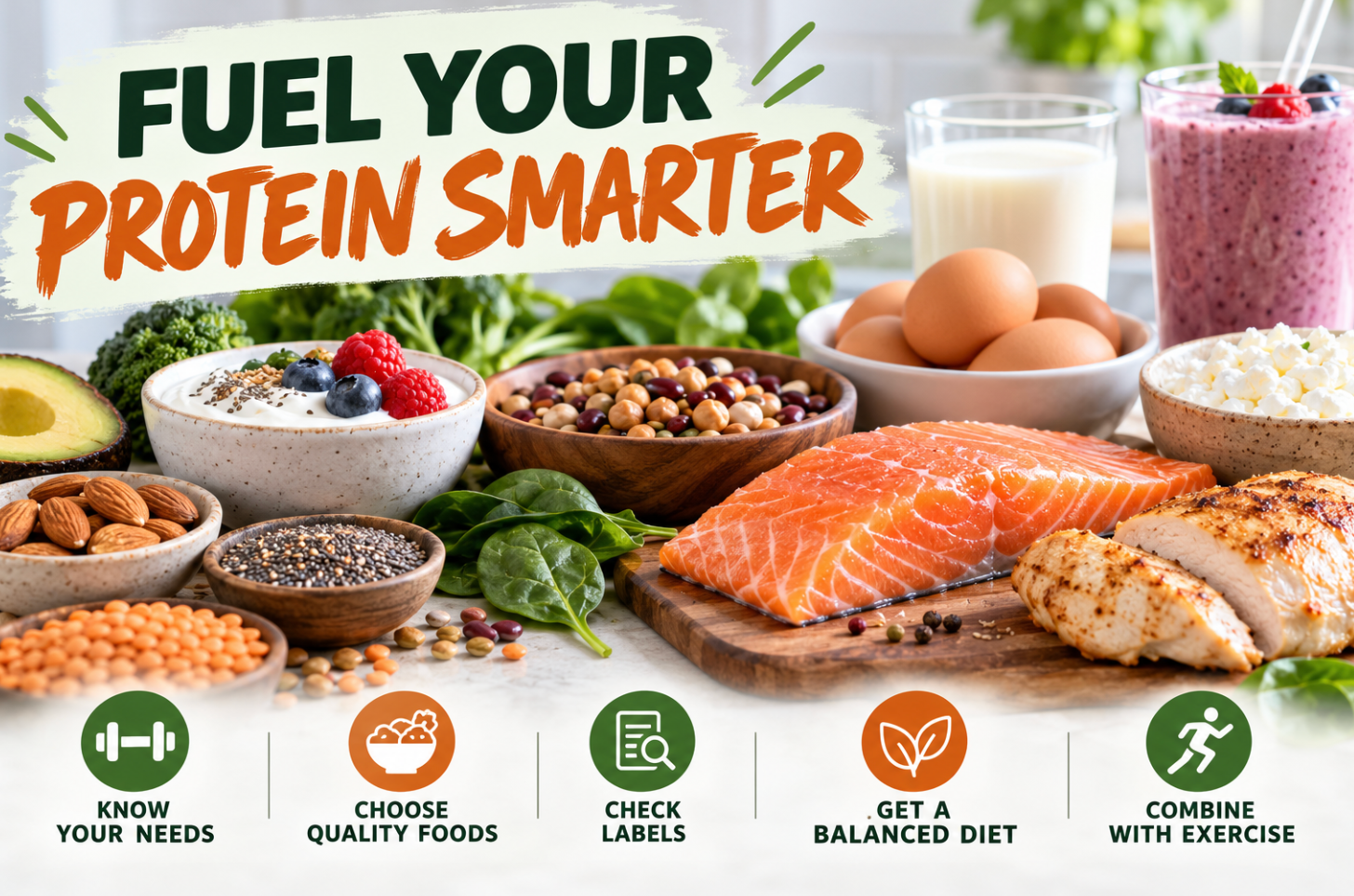
Protein has moved far beyond the bodybuilding aisle. Once associated mainly with gym shakes, chicken breasts and sports nutrition, protein has become one of the biggest forces shaping the modern food industry. Supermarket shelves now feature protein-enhanced yogurt, cereal, coffee, pasta, bread, snack bars, ice cream and even water, while social media is filled with cottage-cheese recipes and high-protein meal hacks.
The enthusiasm is backed by a noticeable change in consumer behavior. According to the International Food Information Council's 2025 Food & Health Survey, 71% of Americans said they were trying to consume protein, up from 67% in 2023 and 59% in 2022. About 35% said they had increased their protein intake during the previous year. Yet there is also considerable confusion: 79% of consumers said they were unsure or unaware of how much protein they actually need each day.
The boom is still accelerating. In September 2026, Reuters reported that consumers were increasingly searching for snacks based on characteristics such as protein and fiber content, with health-oriented eating and changing weight-management habits influencing a U.S. snack market worth roughly $198.2 billion.
So how can consumers take advantage of the protein trend without becoming overwhelmed by marketing claims?
The first rule is simple: more protein is not automatically better.
The U.S. Recommended Dietary Allowance commonly used for healthy adults is approximately 0.8 grams of protein per kilogram of body weight per day. A person weighing 70 kilograms, or about 154 pounds, would therefore have a baseline requirement of roughly 56 grams.
The FDA's Nutrition Facts system lists a Daily Value of 50 grams of protein based on a 2,000-calorie diet, although individual requirements vary considerably according to body size, age, activity and health status.
People who regularly strength train may benefit from higher amounts. A major meta-analysis examining protein supplementation and resistance exercise found that gains in fat-free mass tended to level off once total protein intake reached around 1.6 grams per kilogram per day, suggesting that extremely high intakes are unlikely to keep producing proportional muscle gains.
In other words, instead of chasing the largest protein number on every package, consumers should think about their total daily intake and personal needs.
One reason people struggle to meet protein goals is that they consume very little at breakfast and lunch before eating most of their protein at dinner.
A more practical strategy is to include a meaningful protein source at every meal.
Breakfast could combine eggs with whole-grain toast, Greek yogurt with fruit and nuts, or oatmeal with milk and seeds. Lunch might contain lentils, beans, tofu, fish, chicken or cottage cheese, while dinner can build around seafood, poultry, lean meat, soy foods or legumes.
This approach becomes particularly important with age. Research and expert recommendations commonly suggest that healthy adults over 65 may benefit from around 1.0 to 1.2 grams of protein per kilogram of body weight per day, particularly when protein intake is combined with physical activity. Some research also suggests distributing roughly 25 - 30 grams per meal may help support muscle protein synthesis in older adults.
Protein has acquired something of a health halo.
A cookie containing added protein is still a cookie. A high-protein dessert can still contain significant quantities of saturated fat, sodium, added sugars or calories.
That makes the Nutrition Facts panel more important than the marketing on the front of the package.
The FDA recommends considering nutrients in context, including dietary fiber, saturated fat, sodium and added sugars. As a general labeling guide, 5% of the Daily Value or less is considered low, while 20% or more is considered high for a nutrient.
Before buying a protein snack, therefore, compare the protein grams with the overall ingredient list. A product containing 20 grams of protein may look impressive, but another option containing slightly less protein alongside fiber, whole grains, nuts or fruit may offer a more balanced nutritional package.
Protein powders and bars are convenient, particularly for people with demanding schedules, athletes or those struggling to meet nutritional needs. But supplements do not have to become the foundation of a high-protein diet.
Many everyday foods already provide substantial protein.
Eggs, Greek yogurt, cottage cheese, milk, fish, poultry and lean meat are familiar options. Plant-based choices include lentils, chickpeas, beans, tofu, tempeh, edamame, soy milk, nuts and seeds.
Combining different foods can also make protein-rich eating more interesting. Lentils can be added to soups, Greek yogurt can replace some creamy sauces, tofu can be incorporated into stir-fries, and beans can bulk out salads, wraps and pasta dishes.
The goal should be protein plus nutrition, rather than protein at the expense of everything else.
Not every protein source has exactly the same amino-acid composition, although a varied diet can generally supply the essential amino acids the body requires.
Consumer interest in quality is also growing. IFIC research published in 2026 found that Americans increasingly consider factors such as protein source, protein quantity and contribution to daily needs when examining food labels. However, price and taste remain dominant influences on food purchasing decisions.
For most people, diversity is a sensible strategy: mix animal and plant proteins where appropriate rather than depending excessively on a single source.
One positive result of protein's popularity is innovation.
Cottage cheese and skyr, for example, have found a new generation of consumers through social media. In October 2026, dairy cooperative Arla announced investments of more than €63 million to increase production of protein-rich products including skyr and cottage cheese. Its skyr sales volumes in major European markets had increased by roughly one-third in three years, while cottage-cheese sales had risen approximately 25%.
The trend demonstrates that protein demand is not simply about powders and supplements. Consumers are rediscovering traditional foods and using them in completely new ways.
Protein is essential for maintaining and repairing body tissues, but eating large quantities cannot replace movement.
For muscle development, resistance exercise provides the stimulus and protein supplies the building material. Research consistently shows that protein and resistance training work more effectively together than either strategy alone.
This matters especially as populations age and maintaining muscle strength becomes increasingly important for mobility, independence and healthy aging.
The smartest response to the protein boom is not to turn every meal into a mathematical exercise.
Protein is important, but so are fiber, healthy fats, carbohydrates, vitamins, minerals and adequate overall energy intake. Vegetables, fruit, whole grains and other nutrient-rich foods should not disappear simply to make room for another protein bar.
And individual requirements can differ substantially. People with certain medical conditions, particularly kidney-related conditions, should discuss significantly higher protein diets with a qualified healthcare professional.
Ultimately, the protein boom offers consumers more choice than ever before. The key is learning to separate useful innovation from clever marketing.
Know your approximate needs, distribute protein throughout the day, prioritize nutrient-rich foods, read the entire nutrition label and pair adequate protein with regular physical activity.
Protein may be one of today's biggest nutritional trends, but the healthiest approach is surprisingly traditional: choose varied foods, eat according to your needs and focus on the quality of the entire diet, not simply the biggest number printed next to the word "protein."
For questions or comments write to contactus@bostonbrandmedia.com



-v3.jpg)


-v3-02.jpg)