Stay informed with our newsletter.


EN





Dubai's real estate market is entering a more measured phase after several years of exceptional growth. While residential prices and rental rates have begun to stabilize, the emirate continues to attract international investors, institutional capital and high-net-worth buyers. Rising housing supply, changing buyer preferences and evolving investment strategies are reshaping the market. As Dubai strengthens its position as a global business and lifestyle destination, the next chapter of its property sector will increasingly depend on quality, location, sustainability and long-term investment value.
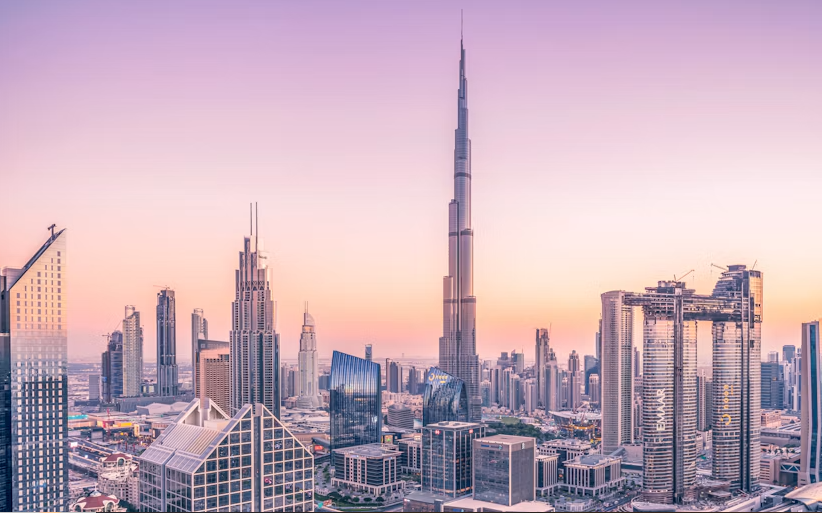
DUBAI, UAE — Dubai's real estate market is approaching a defining moment as the emirate moves beyond one of the most significant periods of property expansion in its history. After several years of accelerating prices, record-breaking transactions and substantial international investment, the market is beginning to demonstrate signs of moderation, creating a more selective environment for developers, investors and prospective property buyers.
The changing market dynamics do not necessarily represent a reversal of Dubai's long-term real estate ambitions. Rather, they reflect an evolving investment landscape in which residential supply, rental performance, financing conditions and buyer expectations are becoming increasingly influential. As more residential developments enter the market and investors reassess their purchasing strategies, the emphasis is gradually shifting from rapid capital appreciation toward asset quality, sustainable rental income and long-term value creation.
The scale of Dubai's property expansion over recent years provides important context for this transition. According to the Dubai Land Department's 2025 annual review, the emirate recorded 270,328 real estate transactions, representing a 20% increase compared with the previous year. The total transaction value reached AED 917 billion, also registering annual growth of 20%. The number of unique investors increased to 193,100, demonstrating the breadth of participation from domestic buyers, international investors and high-net-worth individuals.
These figures reinforced Dubai's position as one of the world's most closely watched property investment destinations. However, the latest third-quarter 2026 assessments from real estate consultancies indicate that the market is entering a more measured phase. Cushman & Wakefield Core reported average residential sale prices of approximately AED 1,847 per square foot during the third quarter, broadly stable compared with the previous quarter but around 1% lower year over year. Average residential rents also declined approximately 7% annually, suggesting that tenants are gaining greater negotiating flexibility as additional housing options become available.
One of the most important factors shaping the market's next phase is the growing volume of residential supply. Dubai has maintained an extensive development pipeline to accommodate population growth, international migration and increasing demand for housing across different price categories. While this expansion has supported the construction industry and created opportunities for developers, it is also introducing greater competition between projects. According to Cushman & Wakefield Core, approximately 12,900 residential units were delivered during the third quarter of 2026, bringing total completions during the first nine months of the year to approximately 40,400 units. A further 10,500 units were expected during the final quarter, taking projected full-year deliveries to approximately 50,900 homes.
The consultancy also identified approximately 60,000 units scheduled for completion in 2027, although construction capacity, contractor availability and supply-chain constraints could influence the actual delivery schedule. For developers, the expanding pipeline creates a more competitive environment in which project positioning, pricing and construction quality will become increasingly important. For buyers, however, additional supply could create opportunities to negotiate more favourable terms, particularly in communities where several developments offer comparable residential options.
The impact of new supply is unlikely to be uniform across Dubai. Established residential communities with developed infrastructure, convenient transport connections, schools, retail facilities and established lifestyle amenities may continue to attract stronger buyer interest than locations where residents remain dependent on future infrastructure development. Investors are therefore expected to pay closer attention to the fundamentals of individual developments rather than relying solely on broader market appreciation.
Despite the moderation in certain residential segments, Dubai continues to benefit from several structural advantages that support its international investment appeal. Its strategic location connecting Europe, Asia and Africa, established financial infrastructure, international business environment and extensive global connectivity have helped position the emirate as a destination for entrepreneurs, executives, multinational companies and wealthy individuals. The city's growing population and expanding business ecosystem also contribute to demand across residential, commercial and hospitality-related property segments.
For international investors, however, the investment conversation is changing. Rather than focusing exclusively on anticipated price appreciation, buyers are increasingly evaluating rental yields, property management expenses, service charges, developer credibility and long-term resale prospects. Due diligence is becoming particularly important in the off-plan market, where investors need to understand project delivery schedules, escrow arrangements, payment structures and the developer's track record before committing capital. These considerations are likely to become more influential as buyers gain access to a wider selection of developments.
Dubai's luxury residential segment remains an important part of the emirate's international property profile. Waterfront residences, premium villas, branded apartments and exclusive residential communities continue to attract interest from high-net-worth individuals seeking a combination of lifestyle, privacy and investment potential. Established destinations such as Palm Jumeirah, Downtown Dubai, Dubai Hills Estate and Emirates Hills remain prominent within the city's luxury property landscape. However, even the premium segment is experiencing a shift in buyer expectations. Architectural quality, exclusivity, amenities, location and the reputation of developers are increasingly important considerations, particularly as competition between luxury projects intensifies.
Branded residences are also contributing to the evolution of Dubai's high-end property market. Partnerships between international hospitality companies and property developers are introducing residential developments that combine private ownership with hotel-style services, concierge facilities and lifestyle amenities. These projects are designed to appeal to buyers seeking more than conventional residential accommodation. Nevertheless, developers face growing pressure to demonstrate genuine differentiation, as premium positioning and international branding alone may not be sufficient to justify higher prices in an increasingly competitive market.
Beyond residential property, Dubai's commercial real estate sector continues to demonstrate a different set of market dynamics. Demand for high-quality office accommodation remains supported by the presence of multinational corporations, financial institutions, technology businesses and professional services companies. CBRE's third-quarter 2026 UAE market review reported office occupancy in Dubai at approximately 95%, reflecting continued demand for established commercial locations and premium office space.
Business districts such as the Dubai International Financial Centre and surrounding commercial hubs continue to benefit from corporate activity and the city's position as a regional business centre. Limited availability of premium office accommodation has supported rental performance, while companies seeking suitable premises are increasingly considering alternative commercial locations and flexible workspace arrangements. For institutional investors, high-quality office assets with established tenants and strong locations may therefore offer opportunities that differ considerably from those available in the residential development market.
Technology and sustainability are also becoming important considerations in Dubai's real estate development strategy. Energy-efficient buildings, smart-home infrastructure, water conservation systems and environmentally responsible construction practices are increasingly relevant to property developers and prospective buyers. As operational costs and environmental performance receive greater attention, buildings that incorporate efficient energy systems and modern property management technologies may gain a competitive advantage.
The expansion of artificial intelligence, cloud computing and digital services is also creating new investment opportunities within specialised commercial real estate. Data centres and digital infrastructure facilities require substantial technical capacity, reliable power infrastructure and specialised development expertise. As demand for digital services increases, these assets could become an increasingly important component of the region's broader property investment landscape, helping diversify the market beyond traditional residential and office developments.
Looking ahead, Dubai's real estate performance in 2027 will depend on several interconnected factors, including population growth, economic conditions, borrowing costs, construction activity and the market's ability to absorb new housing supply. Residential prices and rental rates could face further adjustments in communities where new inventory enters the market faster than demand develops. At the same time, established neighbourhoods, well-positioned developments and high-quality commercial properties may demonstrate comparatively stronger fundamentals.
The timing and concentration of project completions will be particularly important. If a substantial volume of new residential units enters the market within a relatively short period, landlords and developers may face increased competition to attract tenants and buyers. Conversely, construction delays could distribute new supply over a longer period, allowing demand to absorb inventory more gradually. For investors, understanding these differences will be essential when evaluating individual developments and making long-term purchasing decisions.
Dubai's property sector is therefore entering a more demanding chapter, one in which investment decisions are likely to require greater discipline and a deeper understanding of market fundamentals. The emirate continues to offer an internationally connected business environment, a diversified economy and a globally recognised residential and commercial property landscape. However, the next phase of growth may be determined less by the speed of new development and more by the quality, sustainability and long-term competitiveness of the assets being delivered.
For international investors, developers and property buyers, Dubai remains a market worth watching closely. The changing conditions present challenges for those relying on rapid appreciation, but they may also create opportunities for buyers seeking quality assets at more considered valuations. Ultimately, the market's long-term success will depend on its ability to balance continued development with sustainable demand, infrastructure investment and responsible market expansion.
The defining question for Dubai real estate is no longer simply how quickly property values can rise. It is which developments, locations and investment strategies can deliver lasting value in an increasingly competitive global market. That distinction could shape the emirate's property sector for years to come.
For questions or comments write to contactus@bostonbrandmedia.com