Stay informed with our newsletter.
.webp)


EN





Rising jet fuel prices are putting fresh pressure on airlines worldwide, squeezing already-thin profit margins and increasing the risk of higher fares. Carriers including IndiGo and Lufthansa are facing sharply higher fuel costs, while geopolitical tensions, refinery constraints and longer flight routes add further strain. With airlines expected to earn just $4.50 per passenger in 2026, sustained fuel prices could lead to higher surcharges, fewer low-cost fares and reduced flight capacity.
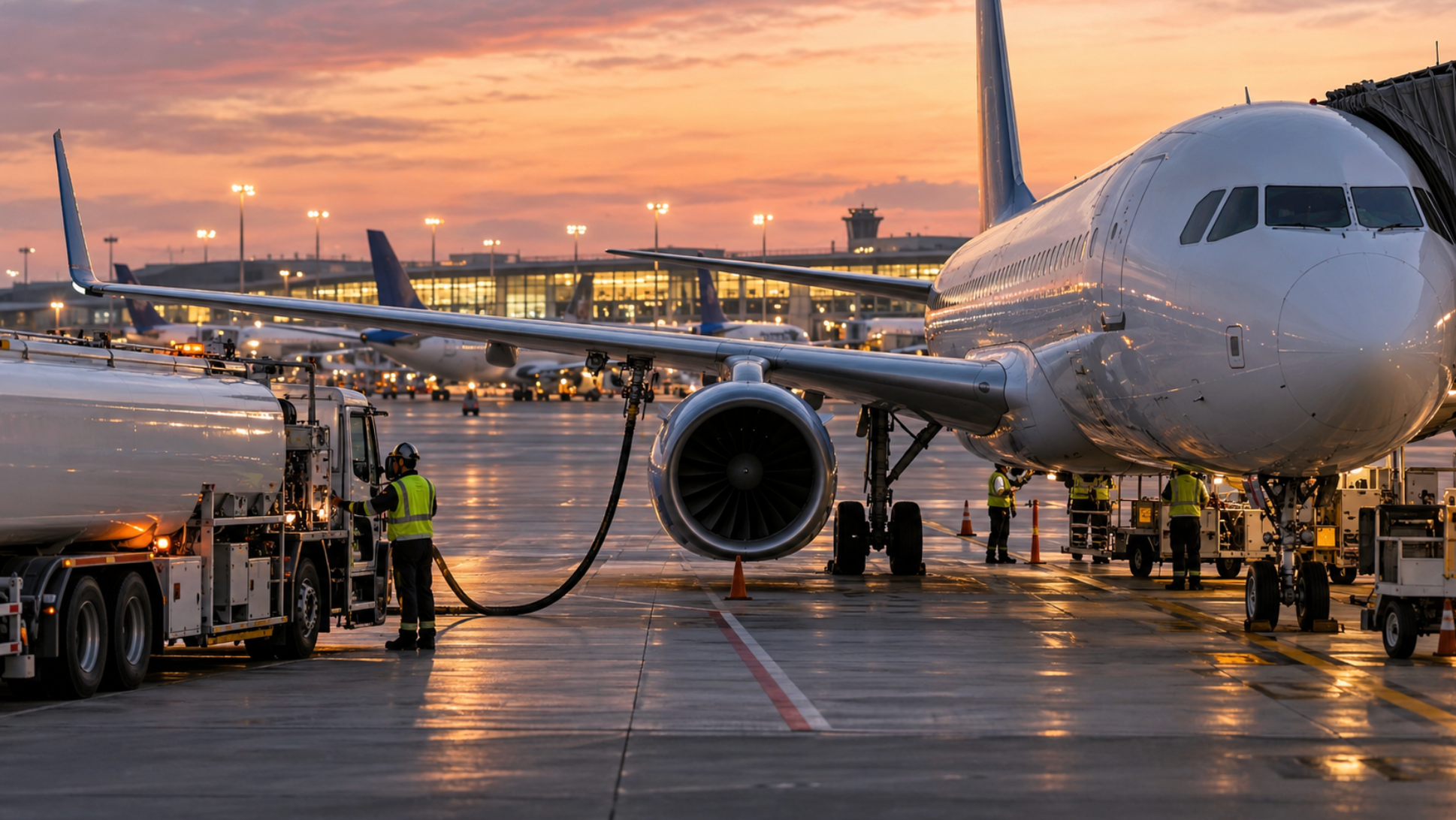
For travelers hoping that the post-pandemic era of expensive flying was beginning to ease, another powerful cost pressure is emerging. Jet fuel prices have surged again, squeezing airline margins and increasing the likelihood that passengers will ultimately absorb at least part of the increase through higher fares, fuel surcharges and reduced availability of cheaper seats.
The International Air Transport Association's latest Jet Fuel Price Monitor puts the global average jet fuel price at $187.34 per barrel, after another 1% weekly increase. That level illustrates just how dramatically the economics of flying have changed as geopolitical conflict, refinery constraints and disruptions to global energy transportation continue to ripple through aviation.
Fuel is not simply another airline expense. For many carriers, it can represent 30% to 40% of total operating costs, meaning even modest movements in oil and jet fuel prices can have an enormous effect on profitability. When fuel prices remain elevated for months rather than weeks, airlines eventually face a difficult choice: absorb the costs, reduce capacity or ask passengers to pay more.
One of the clearest signs that higher fuel costs are reaching travelers came from IndiGo, India's largest airline, which announced that it would increase fuel charges on domestic and international flights from October 6.
IndiGo said global aviation turbine fuel prices had risen 14% month-on-month in October. On domestic routes, its fuel charges are rising to between ₹375 and ₹1,300, compared with ₹275 to ₹950 previously. International fuel charges will range from ₹1,000 to ₹10,000, depending on distance.
While one airline's surcharge does not automatically mean ticket prices everywhere will rise by the same amount, the move reflects a challenge affecting carriers across continents.
The aviation business operates on remarkably thin margins. Airlines may generate billions of dollars in revenue while earning only a few dollars of profit from each traveler. That leaves relatively little room to absorb a prolonged energy shock.
The scale of the problem became clear in June, when IATA dramatically revised its outlook for the global airline industry.
Airlines are now expected to earn a combined $23 billion net profit in 2026, roughly half the organization's previous forecast of $41 billion and almost half the estimated $45 billion earned in 2025.
The industry's expected net profit margin has fallen from an estimated 4.2% in 2025 to just 2.0% in 2026. Even more strikingly, the average net profit generated per passenger is forecast at only $4.50, compared with $9.10 last year.
Those figures help explain why fuel-price shocks can translate into higher ticket prices so quickly.
IATA estimates airlines will carry around 5.1 billion passengers in 2026, while total industry revenue could reach $1.165 trillion. Yet despite that extraordinary scale, profitability remains fragile. IATA said the rapid rise in jet fuel prices had contributed heavily to deteriorating financial performance.
The broader energy market is offering little comfort.
On October 6, Brent crude was trading at about $100.59 per barrel, while U.S. West Texas Intermediate stood near $89.73. Persistent tensions around the Gulf and attacks affecting shipping routes have kept energy markets nervous even as crude exports from parts of the Middle East have recovered.
The problem is increasingly about more than simply whether enough crude oil exists.
Refining capacity, tanker availability, insurance expenses and transportation bottlenecks have become major factors influencing the final cost of refined fuels. Gulf refined-fuel exports, including products such as jet fuel, recovered to only around 60% of pre-war levels in September, even as crude exports rebounded much more strongly.
That distinction is critical. Airlines cannot put crude oil directly into aircraft. They need highly refined aviation turbine fuel produced and distributed through a specialized global supply chain.
When refining capacity becomes constrained, jet fuel can rise much faster than crude oil itself.
European airlines are also feeling the strain.
Lufthansa Chief Executive Carsten Spohr said in late September that the group's additional 2026 jet fuel burden would exceed the €1.5 billion previously expected. Lufthansa had forecast total fuel costs of approximately €8.66 billion for the year.
Lufthansa is relatively well protected compared with some competitors because it hedges a large share of its future fuel requirements. Its fuel hedge ratio for 2026 was around 86%, meaning much of its fuel had been financially protected against sudden price changes.
But hedging does not eliminate costs indefinitely. It mainly delays or reduces exposure.
Airlines that hedge less or do not hedge at all, can feel price increases much more quickly. IndiGo, for example, said earlier this year that it was considering greater fuel hedging after rising crude prices contributed to pressure on its margins.
The fuel crisis is being compounded by another problem: airspace disruptions.
Conflict in and around the Middle East has forced some airlines to reroute aircraft around restricted or unsafe airspace. Longer flight paths mean aircraft remain airborne longer, consume more fuel and require additional crew time.
Reuters reported earlier this year that some airlines were cutting unprofitable routes as fuel costs and longer detours made certain services economically difficult to operate.
For passengers, that could mean more than higher fares. It could also result in fewer direct flights, reduced frequencies and less competition on certain routes, all of which can indirectly push ticket prices higher.
Passengers may wonder why airlines do not simply accept lower profits rather than increase fares.
To some extent, they already are.
IATA has acknowledged that carriers are absorbing part of the fuel increase themselves. The industry's projected profit margin of only 2% shows how much pressure is already reaching balance sheets.
But airlines have other major expenses that cannot easily be reduced: aircraft leasing and financing, salaries, airport charges, maintenance, insurance, technology and regulatory costs.
Aircraft shortages are adding yet another constraint. IATA reported that the global aircraft backlog reached 18,100 aircraft in May 2026, representing more than half the size of the active commercial fleet. Limited access to new, more fuel-efficient aircraft makes it harder for airlines to quickly reduce fuel consumption.
The result does not necessarily mean every flight will suddenly become dramatically more expensive.
Airfares depend on competition, seasonality, demand, route capacity, fuel hedging and how early passengers book. Airlines are sophisticated revenue managers, changing fares constantly according to demand.
However, sustained fuel prices near current levels make ultra-low fares harder to maintain.
Rather than simply increasing every ticket by the same amount, airlines may introduce fuel surcharges, reduce promotional fares, raise prices on high-demand routes or cut services that are no longer profitable.
Travelers could therefore see the biggest impact during holidays, major events and peak travel periods when airlines already have greater pricing power.
Global aviation has demonstrated extraordinary resilience. Despite geopolitical disruption and financial pressure, airlines are still expected to carry more than five billion passengers in 2026, while aircraft are projected to operate at a record 84% passenger load factor.
Demand for travel clearly remains powerful.
The question is how much of aviation's rising energy bill passengers are prepared to absorb.
If jet fuel remains close to $187 a barrel, airlines cannot indefinitely shield travelers from the consequences. Carriers with strong balance sheets, efficient fleets and effective fuel hedging will be better positioned to withstand the pressure. Others may have little choice but to pass more costs onto customers.
For an industry built around connecting the world at increasingly accessible prices, surging fuel costs are becoming one of aviation's defining challenges of 2026.
The next battle for airlines may therefore not be about convincing people to fly. Demand is already there. It will be about keeping air travel affordable while fuel, geopolitical risk and operating costs move sharply in the opposite direction.
For questions or comments write to contactus@bostonbrandmedia.com



-v3.jpg)


-v3-02.jpg)