Stay informed with our newsletter.
.webp)


EN





Choosing the perfect cruise depends on matching the voyage to your travel style, budget, and interests. From Caribbean beach escapes and culture-rich Mediterranean itineraries to Alaskan scenery, luxury sailings, family-friendly ships, and expedition adventures, today’s cruise options are more diverse than ever. The best voyage is not simply the most popular one, but the one that offers the right balance of destinations, onboard experience, comfort, activities, and value for you.
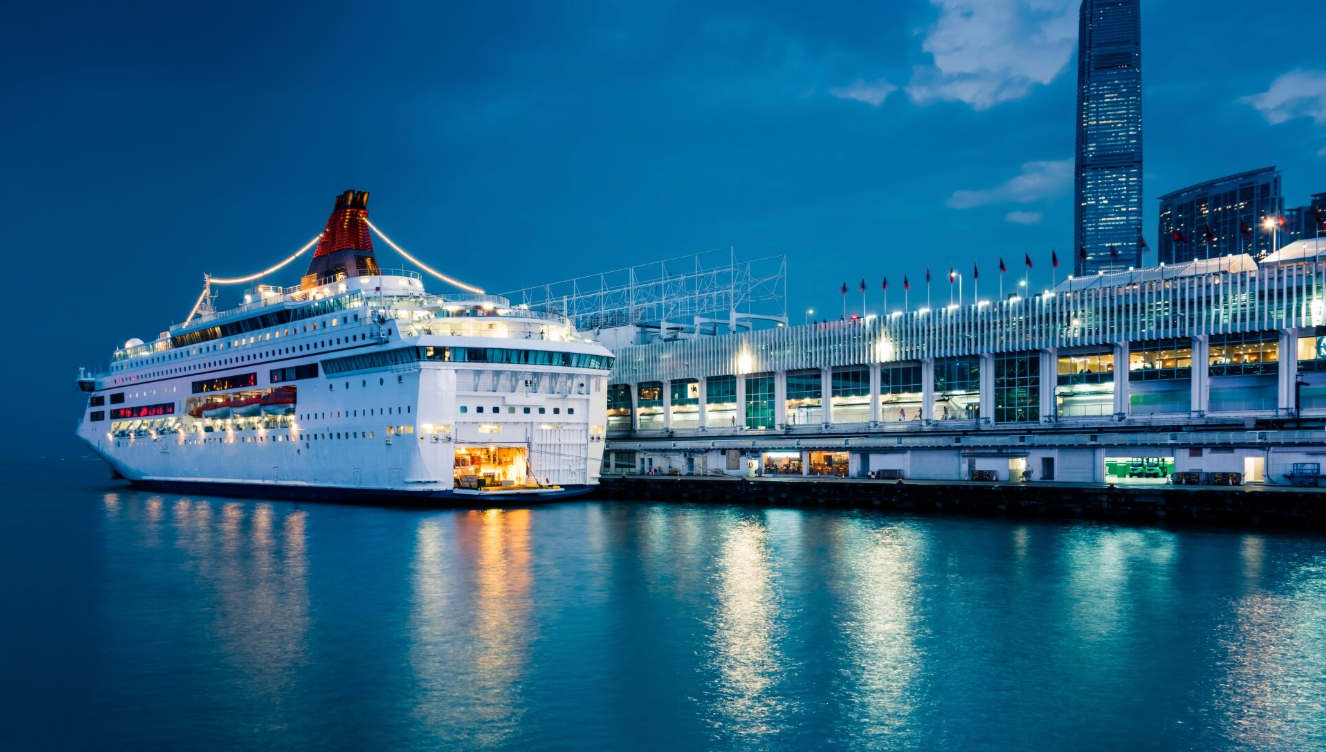
Cruising has evolved far beyond the traditional image of a ship simply carrying holidaymakers between tropical ports. Today’s cruise industry offers everything from floating resorts packed with restaurants, water parks and entertainment to intimate luxury vessels, river cruises and expedition ships designed to reach some of the most remote corners of the planet.
Demand reflects that diversity. According to the Cruise Lines International Association (CLIA), a record 37.2 million people took ocean-going cruises in 2025, up 7.5% from 2024. In 2026, CLIA-member lines collectively operate around 325 ocean-going ships with approximately 690,000 lower berths. Nearly 90% of previous cruisers say they intend to cruise again, demonstrating how firmly cruising has established itself within global tourism.
But with hundreds of ships and thousands of itineraries available, finding the perfect cruise is less about identifying one "best" voyage and more about finding the experience that matches your travel personality, budget and priorities.
One of the biggest mistakes first-time cruisers can make is choosing solely on price or destination.
A cruise ship is not simply transportation. For several days or even weeks, it becomes your hotel, restaurant, entertainment venue and gateway to multiple destinations.
Large resort-style ships can offer theatres, water attractions, multiple pools, speciality restaurants, children's clubs, sports facilities and nightlife. They are particularly attractive to families, groups and travellers who want constant entertainment.
Smaller ships usually provide a very different experience. They may offer fewer large-scale attractions, but they can provide quieter surroundings, more personalised service and access to ports that very large vessels cannot easily visit.
CLIA's 2026 research shows that the global cruise fleet is broadly distributed between small, medium and large ships, rather than being dominated entirely by mega-ships. The association is also reporting growth in luxury, expedition and exploration cruising, alongside increasing demand for immersive experiences and more time in destinations.
Choosing the right ship therefore begins with a simple question: Do you want the ship itself to be the destination, or do you primarily want it to take you somewhere extraordinary?
For travellers dreaming of warm weather, turquoise seas and easy-going beach days, the Caribbean remains cruising's dominant destination.
Around 16.27 million cruise passengers visited the Caribbean, Bahamas and Bermuda region in 2025, up about 8.4% from the previous year. That was far ahead of every other major cruise region.
Caribbean voyages can be particularly suitable for first-time cruisers because itineraries frequently combine several islands with days at sea. Depending on the itinerary, travellers can experience beaches, snorkelling, historic towns, local cuisine and water sports without repeatedly changing hotels or arranging flights between islands.
Shorter Caribbean cruises can also provide an introduction to cruising before committing to a longer voyage.
For travellers whose perfect holiday means sunshine, beaches and resort-style relaxation, the Caribbean remains one of the strongest choices.
Travellers who would rather spend their holiday exploring ancient cities, architecture and food may prefer the Mediterranean.
The region welcomed approximately 5.96 million cruise passengers in 2025, making it the world's second-largest cruise destination region in CLIA's data.
Mediterranean itineraries may connect destinations across countries such as Italy, Spain, France, Greece, Croatia and Türkiye, enabling travellers to experience several cultures during a single holiday.
Unlike a Caribbean cruise, where the beach may be the principal attraction, Mediterranean voyages are often highly port-intensive. A passenger might spend one day exploring archaeological sites, another walking through a historic European city and the next visiting an island village.
This style of cruise works particularly well for travellers motivated by history, gastronomy, architecture and cultural discovery.
However, busy itineraries can also be tiring. Travellers should carefully examine how many sea days are included and how much time the ship actually spends in each port.
For travellers who associate the perfect holiday with mountains rather than palm trees, Alaska offers an entirely different cruise experience.
Approximately 1.70 million cruise passengers travelled to Alaska in 2025, according to CLIA.
The attraction here is largely the landscape. Cruises can offer views of glaciers, dramatic coastlines, forests and wildlife habitats, while port calls provide access to communities and outdoor experiences.
Balcony cabins can become particularly valuable on scenic itineraries because much of the experience happens while the ship is moving. Instead of seeing only open ocean, travellers may spend hours watching mountains and coastal scenery from the vessel.
Alaska can be especially appealing to nature lovers, photographers, couples and multigenerational families seeking something beyond the traditional beach holiday.
At the adventurous end of cruising are expedition voyages.
These cruises typically use smaller vessels and focus on destinations such as polar regions, remote islands or environmentally distinctive areas. Rather than concentrating on casinos, theatrical productions or sprawling pool decks, the experience may revolve around wildlife, geology, guided landings and educational programmes.
Expedition cruising is therefore less about conventional resort luxury and more about access.
Travellers considering this category should evaluate the itinerary carefully, including physical requirements, weather conditions and what excursions are included. Remote voyages may also require specialist clothing and comprehensive travel insurance.
For travellers whose priority is exploration and discovery, however, an expedition ship can provide experiences that conventional cruises simply cannot replicate.
At the other end of the spectrum are luxury cruises, where space, dining, service and exclusivity often take priority.
Smaller passenger numbers can create quieter onboard environments, while some premium and luxury fares may bundle more services than mainstream cruises.
The important comparison is not simply the advertised cabin price. Travellers should examine the total vacation cost, including gratuities, beverages, Wi-Fi, speciality dining, excursions and transfers.
A cruise that appears expensive initially may include more, while a lower headline fare can increase once optional extras are added.
Luxury cruising is best suited to travellers who prioritise personalised service, sophisticated dining, spacious accommodation and a calmer atmosphere.
Cruising has also become increasingly attractive for families because one ship can accommodate very different interests.
CLIA reports that approximately one-third of cruise trips are multigenerational, while around one-third of cruise passengers are younger than 40.
Grandparents may enjoy restaurants and shows while younger travellers use kids' clubs, pools or sports facilities. Families can spend parts of the day independently and still reunite for meals and excursions.
That flexibility helps explain why cruising can work particularly well for larger groups where travellers have different expectations.
Choosing when to sail can be almost as important as choosing where.
Peak seasons generally offer the conditions most travellers seek, but they can also bring stronger demand. Travelling during a destination's shoulder season may provide a different balance of crowds, weather and pricing.
Cruise duration matters as well. CLIA data puts the average global ocean cruise at about seven days in 2025, although voyages range from quick getaways to multi-month journeys.
First-time passengers may find a roughly week-long itinerary gives them enough time to understand cruising without committing to a lengthy voyage.
There is ultimately no single cruise that is best for everybody.
The Caribbean excels at sunshine and relaxation. The Mediterranean combines countries, history and cuisine. Alaska delivers dramatic natural scenery. Expedition cruising prioritises adventure, while luxury ships focus on service and refinement. Large resort ships can be ideal for families, while smaller vessels may appeal to travellers seeking intimacy and destination immersion.
The secret is to look beyond the photograph of the ship and ask what you actually want your days to feel like.
Do you imagine waking up beside a glacier? Walking through ancient European streets? Snorkelling in tropical water? Spending an afternoon beside a resort-style pool? Or reaching a remote destination few travellers ever see?
With 37.2 million people cruising worldwide in 2025 and the range of available experiences continuing to expand, cruising is no longer a single style of holiday.
It is a platform for many different kinds of travel.
And the best vacation cruise is ultimately the one that turns the journey itself into part of the destination.
For questions or comments write to contactus@bostonbrandmedia.com



-v3.jpg)


-v3-02.jpg)