Stay informed with our newsletter.
.webp)


EN





Aid and humanitarian concerns are escalating worldwide as ongoing war conditions severely disrupt the supply of food, medicine, and life-saving relief materials. International agencies warn that blocked shipping routes, rising transport costs, and delayed aid deliveries are putting millions of vulnerable people at risk, especially in conflict-affected regions such as Sudan, Somalia, and parts of the Middle East. Shortages of essential medicines, nutritional support, and emergency supplies could worsen hunger, disease, and displacement, making immediate humanitarian intervention and safe aid corridors more critical than ever.
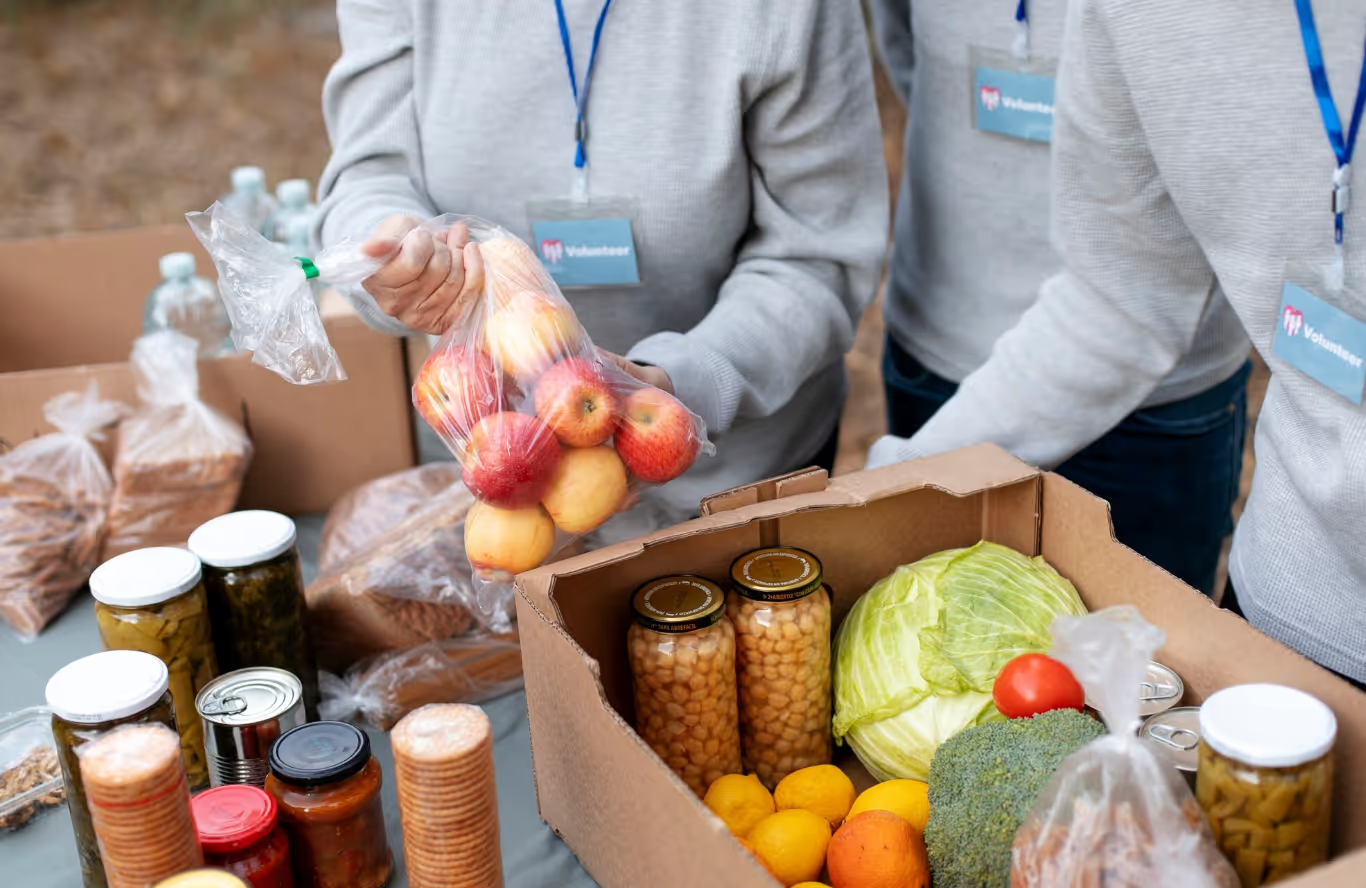
The ongoing conflict in the Middle East is rapidly evolving into a major global humanitarian emergency, as international aid agencies warn that war conditions are severely disrupting the delivery of food, medicine, and life-saving relief supplies across multiple crisis-hit regions.
What began as a regional conflict is now creating a ripple effect far beyond the war zone, impacting vulnerable populations in countries already struggling with hunger, displacement, and fragile healthcare systems. According to major humanitarian organizations, millions of people are at immediate risk if relief routes are not restored soon.
One of the most alarming concerns is the disruption of key shipping and transport corridors, especially the Strait of Hormuz, one of the world’s most strategically important maritime routes.
With this passage heavily affected by the conflict, aid shipments that typically move through major logistics hubs such as Dubai, Doha, and Abu Dhabi are facing long delays and rerouting challenges.
This is one of the most important points: When critical supply routes are blocked, humanitarian aid does not simply slow down — it can completely fail to reach the people who need it most.
Transport costs have surged because of:
As a result, aid agencies are now able to deliver significantly fewer supplies with the same budget.
International agencies including the World Food Programme have reported that tens of thousands of metric tons of food supplies are currently delayed in transit.
This includes emergency food packets, nutritional supplements, and therapeutic foods meant for children suffering from severe malnutrition.
Very important: Food delays in conflict situations can quickly turn a crisis into famine-like conditions.
Countries already facing severe food insecurity, including parts of Sudan, Somalia, and East Africa, are among the hardest hit.
For example, hundreds of boxes of therapeutic food intended for malnourished children have reportedly been stranded, leaving vulnerable communities exposed to worsening hunger and health complications.
The healthcare impact is equally severe.
International relief groups have warned that essential medicines, pharmaceuticals, vaccines, trauma kits, and emergency medical equipment are being delayed or stranded.
The International Federation of Red Cross and Red Crescent Societies has specifically raised concerns that medical stocks in affected regions could soon run critically low.
This is extremely important: A delay in medical aid can directly lead to preventable deaths.
Hospitals and emergency clinics in conflict zones depend on continuous access to:
Any prolonged interruption puts thousands of lives at immediate risk.
In countries such as Sudan and Lebanon, where healthcare systems are already under pressure, the disruption could prove catastrophic.
The United Nations has described this as the most significant humanitarian supply chain disruption since COVID-19, with shipping and operational costs rising by as much as 20 percent.
This means humanitarian agencies must spend more money simply to move the same volume of aid.
Very very important: Higher logistics costs mean fewer people receive help.
In practical terms, this translates to:
At a time when humanitarian budgets are already stretched, this creates a dangerous funding gap.
The people most affected are not those directly involved in the conflict, but the world’s most vulnerable communities:
For them, delays of even a few days can mean the difference between survival and tragedy.
This humanitarian concern is global, not regional.
Even nations far from the conflict zone are experiencing consequences through disrupted aid chains and rising food prices.
Aid agencies are urgently calling for:
Without swift intervention, experts warn that the disruption could continue for months, worsening hunger, disease, and displacement worldwide.
The most urgent message from humanitarian organizations is clear:
Every day of continued conflict increases the suffering of millions who rely on food and medicine aid to survive.
For questions or comments write to contactus@bostonbrandmedia.com



-v3.jpg)


-v3-02.jpg)