Stay informed with our newsletter.
.webp)


EN





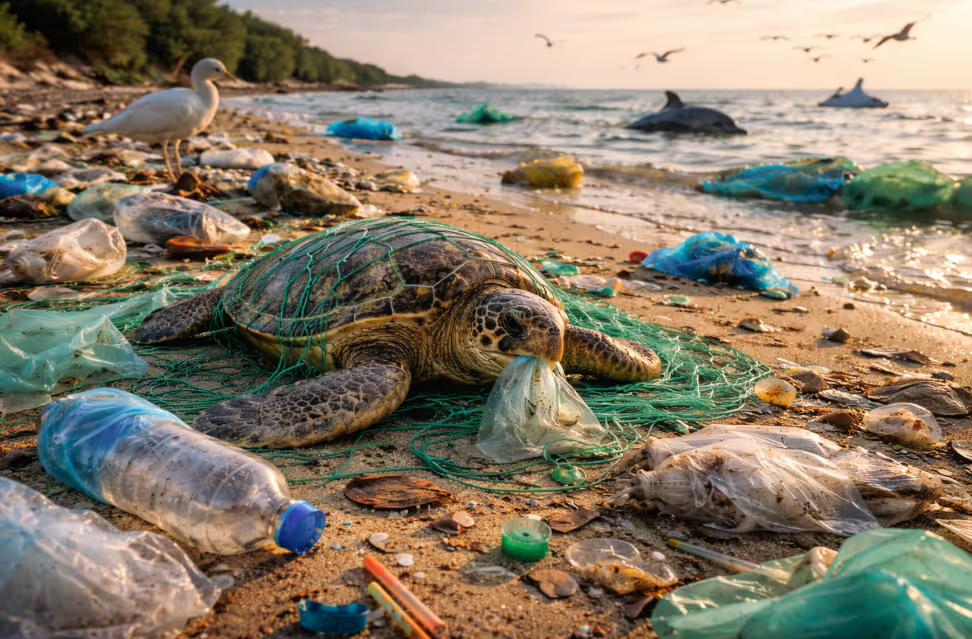
Plastic pollution has become a major environmental threat, harming ecosystems and accelerating species extinction worldwide. Millions of tons of plastic waste enter oceans and natural habitats each year, endangering marine life, wildlife, and biodiversity. Animals often ingest or become entangled in plastic debris, leading to injury or death. As pollution spreads through ecosystems and food chains, scientists warn that urgent global action is needed to reduce plastic waste and protect the long-term health and stability of the planet.
Environmental pollution has emerged as one of the defining challenges of the twenty-first century. Among the many forms of pollution affecting the planet, plastic contamination stands out as one of the most pervasive and damaging. Once celebrated as a revolutionary material because of its durability, low cost, and versatility, plastic has now become a global environmental crisis. From the deepest ocean trenches to the most remote mountain ranges, plastic waste has infiltrated ecosystems worldwide, creating severe consequences for wildlife, biodiversity, and long-term ecological balance.
Scientists and environmental organizations increasingly warn that plastic pollution is not merely an issue of waste management, it is a direct threat to the survival of countless species and the stability of natural systems that support life on Earth.
Global plastic production has increased dramatically over the past few decades. According to data from international environmental agencies, the world produces more than 400 million tons of plastic every year. A significant portion of this material is designed for single use, including packaging, disposable utensils, bags, bottles, and consumer goods. Unfortunately, only a small percentage of plastic waste is effectively recycled. Much of it ends up in landfills, rivers, coastlines, and oceans.
Researchers estimate that between 8 and 11 million tons of plastic enter the oceans annually. If current trends continue, the amount of plastic waste flowing into marine ecosystems could nearly triple by 2040. Plastic debris accumulates in large ocean gyres, forming vast garbage patches, but the problem extends far beyond visible waste. Over time, plastic materials break down into smaller fragments known as microplastics and nanoplastics, which are now found in water, soil, air, and even human food supplies.
These microscopic particles are particularly dangerous because they can easily enter biological systems, spreading through ecosystems in ways that scientists are only beginning to understand.
Marine ecosystems are among the hardest hit by plastic pollution. Sea turtles, whales, dolphins, seabirds, and countless fish species encounter plastic debris daily. Animals often mistake floating plastic bags or fragments for food. For example, sea turtles frequently confuse plastic bags with jellyfish, one of their primary prey items. Once ingested, plastic can block digestive systems, causing starvation, internal injuries, and death.
Large marine mammals such as whales have also been found with stomachs full of plastic waste. In several documented cases, stranded whales were discovered to have ingested dozens of plastic bags, fishing nets, and packaging materials. These items accumulate inside the digestive tract, preventing animals from properly absorbing nutrients.
Fishing gear, including abandoned nets and lines, poses another deadly threat. Known as “ghost gear,” these materials continue to trap marine animals long after they have been discarded. Fish, turtles, seals, and seabirds become entangled, often leading to drowning, injury, or starvation.
Seabirds are particularly vulnerable to plastic ingestion. Studies suggest that more than 90 percent of seabird species have consumed plastic at some point, with some birds carrying dozens of plastic fragments inside their stomachs.
Beyond individual animal deaths, plastic pollution contributes to broader ecological disruption that can accelerate species decline and extinction. When large numbers of animals within a species are harmed by pollution, populations can shrink rapidly. This is especially concerning for species that are already endangered due to habitat loss, climate change, or overfishing.
Coral reefs, often referred to as the “rainforests of the sea,” are also affected by plastic contamination. Research indicates that coral exposed to plastic debris faces significantly higher risks of disease. Since coral reefs support approximately a quarter of all marine species, their degradation can trigger cascading effects throughout marine ecosystems.
Plastic pollution also damages coastal habitats such as mangroves and seagrass beds. These ecosystems act as critical breeding and feeding grounds for numerous marine organisms. When plastic accumulates in these environments, it disrupts nutrient cycles, reduces oxygen levels, and alters habitat conditions that species depend upon for survival.
On land, plastic waste can also harm wildlife. Animals may ingest plastic debris or become entangled in discarded materials. Additionally, chemicals used in plastic production can leach into soil and water systems, affecting plant growth and animal health.
One of the most alarming aspects of plastic pollution is the rapid spread of microplastics. As larger plastic objects break down through sunlight, wave action, and environmental exposure, they fragment into tiny particles often smaller than a grain of sand.
These particles have now been detected in oceans, freshwater systems, agricultural soils, and even the atmosphere. Marine organisms at the base of the food chain, such as plankton and small invertebrates, can ingest microplastics unintentionally. Once consumed, these particles move up the food chain as larger animals eat smaller ones.
Scientists have found microplastics in seafood, table salt, drinking water, and even human blood samples. While research on the health impacts is still developing, early findings suggest potential risks related to chemical exposure, inflammation, and contamination of biological systems.
The effects of plastic pollution extend beyond environmental damage. Coastal communities that depend on tourism and fisheries face significant economic losses when beaches and marine ecosystems become polluted. Cleaning up plastic waste requires substantial financial resources, and governments around the world spend billions of dollars each year managing waste and environmental restoration.
Fishing industries are also affected when marine debris damages equipment or reduces fish populations. In addition, polluted coastlines can discourage tourism, affecting local businesses and livelihoods.
Recognizing the growing urgency of the issue, governments, environmental organizations, and businesses are increasingly working to reduce plastic waste. Many countries have introduced policies banning or restricting single-use plastics such as bags, straws, and packaging materials. Recycling programs and waste management systems are being expanded in many regions.
Innovations in sustainable materials are also gaining attention. Researchers and companies are developing biodegradable alternatives, plant-based packaging, and reusable product designs that aim to reduce reliance on conventional plastics.
International cooperation is also playing a crucial role. Global initiatives are being discussed to create legally binding agreements aimed at reducing plastic pollution across the entire lifecycle of plastic products—from production and consumption to waste management.
While technological solutions and policy changes are essential, experts emphasize that addressing plastic pollution also requires changes in consumer behavior and corporate practices. Reducing single-use plastic consumption, improving recycling infrastructure, and supporting sustainable product design are key components of long-term solutions.
Public awareness has grown significantly in recent years, with environmental campaigns, documentaries, and scientific studies highlighting the scale of the problem. However, the challenge remains immense. Plastic pollution accumulated over decades will continue to affect ecosystems for many years, even if production slows.
Protecting biodiversity and preventing further species extinction will depend on coordinated action at every level—from governments and corporations to communities and individuals.
The plastic pollution crisis serves as a powerful reminder that environmental stewardship is inseparable from human survival. The ecosystems that sustain wildlife also support human food systems, climate stability, and global economic activity. Addressing plastic pollution is therefore not just about protecting nature, it is about safeguarding the future of life on Earth.
For questions or comments write to contactus@bostonbrandmedia.com



-v3.jpg)


-v3-02.jpg)