Stay informed with our newsletter.


EN





Australia’s poultry and egg industries are preparing for the fallout from highly pathogenic H5 bird flu, after the virus spread among wild birds. An Ernst & Young analysis warns that repeated outbreaks in commercial flocks could drive chicken and egg prices up by as much as 75% in a worst-case scenario. Although Australian farmed poultry remained free of H5 bird flu as of November 2, officials and producers are expanding surveillance and biosecurity measures to protect supplies and limit disruption.
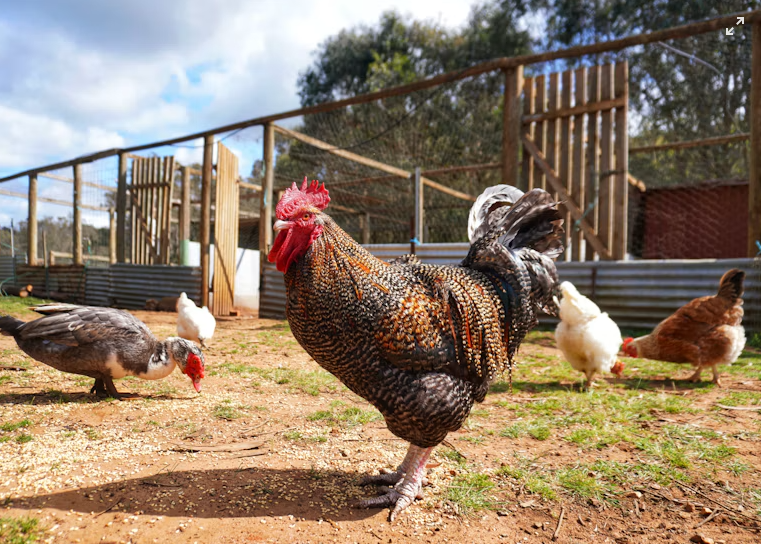
The growing spread of highly pathogenic avian influenza, commonly known as bird flu, is raising fresh concerns across the global food industry, with poultry producers, egg suppliers and government authorities stepping up efforts to protect commercial flocks against potential outbreaks.
Australia has emerged as a significant focus of attention after the H5 strain was detected in wild birds across multiple states. Although the virus has not been detected in Australian commercial poultry, industry analysts warn that an outbreak affecting large-scale farming operations could trigger substantial disruptions to food production, increase operating costs and push retail prices higher.
The potential economic consequences are outlined in a new analysis by Ernst & Young (EY), which examines the vulnerability of Australia's $13.5 billion commercial egg and chicken industries to a major H5 bird flu outbreak.
The analysis models several possible outbreak scenarios. Under the most severe scenario, involving repeated outbreaks before production has fully recovered, chicken and egg prices could increase by as much as 75%. A carton of eggs currently priced at approximately A$6.40 could rise to around A$11.20, while chicken breast prices could climb from A$11 to approximately A$19.25.
The report also estimates that a severe outbreak could reduce Australia's gross domestic product by A$6.2 billion and put approximately 5,630 jobs at risk. A more moderate outbreak could increase prices by 35%, reduce economic output by A$3 billion and result in around 2,000 job losses.
Even a contained outbreak could have measurable consequences, potentially increasing prices by 10% and reducing economic output by approximately A$700 million.
These projections highlight the economic exposure of food production systems to animal disease outbreaks, particularly when supply chains depend on highly specialised agricultural operations and uninterrupted production.
As of November 2, Australia's Department of Agriculture confirmed that commercial poultry remained free of H5 bird flu. However, the government reported continued detections among wildlife and committed approximately A$30.4 million in national emergency response funding to support surveillance, investigations and ongoing management efforts.
The Australian government reported 741 confirmed H5 bird flu events in wildlife as of November 12, 2026, demonstrating the growing scale of the monitoring challenge.
For poultry producers, the greatest concern is the possibility of the virus entering commercial farms through contact with infected wild birds, contaminated equipment, vehicles or other pathways.
Highly pathogenic avian influenza can spread rapidly among susceptible bird populations. When an infection is confirmed at a commercial poultry facility, authorities may require affected flocks to be culled to prevent further transmission. Farms may also face quarantine restrictions, movement controls and temporary operational shutdowns.
The consequences can extend well beyond the affected farm. Poultry production relies on a connected network of breeding facilities, hatcheries, feed suppliers, processing plants, cold-storage facilities and transportation operators. Disruption at any stage can affect the availability and cost of products reaching supermarkets, restaurants and food manufacturers.
Egg production presents a particularly difficult recovery challenge. Once laying hens are lost, producers must raise replacement birds before normal production levels can be restored. According to the EY analysis, recovery could take approximately 16 to 18 weeks or longer for egg production, while chicken meat production could take around six weeks to recover, depending on the scale of the outbreak and the availability of replacement stock.
These extended recovery periods could create supply shortages even after an outbreak has been contained.
The threat is also prompting poultry producers to reconsider how their farms are designed and managed. Biosecurity investments, including improved ventilation systems, restricted farm access, disinfection facilities, enhanced monitoring and measures to prevent contact between domestic poultry and wild birds, are becoming increasingly important.
Free-range egg producers face additional challenges because outdoor farming systems can increase opportunities for contact between domestic birds and wildlife. Some producers are exploring temporary indoor housing arrangements to reduce exposure risks while maintaining animal welfare and complying with applicable food-labelling requirements.
The financial burden of these measures could be significant, particularly for smaller agricultural businesses with limited resources to invest in upgraded infrastructure.
The situation in Australia reflects a wider international challenge. Highly pathogenic H5N1 avian influenza has affected bird populations across several regions and has also been detected in mammals. In November, German authorities confirmed an H5N1 outbreak at a small domestic poultry holding in Brandenburg, where approximately 160 ducks, geese and chickens were affected. Authorities ordered the birds to be culled and established protection and surveillance zones around the facility.
Such developments reinforce concerns about the potential for the virus to move between wildlife and domestic poultry populations, creating additional pressure on agricultural authorities and food producers.
For the global food and beverage industry, the implications extend beyond chicken and egg prices. Poultry is an essential ingredient across numerous food categories, including ready meals, processed foods, bakery products, sauces, restaurant menus and institutional catering.
A prolonged disruption in poultry supplies could force manufacturers and foodservice operators to reassess procurement strategies, negotiate alternative supply arrangements and absorb higher production costs. Businesses that depend heavily on eggs as an ingredient could also face pressure on profit margins and product pricing.
Consumers may ultimately experience the impact through higher grocery bills, reduced product availability and changes in restaurant menu prices.
Despite these concerns, food safety authorities have stressed that properly handled and thoroughly cooked poultry and eggs remain safe to eat. The presence of bird flu in wild birds does not automatically mean that commercial poultry or food products are infected. Consumers should continue following established food handling, storage and cooking practices.
The Australian experience also highlights the importance of coordinated action between governments, agricultural businesses, veterinary authorities and food manufacturers. Early detection, transparent reporting, effective biosecurity and rapid outbreak containment will be essential to limiting economic damage.
As the international food industry prepares for potential disruptions, poultry producers are facing a difficult balance between protecting animal health, maintaining production capacity and controlling operating expenses.
While the projected price increases remain scenario-based rather than confirmed market outcomes, the warning is significant. A major outbreak affecting commercial poultry could have consequences throughout the food supply chain, making bird flu not only an agricultural health concern but also an increasingly important economic and food security issue.
For governments and businesses alike, strengthening preparedness today may prove critical to protecting food supplies, stabilising prices and preventing a localised animal disease outbreak from developing into a wider food industry crisis.
For questions or comments write to contactus@bostonbrandmedia.com