Stay informed with our newsletter.


EN





Despite decades of progress toward eradication, polio remains a significant global health concern, with new cases of vaccine-derived poliovirus reported across 20 countries in 2026. The World Health Organization (WHO) is urging governments to strengthen childhood immunization, improve disease surveillance and address vaccination gaps in vulnerable communities. Conflict, population displacement and limited healthcare access continue to complicate eradication efforts. With 155 cases reported as of September 15, experts warn that sustained international cooperation remains essential to prevent further transmission and protect children.
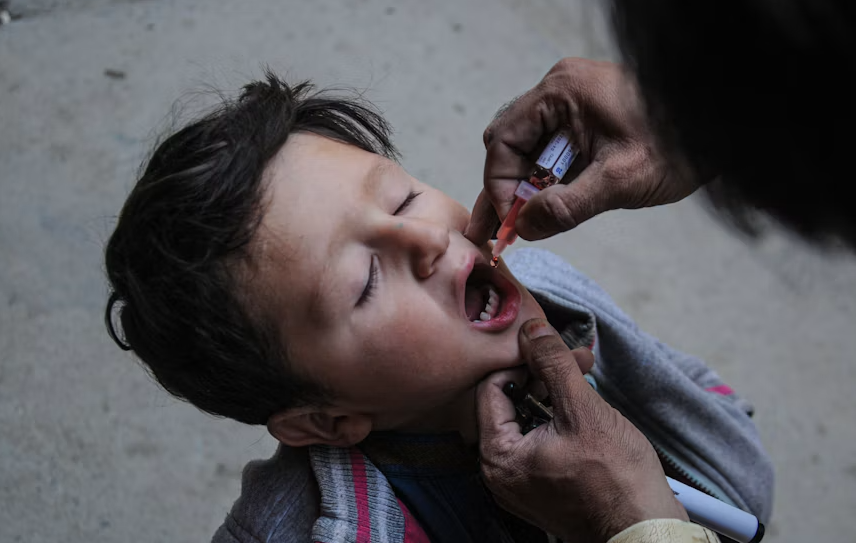
The global fight against polio is facing renewed challenges as health authorities report continued transmission of the virus across multiple regions. According to the World Health Organization's (WHO) latest assessment, 155 cases of circulating vaccine-derived poliovirus (cVDPV) were reported across 20 countries in 2026, based on data available through September 15.
The figures highlight the challenges facing international health organizations as they work toward eliminating a disease that has been reduced dramatically through decades of vaccination campaigns.
The WHO's 46th Emergency Committee meeting, convened on September 30, reviewed the latest epidemiological developments and concluded that the international spread of poliovirus continues to represent a Public Health Emergency of International Concern.
One of the key concerns highlighted by health authorities is the continued emergence of vaccine-derived poliovirus.
While oral polio vaccines have played a critical role in protecting millions of children, in rare circumstances, weakened vaccine virus can circulate for extended periods in populations with low immunization coverage. Over time, it can undergo genetic changes and regain the ability to cause paralysis.
Of the 155 vaccine-derived cases reported in 2026, 118 involved type 2 poliovirus, 24 involved type 1 and 13 involved type 3.
The Democratic Republic of the Congo and Nigeria accounted for 88 type 2 cases combined, representing approximately 75% of the global type 2 caseload reported by mid-September.
The figures underscore the importance of maintaining high vaccination coverage, particularly in communities where access to routine healthcare remains limited.
Although global efforts have significantly reduced wild poliovirus transmission, Afghanistan and Pakistan remain the only countries where wild poliovirus type 1 continues to circulate endemically.
According to WHO data, 29 wild poliovirus type 1 cases were reported across the two countries in 2026 as of the latest emergency committee assessment.
Cross-border population movement, security challenges, inconsistent vaccination coverage and difficulties reaching children in remote communities continue to complicate eradication efforts.
Health officials have emphasized that Afghanistan and Pakistan must maintain coordinated vaccination campaigns and strengthen surveillance, particularly in border regions where the risk of transmission remains high.
Polio primarily affects children under five and can spread through contaminated food and water, particularly in areas with inadequate sanitation.
The infection can attack the nervous system and cause permanent paralysis. In severe cases, it can affect the muscles responsible for breathing and become life-threatening.
There is no cure for polio. Vaccination remains the most effective way to prevent infection and protect children from its potentially lifelong consequences.
However, millions of children worldwide continue to face barriers to routine immunization because of poverty, displacement, armed conflict, limited healthcare infrastructure and vaccine hesitancy.
Children who have not received any routine vaccinations are particularly vulnerable to outbreaks.
Despite the challenges, international health organizations continue to make progress in developing improved vaccination strategies.
The novel oral polio vaccine type 2 (nOPV2) has emerged as an important tool in responding to outbreaks of vaccine-derived type 2 poliovirus.
More than two billion doses have been administered since its introduction in 2021. WHO reports that the vaccine offers greater genetic stability and a substantially lower risk of reverting to a disease-causing form compared with the traditional oral type 2 vaccine.
Environmental surveillance, including wastewater testing, is also helping health authorities identify poliovirus circulation before additional cases emerge.
These approaches, combined with rapid vaccination campaigns, are essential to containing outbreaks and preventing international spread.
The continued circulation of poliovirus demonstrates that eradication requires more than vaccine availability. Governments must ensure that immunization programmes reach every child, including those living in conflict-affected, remote and underserved communities.
WHO is calling for stronger routine immunization, improved disease surveillance, coordinated cross-border responses and sustained financial support for eradication programmes.
The organization has also recommended extending temporary international public health measures for another three months in response to the continuing risk of international transmission.
The global fight against polio has achieved remarkable results, reducing cases by more than 99% since 1988. However, the latest figures demonstrate that the disease has not yet been eliminated.
For health authorities, the immediate priority is closing vaccination gaps, responding quickly to new outbreaks and ensuring that children everywhere receive the protection they need.
The success of global eradication efforts will ultimately depend on sustained political commitment, international cooperation and equitable access to vaccines.
Until poliovirus transmission is stopped everywhere, the threat of renewed outbreaks will remain a concern for public health systems worldwide.
For questions or comments write to contactus@bostonbrandmedia.com