Stay informed with our newsletter.
.webp)


EN





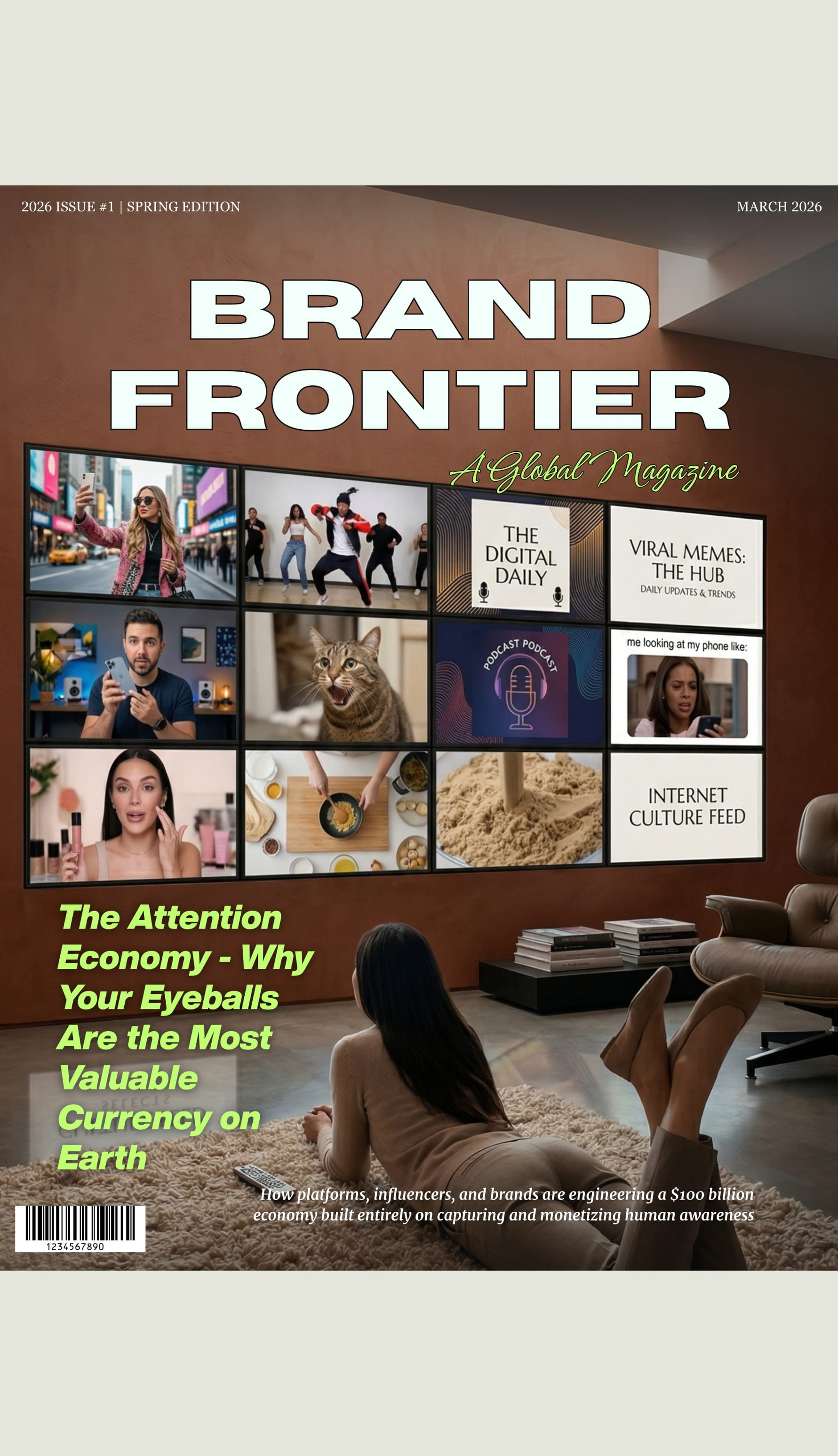
The attention economy highlights how human focus has become the most valuable asset in the digital age. Platforms, brands, and creators compete to capture and monetize every second of user attention. With algorithms driving engagement and influencers turning visibility into business, attention now fuels billion-dollar industries. As content consumption grows, the real power lies in holding audience interest, making attention, not money, the true currency shaping modern marketing, media, and online behavior.
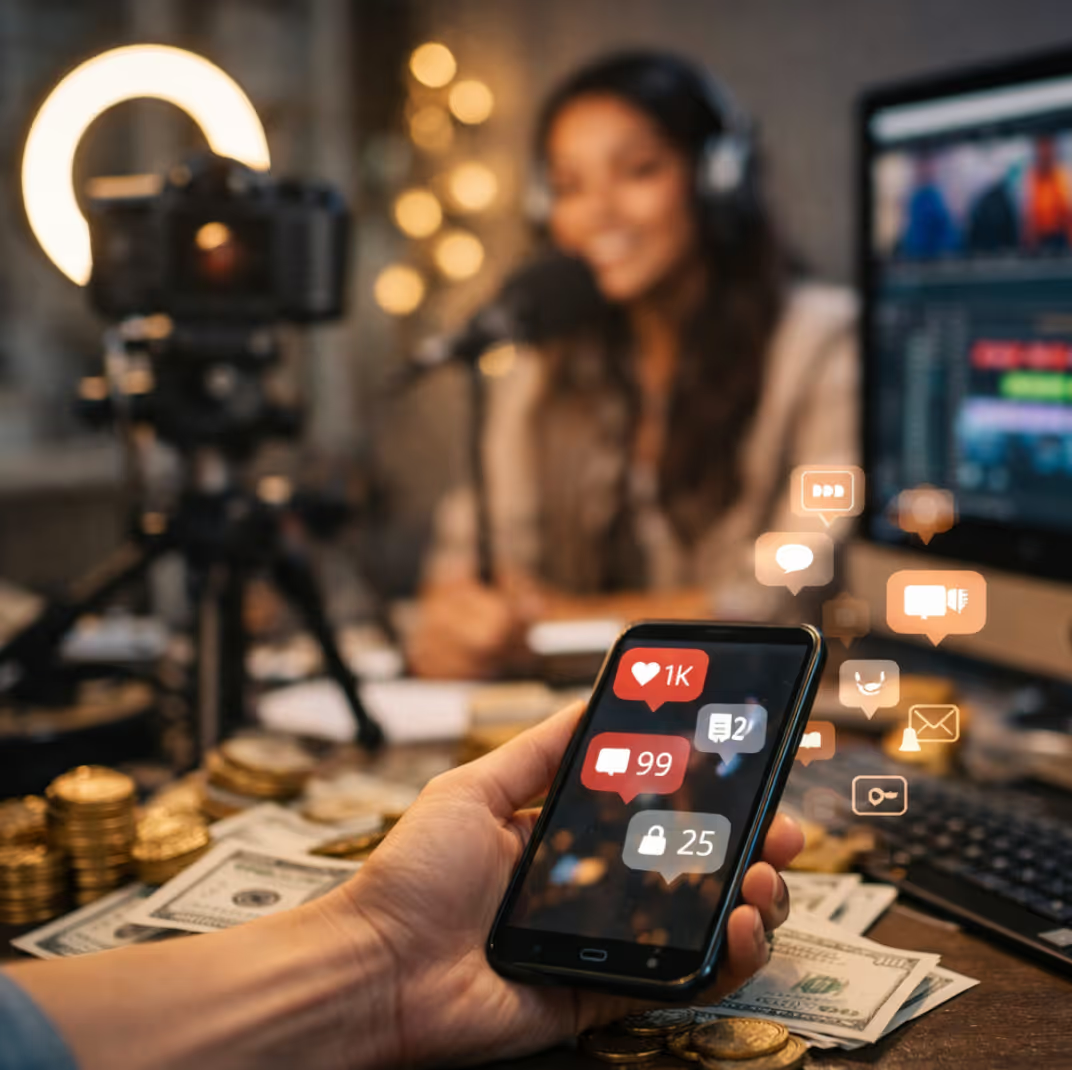
In today’s hyperconnected world, attention has quietly overtaken money as the most powerful currency. Every scroll, click, pause, and swipe is tracked, measured, and ultimately monetized. What once felt like casual browsing has evolved into a global economic engine where human focus fuels billion-dollar industries. The rise of the attention economy signals a dramatic shift in how value is created, not through physical assets, but through the ability to capture and hold human attention.
At the center of this transformation are platforms like Meta and YouTube, which have mastered the science of turning engagement into revenue. In 2024, Meta generated a staggering $160.6 billion in ad revenue, while YouTube contributed around $36 billion. These figures are not just about advertising, they represent the massive value of human time. Altogether, the attention economy generates over $100 billion annually, proving that your time is literally money in today’s digital landscape.
What makes attention so powerful is its scarcity. While content is infinite, human focus is limited. This imbalance has triggered intense competition among platforms, brands, and creators, all fighting for a slice of your day. To win, platforms are no longer just content distributors; they are precision-engineered systems designed to maximize engagement. Algorithms prioritize emotionally charged, visually stimulating, and highly shareable content to keep users hooked.
These systems are deeply rooted in behavioral psychology. Features like infinite scrolling, autoplay, and personalized feeds are carefully designed to trigger dopamine responses, encouraging users to stay longer. The longer you stay, the more data is collected and the more valuable you become. This creates a powerful loop where attention is captured, refined, and sold.
But the real disruption in the attention economy is not just the dominance of platforms, it is the rise of individual creators as economic forces. Influencers, podcasters, and content creators are transforming personal visibility into scalable businesses. Unlike traditional celebrities, they own their audience, giving them unprecedented control and bargaining power.
This shift has revolutionized marketing strategies. Brands are moving away from traditional ads and investing heavily in creators who already have loyal, engaged communities. By 2026, even mid-tier influencers are securing six-figure deals, without selling a single product. Their power lies in their ability to drive demand instantly and build trust authentically.
From a business standpoint, the numbers are hard to ignore. Influencer marketing delivers an average ROI of $5.78 for every $1 spent, nearly double that of traditional digital advertising. Why? Because trust converts. Audiences see creators as relatable and credible, making their recommendations far more effective than polished corporate campaigns.
What’s even more fascinating is how creators are evolving. They are no longer just promoting brands, they are building empires. Many are launching product lines, securing equity stakes, and even creating venture-backed startups. Their audience becomes a built-in customer base, dramatically reducing the cost of growth. In this new model, attention is not just influence, it is infrastructure.

The tactics used to capture attention may seem playful, viral challenges, trending audio, memes, and short-form videos, but they are backed by a data-driven strategy. Every piece of content is designed to trigger emotion, whether it’s humor, curiosity, outrage, or inspiration. Emotion fuels sharing, and sharing fuels scale.
And scale is everything. A single post can reach millions within hours, creating exponential value at almost zero cost. This is the true power of the attention economy, it allows individuals and brands to scale influence faster than ever before.
However, this relentless pursuit of attention comes with challenges. As competition intensifies, there is growing pressure to produce more extreme, more engaging, and sometimes more controversial content. This raises concerns around misinformation, content fatigue, and even mental health. The line between authenticity and performance is becoming increasingly blurred.
For consumers, this means one thing: awareness is power. Understanding that your attention is being actively targeted and monetized allows you to make more intentional choices. In a world driven by algorithms, digital literacy is no longer optional, it is essential.
For brands, the shift is even more profound. The question is no longer “How do we advertise?” but “How do we become impossible to ignore?” Success now depends on creating compelling stories, delivering real value, and building genuine connections. Brands must earn attention, not interrupt it.
Looking ahead, the battle for attention will only intensify. Emerging technologies like AI, augmented reality (AR), and virtual reality (VR) will unlock new ways to capture and immerse users. At the same time, regulations and consumer expectations will reshape how attention is measured and monetized.
Ultimately, the attention economy represents a profound shift in power. It is no longer about who has the most resources, it is about who can command attention in a crowded digital world. For individuals, it offers unprecedented opportunities to build influence and wealth. For businesses, it creates new pathways for growth and innovation.
But here’s the most important truth: attention is finite. It is personal, valuable, and constantly in demand. In a world designed to take as much of it as possible, the real advantage lies in where you choose to focus it.
Because in today’s economy, your attention isn’t just being consumed, it’s being bought, sold, and traded.
For questions or comments write to contactus@bostonbrandmedia.com



-v3.jpg)


-v3-02.jpg)







.png)