Stay informed with our newsletter.
.webp)


EN





Pakistan has announced its largest-ever fuel price increase, raising petrol and diesel prices by PKR 55 per litre. The sharp hike is expected to place additional financial pressure on consumers and businesses, as transportation and production costs are likely to rise. Analysts warn that the move could further fuel inflation and impact daily expenses across the country, sparking public concern and debate over economic conditions and energy policies.
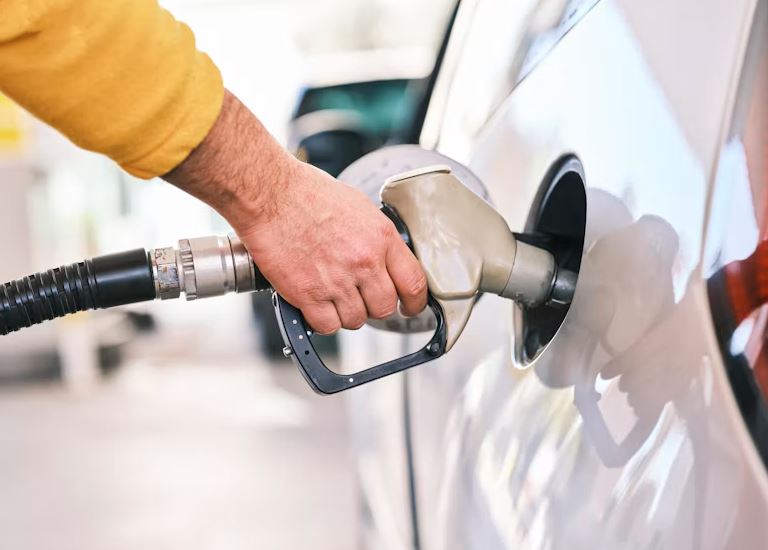
Pakistan has implemented a steep fuel price increase, pushing the ex-depot rate of high-speed diesel to PKR 335.86 per litre for the coming week. This marks nearly a 20% jump from the previous rate of PKR 280.86 per litre.
In what is being described as the first major economic ripple following the Iran-related regional conflict, the government announced an overnight hike of PKR 55 per litre for both petrol and high-speed diesel, the largest increase the country has ever seen.
The announcement came just before midnight during a press briefing attended by Petroleum Minister Ali Pervaiz Malik, Deputy Prime Minister and Foreign Minister Ishaq Dar, and Finance Minister Muhammad Aurangzeb. Officials reassured the public that despite the sharp price rise, the country still holds adequate petroleum reserves.
With the revision in place, the new ex-depot rate for diesel stands at PKR 335.86 per litre, reflecting a substantial rise from last week’s price.
Petrol prices have also surged. The ex-depot rate for petrol has been adjusted to PKR 321.17 per litre, up from PKR 266.17 per litre, representing roughly a 17% increase.
Speaking during the briefing, Malik explained that escalating tensions across the Middle East have created widespread uncertainty, disrupting global energy supply chains and driving prices higher.
He warned that the conflict, which began in a neighbouring region, is now affecting the entire area, with no clear indication of when the crisis might ease.
Pakistan’s heavy reliance on oil shipments passing through the Strait of Hormuz has further complicated the situation, as ongoing tensions have raised concerns about supply disruptions.
Authorities are closely monitoring fuel availability across the country. Malik cautioned that strict measures would be taken against anyone attempting to hoard fuel or create artificial shortages in the market.
To manage potential supply issues, the minister revealed that two Pakistani oil tankers are currently traveling via alternative routes to ensure steady deliveries.
Given the instability in global energy markets, the government plans to review petroleum prices every week instead of following the usual schedule.
Malik added that if international conditions stabilise, fuel prices will be reduced just as swiftly as they were increased.
Earlier, Ishaq Dar noted that global crude oil prices have surged between 50% and 70% due to the regional crisis. He explained that while many countries automatically pass such increases to consumers, Pakistan attempted to soften the impact and strike a balanced approach.
Finance Minister Muhammad Aurangzeb reiterated that Pakistan currently maintains comfortable fuel reserves and that the broader economic situation remains stable, though authorities will continue monitoring developments closely.The decision followed the government’s move to pause a proposed national contingency plan that included work-from-home arrangements and distance learning measures intended to manage a possible fuel shortage.
Instead, officials opted to allow normal activities to continue for at least another week.News of the impending hike triggered panic buying across several cities, with long lines forming at petrol pumps as motorists rushed to fill their tanks before the new prices took effect.
The decision to delay the emergency plan was finalised during a high-level meeting on petroleum reserves chaired by Prime Minister Shehbaz Sharif.According to sources familiar with the meeting, the government concluded that existing fuel stocks are sufficient to meet the country’s needs for now, making immediate restrictions unnecessary.Just a day earlier, authorities had signalled plans to introduce weekly fuel price revisions starting March 8 while also considering fuel-saving measures amid potential supply disruptions linked to the Middle East crisis.
For questions or comments write to contactus@bostonbrandmedia.com
Source: NDTV



-v3.jpg)


-v3-02.jpg)