Stay informed with our newsletter.


EN





Hundreds of thousands of demonstrators took to the streets across France on October 31 for a third consecutive weekend, protesting rising living costs, education challenges and deteriorating public services. The demonstrations, led largely by students and young people, spread across major cities, including Paris, Lyon and Toulouse. While most rallies remained peaceful during the day, clashes erupted later as police deployed tear gas and made arrests. The growing movement reflects mounting frustration over economic pressures and government policies.
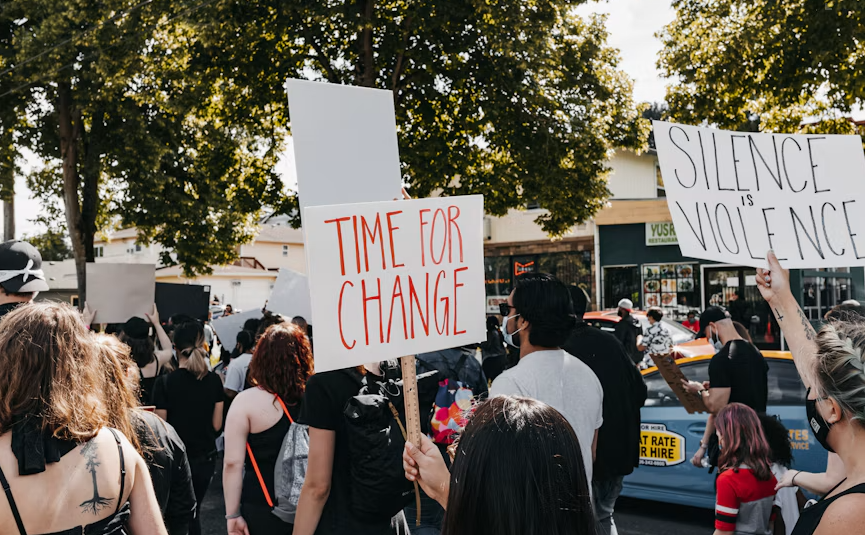
France witnessed another wave of nationwide demonstrations on Saturday as hundreds of thousands of people took to the streets to protest rising living costs, worsening education conditions and concerns over public services. The protests, marking the third consecutive weekend of demonstrations, brought together students, trade unions and supporters of the Yellow Vest movement, highlighting growing frustration with the country's economic and political situation.
According to France's Interior Ministry, approximately 320,000 people participated in demonstrations nationwide, including around 70,000 in Paris. Youth organizations estimated the turnout at nearly 500,000. Authorities deployed approximately 70,000 police officers and gendarmes across the country as officials prepared for possible unrest following violent incidents during earlier demonstrations.
The movement initially gained momentum in September, when high school and university students began organizing protests over deteriorating school facilities, overcrowded classrooms, teacher shortages and concerns about university admissions. What began as a campaign focused on education gradually expanded into a broader demonstration against rising household expenses, high fuel prices, economic inequality and what protesters describe as inadequate government responses to everyday financial pressures.
As the demonstrations grew, workers' unions and supporters of the Yellow Vest movement joined the protests, bringing together groups with different political and economic demands. Many demonstrators argue that wages and household incomes are failing to keep pace with the rising cost of essential goods and services, leaving families struggling to manage housing, transportation, food and education expenses.
In Paris, thousands of demonstrators gathered along the eastern outskirts of the capital after authorities restricted access to some central routes. Protesters carried banners criticizing government policies and demanding greater investment in education and public services. Some participants wore Halloween costumes, including masks and colorful outfits, turning parts of the demonstrations into unusual street scenes.
Although the daytime marches were largely peaceful, tensions escalated later in several cities. In Paris, masked individuals reportedly threw paving stones and other objects at police officers, prompting security forces to respond with tear gas and baton charges. Similar confrontations were reported in Lyon and Toulouse, where police used tear gas and water cannons to disperse groups of demonstrators.
The Interior Ministry reported more than 560 arrests nationwide during Saturday's demonstrations. Authorities said security forces had been instructed to prevent further damage to businesses and public infrastructure following earlier incidents involving looting, vandalism and attacks on public buildings.
The protests have also raised concerns among business owners, particularly in central Paris, where several shops protected their storefronts with wooden panels and temporary barriers. Retailers have reported financial losses linked to damaged property, reduced customer traffic and temporary closures during demonstrations.
The unrest comes at a difficult economic moment for France. The country's economy contracted during the third quarter of 2026, while mounting public debt and pressure to control government spending have limited the administration's ability to introduce costly relief measures. Rising borrowing costs have added to concerns about the country's financial outlook, creating further challenges for policymakers.
Prime Minister Emmanuel Macron's government is facing increasing pressure to address the demands of students, workers and households. However, balancing public spending, economic stability and demands for improved public services remains a significant challenge. The government has faced criticism over its handling of the demonstrations, particularly regarding policing and the use of force during confrontations.
The protests have also spread beyond France, with youth-led demonstrations taking place in Germany, Italy, Portugal and other European countries. In Germany, young demonstrators organized rallies demanding better education funding, stronger public services, climate protection and affordable living conditions. The wider movement reflects concerns among younger generations about economic opportunities, social inequality and their influence over decisions affecting their future.
Student organizations in France have indicated that demonstrations could continue in the coming days, with further school and university blockades being discussed. Trade unions have also announced plans for additional mobilization, suggesting that the protests may extend beyond the weekend.
As France enters another week of political and economic uncertainty, the demonstrations present a growing challenge for the government. What began as student-led protests over education has developed into a wider expression of public frustration over the cost of living, economic inequality and access to essential services.
For many demonstrators, the central demand is straightforward: affordable living conditions, better opportunities for young people and public services capable of meeting the needs of ordinary citizens. Whether the government can respond to these concerns without further escalating tensions remains an important question for France in the weeks ahead.
For questions or comments write to contactus@bostonbrandmedia.com