Stay informed with our newsletter.
.webp)


EN





Climate change is intensifying heatwaves, cold spells, and air pollution, creating dangerous conditions for heart health. Extreme temperatures strain the cardiovascular system, while polluted air increases inflammation and blood clotting. Together, these factors raise the risk of heart attacks, especially among older adults and people with existing conditions. As climate extremes become more frequent, public health systems face growing pressure to protect vulnerable populations.
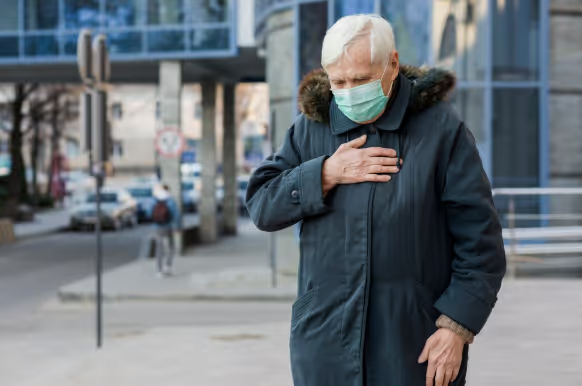
As climate change accelerates, its toll on human health is becoming increasingly clear and cardiologists say the heart is among the most vulnerable organs.
From record-breaking heatwaves to sudden cold snaps and worsening air pollution, extreme environmental conditions linked to climate change are placing unprecedented strain on the cardiovascular system. Growing evidence shows these factors significantly increase the risk of heart attacks, especially among older adults, outdoor workers, and people with preexisting conditions such as high blood pressure or diabetes.
Heat, Cold, and the Heart
High temperatures force the heart to work harder to regulate body heat, increasing dehydration, thickening blood, and raising the likelihood of clot formation. Studies have consistently linked extreme heat to spikes in emergency room visits for heart attacks and strokes.
Cold weather poses a different but equally dangerous threat. Sudden drops in temperature can constrict blood vessels, elevate blood pressure, and trigger cardiac events particularly in people with underlying heart disease.
“Both heat and cold stress the cardiovascular system in different ways, but the result can be the same: increased risk of a heart attack,” said Dr. Michael Harris, a cardiologist based in Chicago.
The Hidden Danger of Dirty Air
Air pollution, much of it driven by fossil fuel use and intensified by climate-related wildfires, compounds the risk. Fine particulate matter can enter the bloodstream through the lungs, causing inflammation, arterial damage, and abnormal heart rhythms.
According to public health researchers, days with poor air quality are often followed by noticeable increases in heart-related hospital admissions.
“Air pollution doesn’t just affect the lungs it directly impacts the heart,” Harris said. “Even short-term exposure can be dangerous.”
Who Is Most at Risk
Vulnerable populations face the greatest danger. Older adults, people with limited access to air conditioning or heating, and communities living near highways or industrial areas are disproportionately affected. Outdoor workers and low-income households often have fewer options to avoid extreme conditions.
Health experts warn that climate-driven cardiac risks are likely to grow as extreme weather events become more frequent and intense.
A Public Health Challenge
Doctors and policymakers say addressing the problem will require both immediate health protections such as heat advisories, clean-air alerts, and improved emergency response and long-term climate action.
“Climate change is no longer a future threat,” Harris said. “It’s a present-day medical emergency, and the heart is paying a heavy price.”
As temperatures rise and air quality worsens, experts emphasize that protecting cardiovascular health must become a central part of climate and public health strategies nationwide.
For questions or comments write to contactus@bostonbrandmedia.com



-v3.jpg)


-v3-02.jpg)