Stay informed with our newsletter.
.webp)


EN





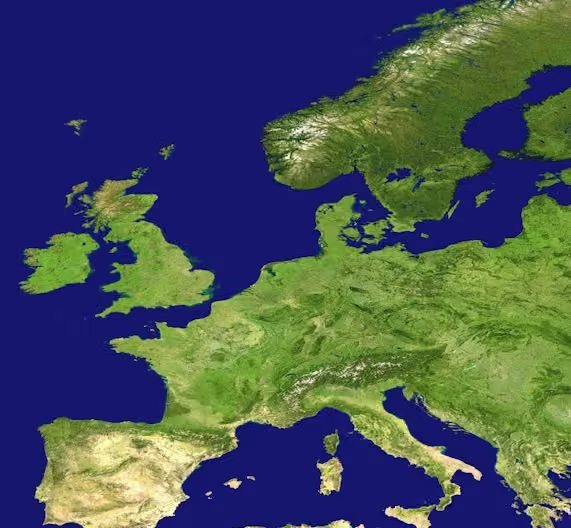
For fans in the UK, the FIFA World Cup is a shared national experience shaped by excitement, anticipation, and community spirit. From watching matches in packed pubs and living rooms to adjusting schedules for global kick-off times, supporters immerse themselves fully in the tournament. Conversations dominate workplaces and social media, while moments of victory or defeat spark intense emotions. The World Cup becomes more than football, it is a cultural event that brings people together across generations.

The global spotlight is once again turning toward football, and with it comes a rare opportunity for brands to connect with audiences in ways that feel meaningful, timely, and emotionally resonant. In a special episode of The Campaign Podcast, the conversation centres on exactly that challenge: how brands can successfully engage international audiences during one of the world’s most watched sporting spectacles.
Joining the discussion is Lizi Hamer, the global executive creative director at Octagon, whose work sits at the intersection of sport, culture, and brand storytelling. With years of experience shaping campaigns around major sporting moments, Hamer brings a sharp perspective on what works, what fails, and what brands too often misunderstand when trying to capitalise on events like the FIFA World Cup.
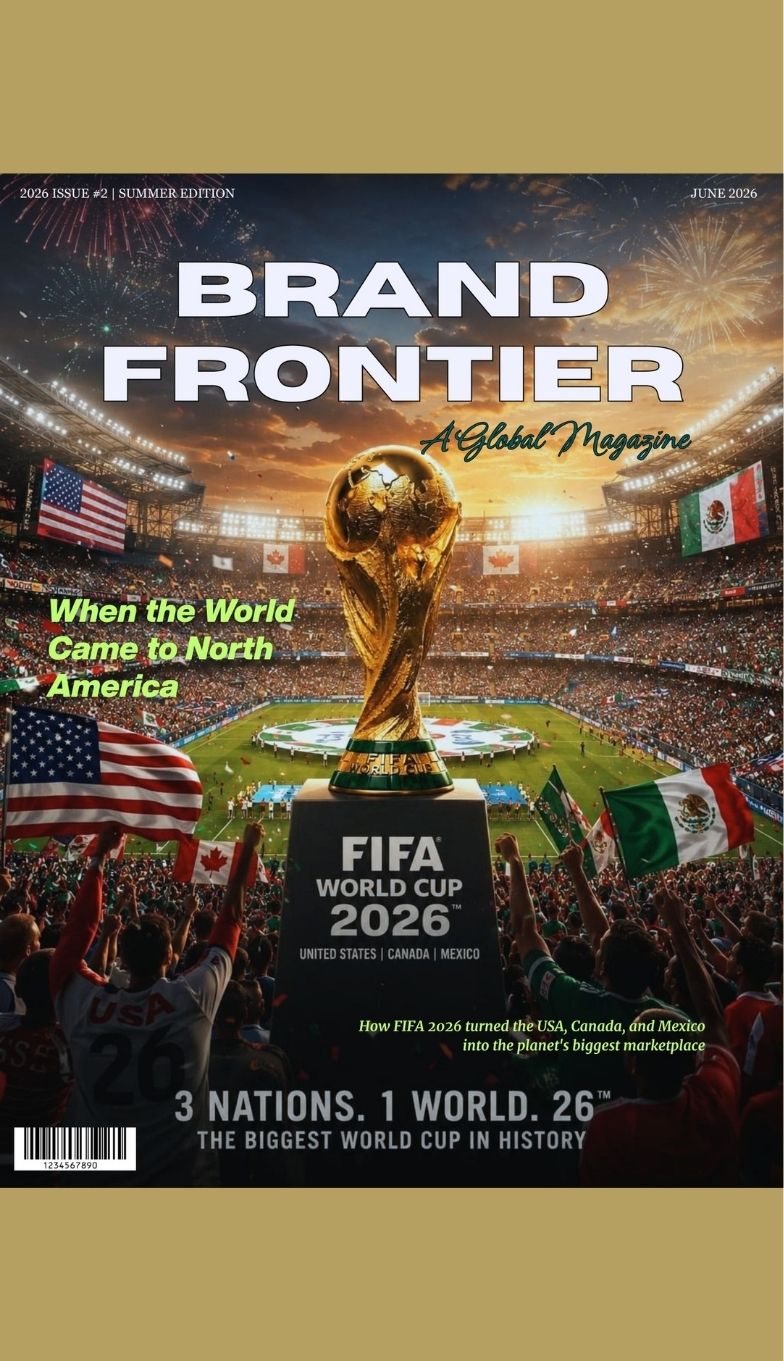
This year’s tournament is set to be unlike any before. Spanning 39 days and hosted across 16 cities in three countries, the United States, Mexico, and Canada, the World Cup has expanded in both scale and ambition. Its summer scheduling and North American setting introduce new viewing habits, cultural contexts, and logistical realities, especially for fans watching from abroad. For UK audiences in particular, the action may be happening thousands of miles away, but interest, passion, and emotional investment remain as strong as ever.
That geographic distance raises an important question for marketers and advertisers based in the UK: how do you connect authentically with fans when the event itself is unfolding across the Atlantic? According to the podcast discussion, the answer lies less in grand gestures and more in understanding how people actually experience the tournament in their everyday lives.
Hamer highlights that one of the most common missteps brands make is focusing too narrowly on national identity. While international tournaments naturally encourage flag-waving and patriotic messaging, this approach can feel limiting or even alienating, in a globalised, multicultural society like the UK. Fans don’t all engage with football in the same way, and many don’t define their World Cup experience purely through nationality.
Instead, the conversation points toward a more nuanced approach: prioritising community over country. Football fandom often lives in local spaces - pubs, living rooms, group chats, workplaces, and online communities. These shared environments are where emotions are amplified, rituals are formed, and memories are created. Brands that tap into these communal moments, rather than relying on broad national clichés, are far more likely to feel relevant and genuine.
The podcast also explores how brand experiences around the World Cup can easily slip into inauthentic territory. Overly polished campaigns that feel disconnected from real fan behaviour often fail to land. Viewers are quick to sense when a brand is simply “showing up” for visibility rather than contributing something of value to the experience. Hamer stresses the importance of cultural fluency, understanding how fans talk, celebrate, complain, and connect during the tournament.
Timing plays a crucial role as well. With matches spread across different time zones, UK fans may find themselves watching early morning kick-offs, late-night games, or catching highlights on the go. This fragmented viewing experience opens the door for creative engagement beyond traditional live broadcasts. Brands that think flexibly about content, platforms, and formats can meet fans wherever they are, rather than expecting attention to follow a single predictable pattern.
Another key theme discussed is the evolving role of technology and media in shaping fan engagement. Social platforms, streaming services, and second-screen experiences now form an integral part of how audiences consume major sports events. The World Cup is no longer just watched—it’s commented on, clipped, shared, debated, and meme-ified in real time. Successful brand campaigns understand this ecosystem and design ideas that can live naturally within it.
The episode is hosted by Lucy Shelley, Campaign’s tech and multimedia editor, who guides the discussion with a focus on how innovation and creativity intersect in modern sports marketing. She is joined by Campaign’s deputy editor, Gemma Charles, and deputy creativity and culture editor, Charlotte Rawlings, both of whom bring additional insight into the cultural and editorial dimensions of the tournament. Together, they unpack how creative strategy, audience behaviour, and media trends converge during moments of global attention.
Throughout the conversation, there is a clear emphasis on restraint and relevance. Bigger isn’t always better, especially during an event as saturated as the World Cup. Hamer suggests that brands should resist the urge to dominate the conversation and instead look for ways to add something meaningful, whether that’s humour, utility, inclusivity, or genuine emotional connection.
The discussion also touches on long-term thinking. While the World Cup is a finite event, the relationships brands build with audiences don’t have to end when the final whistle blows. Campaigns that are rooted in real fan insight and cultural understanding can strengthen brand equity well beyond the tournament itself.
Ultimately, the episode serves as both a critique and a guide. It challenges advertisers to rethink familiar formulas and encourages a more people-first approach to sports marketing. By focusing on shared experiences, respecting cultural complexity, and engaging communities where they truly exist, brands have a chance to become part of the World Cup story rather than just another logo on the sidelines.
As the tournament approaches and anticipation builds, The Campaign Podcast offers a timely reminder: engaging fans isn’t about shouting the loudest during the biggest moment. It’s about listening, understanding, and showing up in ways that feel real, no matter where the matches are being played.
For questions or comments write to contactus@bostonbrandmedia.com
Source: campaignlive



-v3.jpg)


-v3-02.jpg)