Stay informed with our newsletter.
.webp)


EN




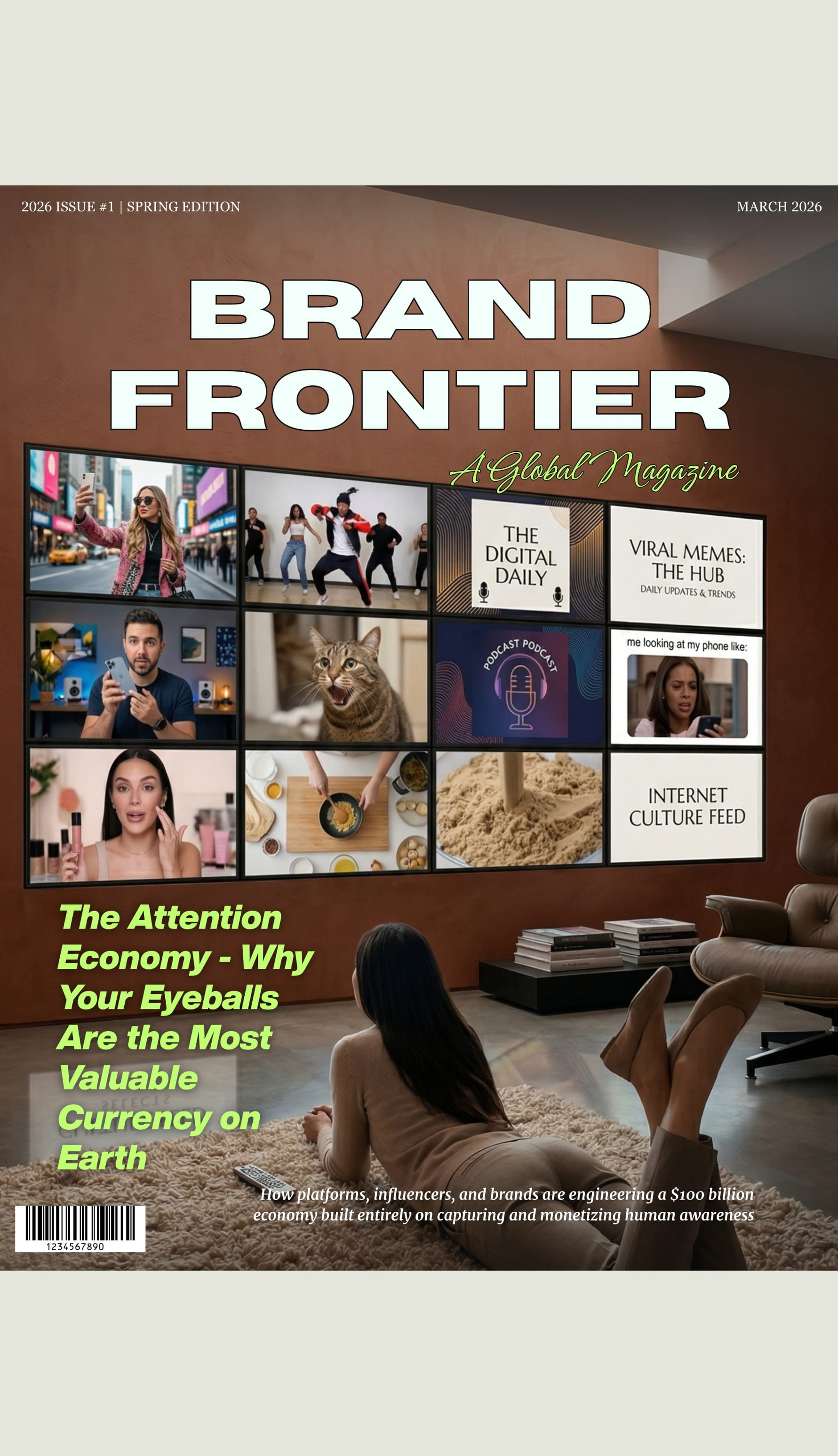
It highlights the key shifts reshaping the industry, from the rise of private content sharing and AI-driven personalization to the growing influence of emerging platforms and first-party data. The summary explores how search behavior is evolving, why content quality now outweighs volume, and how ROI transparency is becoming essential. Together, these trends point to a move toward more data-led, accountable, and trust-driven digital marketing strategies in 2026.

Digital marketing in 2026 is entering a phase defined by measurable impact, platform maturity, and changing consumer behavior. As global digital ad spending continues to grow, projected to cross USD 900 billion by 2026, accounting for over 75% of total advertising spend, brands are under increasing pressure to justify performance, protect user trust, and adapt to fragmented digital ecosystems.
This report outlines seven statistically supported digital marketing trends that are shaping strategies worldwide in 2026.
VERY IMPORTANT: Public engagement is no longer the primary driver of content reach.
Recent industry studies indicate that over 65% of content sharing now happens via private channels, including messaging apps, direct messages, email, and closed online communities. In contrast, visible public shares account for less than 35% of total distribution.
Messaging platforms collectively report 5+ billion monthly active users, making them one of the largest content-sharing ecosystems globally, yet largely invisible in traditional analytics dashboards.
VERY IMPORTANT: AI-driven personalization directly impacts revenue performance.
By 2026, more than 80% of marketers globally are using AI tools for content personalization, campaign optimization, and customer journey mapping. Brands using advanced personalization report:
AI now processes thousands of real-time signals, including browsing behavior, location context, and purchase history, to deliver individualized experiences across email, websites, ads, and apps.
Consumers expect relevance. Surveys show 72% of users engage only with marketing messages tailored to their interests, while 45% actively disengage when content feels generic or repetitive.
While major platforms still command the largest ad budgets, emerging and niche platforms are outperforming them on engagement metrics.
In 2026:
These platforms may deliver smaller audiences, but those audiences are more attentive, loyal, and conversion-ready.
VERY IMPORTANT: Discovery is shifting away from search-first behavior to community- and creator-led discovery.
Traditional search engines now account for less than 50% of total search activity. The remainder is spread across:
By 2026, over 55% of users under 35 begin product research on social or AI platforms rather than search engines.
VERY IMPORTANT: Third-party data is rapidly losing relevance.
With stricter privacy regulations and browser restrictions, over 70% of marketers now rely primarily on first-party data. Brands that effectively leverage first-party data report:
Owned channels, email, apps, websites, and loyalty programs, are now central to customer insights.
The focus is no longer on collecting more data, but on collecting better data with explicit consent.
Content saturation has led to measurable audience fatigue. In response:
In 2026, time spent, scroll depth, and repeat visits are more important performance indicators than impressions alone.
VERY IMPORTANT: Evergreen, research-backed content delivers sustained ROI, while low-effort content sees declining visibility across platforms.
Marketing budgets face tighter scrutiny as leadership demands clear returns. As a result:
Vanity metrics such as reach and impressions are being replaced by:
VERY IMPORTANT: Marketing is no longer a cost center, it is a measurable growth driver.
Digital marketing in 2026 is shaped by accountability, intelligence, and intentionality. The dominance of private sharing, AI-powered personalization, emerging platforms, and first-party data signals a move away from mass marketing toward precision-driven engagement.
Brands that succeed will be those that:
In an industry where attention is scarce and trust is critical, data-backed decisions, not assumptions, will define competitive advantage.
For questions or comments write to contactus@bostonbrandmedia.com



-v3.jpg)


-v3-02.jpg)