Stay informed with our newsletter.
.webp)


EN





Rising petrol prices are putting pressure on households, businesses and governments worldwide, highlighting the close connection between energy markets and the global economy. From geopolitical tensions and oil production decisions to currency fluctuations and growing fuel demand, several forces influence what drivers pay at the pump. Higher fuel costs can increase transportation expenses, push up food prices and complicate efforts to control inflation. As countries seek energy security and cleaner alternatives, the future of petrol prices remains a major economic concern.
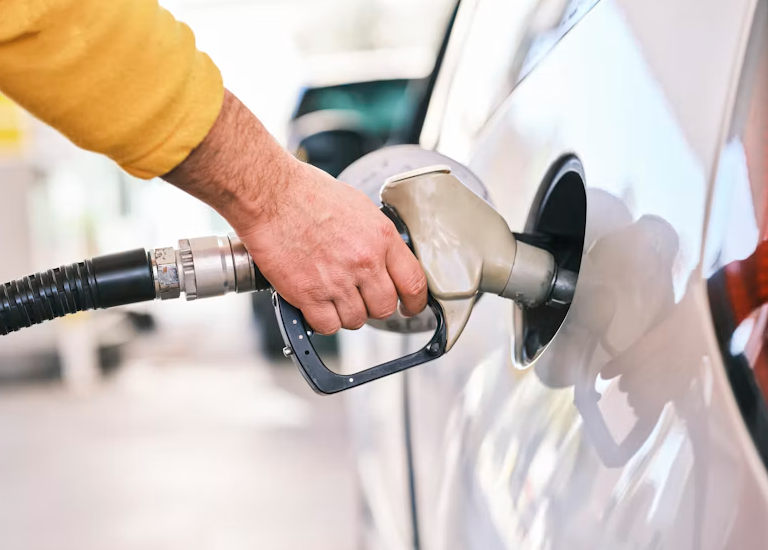
Rising petrol prices have become a growing concern for consumers and businesses around the world, putting pressure on household budgets and increasing operating costs across industries. Geopolitical tensions, uncertainty over oil supplies and disruptions to major shipping routes have contributed to volatility in global energy markets, raising concerns about the wider economic consequences.
Crude oil is the primary raw material used to produce petrol and diesel. When global supplies are disrupted or demand increases, international oil prices can rise, eventually affecting fuel costs. Tensions in the Middle East are particularly significant because the region plays a major role in global energy production and transportation. The Strait of Hormuz, one of the world's most important oil shipping routes, remains a key factor in market stability.
Higher petrol prices can affect far more than motorists. Transportation companies face increased fuel bills, while manufacturers and retailers may pay more to move goods. These additional expenses can eventually be passed on to consumers, contributing to higher prices for food, essential products and services. As a result, rising fuel costs can add to inflation and reduce household purchasing power.
The impact varies across countries. In the United States, higher gasoline prices can place additional pressure on household spending and influence inflation. European economies face similar challenges, particularly where energy imports are significant. Across Asia, countries that rely heavily on imported crude oil are vulnerable to changes in international prices and currency exchange rates.
India is particularly exposed to fluctuations in global oil markets because it imports a substantial share of its crude oil requirements. Higher international prices can increase the country's import bill and put pressure on inflation. However, the price consumers pay at petrol stations also depends on domestic taxes, currency movements, refining costs and government policies.
Governments have several options to manage the effects of rising fuel prices, including adjusting taxes, monitoring supply and supporting vulnerable households. However, these measures can involve financial trade-offs and may not fully protect economies from prolonged increases in international oil prices.
The longer-term response increasingly includes investment in renewable energy, electric vehicles and improved public transportation. Although these alternatives cannot immediately replace petrol and diesel across every sector, they can help reduce dependence on imported fossil fuels over time.
The future direction of petrol prices will depend on global oil production, consumer demand, geopolitical developments and the stability of transportation routes. Improved supply conditions could ease pressure on markets, while prolonged disruptions could keep prices volatile.
Ultimately, rising petrol prices are not simply a concern for motorists. They are closely connected to the cost of living, business activity and economic stability. As countries navigate uncertainty in global energy markets, balancing affordable fuel with long-term energy security will remain a major challenge.
For questions or comments write to contactus@bostonbrandmedia.com



-v3.jpg)


-v3-02.jpg)