Stay informed with our newsletter.
.webp)


EN





Rising solar activity following the recent solar maximum could make 2026 one of the best years to witness the Northern Lights. Scientists expect an increase in powerful solar storms that enhance auroral intensity and expand visibility to lower latitudes. These post-solar maximum effects may create more frequent, vivid, and widespread aurora displays, offering rare viewing opportunities for skywatchers, photographers, and travellers across the Northern Hemisphere and beyond.
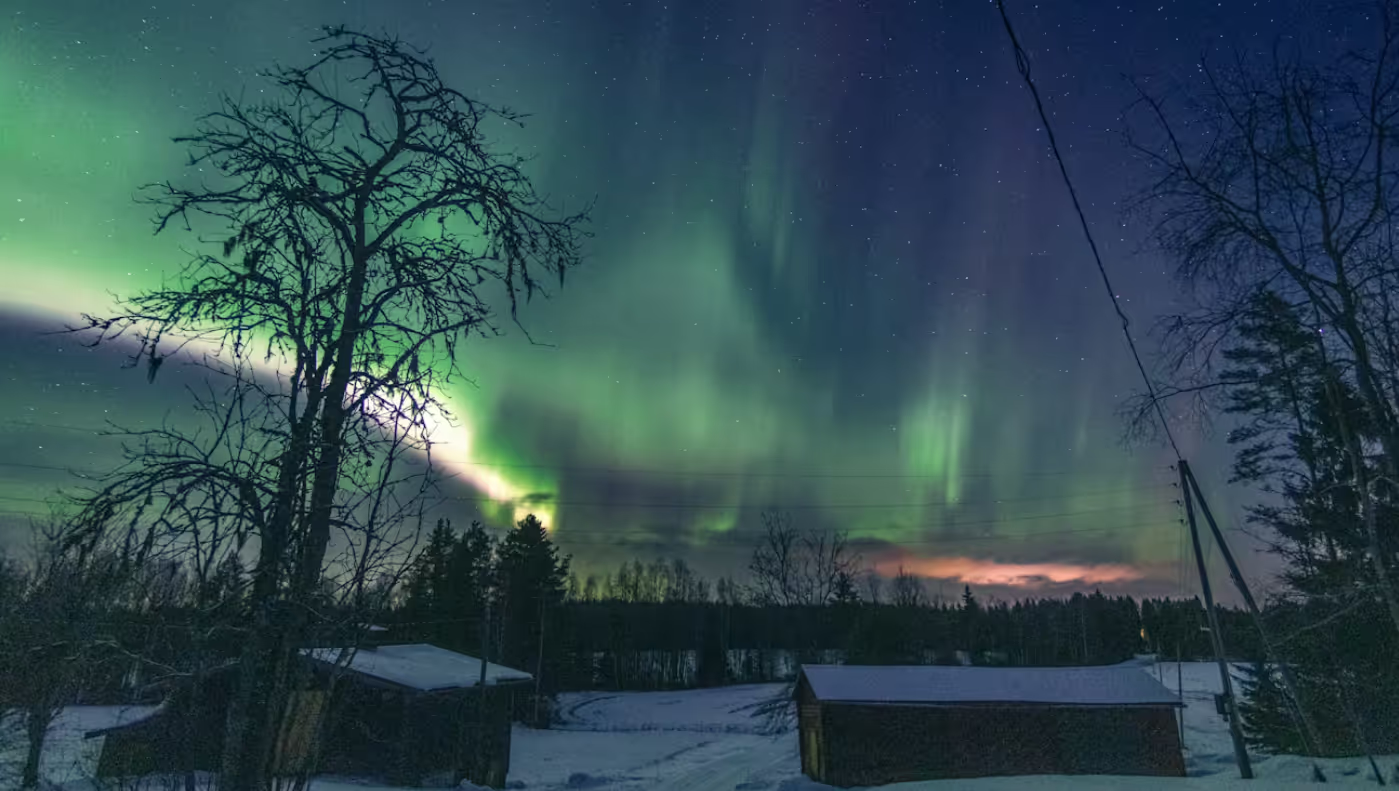
Even as the Sun slowly moves toward its next quiet phase, scientists say its energetic behavior is likely to stay elevated well into 2026. Late 2025 delivered dazzling auroral displays across northern regions after a powerful solar flare lit up the skies. NASA confirmed in October 2024 that the Sun had reached its solar maximum, a phase known for heightened activity. Researchers suggested that the most frequent and dramatic Northern Lights would unfold through 2026. While solar output has technically eased since its 2024 peak, the Sun continues to churn with sunspots and volatile storms.
Just one strong flare can still trigger breathtaking light shows, especially when it coincides with seasonal transitions. During the equinoxes, viewing odds surge, effectively doubling the chances of spotting an aurora.
Solar Storms and Auroras
Reports indicate that the Sun’s 11-year activity cycle crested between 2024 and 2025, releasing a wave of intense flares. In October 2024, NASA officially declared that Solar Cycle 25 had peaked. One standout event occurred on November 11, 2025, when a powerful X5.1-class flare hurled charged particles toward Earth, igniting what became the brightest aurora witnessed in the UK.
Although the Sun is gradually calming, its storms, including massive coronal mass ejections are far from over. These eruptions send streams of charged particles crashing into Earth’s upper atmosphere, where they collide with gases and paint the sky with shimmering auroras.
Seasonal Effects and Forecasting
Auroral activity tends to spike during the shift between spring and autumn. At these times, Earth’s tilted magnetic field aligns in a way that intensifies geomagnetic disturbances. According to the NOAA Space Weather Prediction Center, the equinoxes consistently rank as the prime windows for Northern Lights sightings.
This phenomenon, known as the Russell–McPherron effect, can double the likelihood of auroras during equinox periods. Today, advanced satellites and predictive models help scientists track incoming solar storms, while smartphones make it easier than ever for skywatchers to capture and share these celestial moments.
For questions or comments write to contactus@bostonbrandmedia.com
Source: gadgets360



-v3.jpg)


-v3-02.jpg)