Stay informed with our newsletter.
.webp)


EN





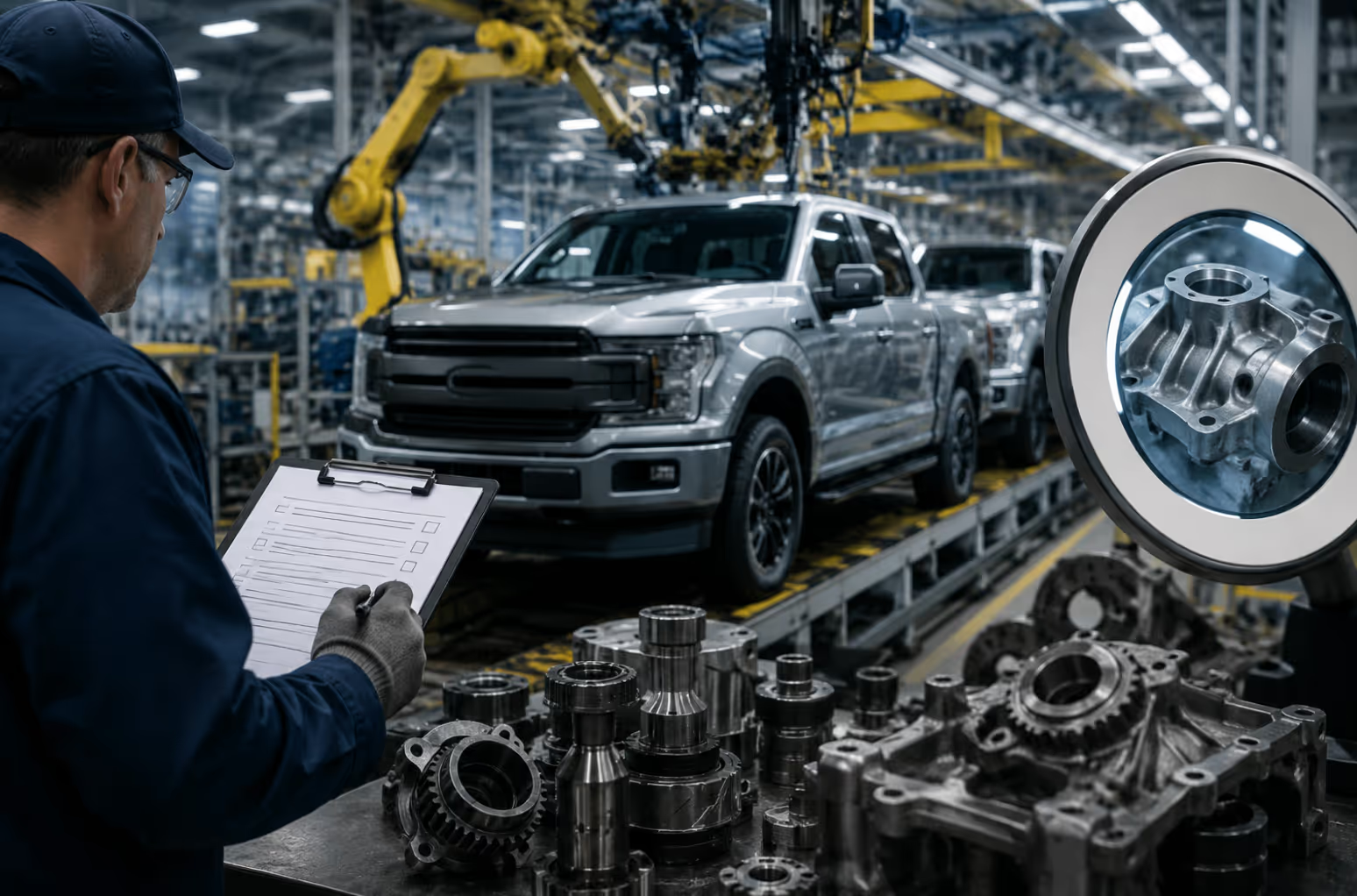
Ford Motor Company is tightening control over its supplier network as it confronts rising warranty expenses, recurring quality issues, and increasing production costs. The automaker is reportedly restricting some underperforming suppliers from securing new contracts unless they meet stricter quality and cost standards. The move reflects Ford’s broader effort to improve vehicle reliability, reduce recalls, strengthen operational efficiency, and protect profitability amid growing pressure from supply chain disruptions, material inflation, and intense competition in the global automotive industry.

Ford Motor Company is taking a far more aggressive stance toward suppliers as the company battles persistent quality concerns, warranty costs, and mounting pressure on profitability. In a move that signals a major shift in supplier management strategy, Ford has reportedly begun restricting some suppliers from bidding on new contracts if they repeatedly fail to meet quality and cost expectations. The decision reflects the automaker’s growing urgency to restore confidence in its manufacturing standards and improve operational discipline across its global supply chain.
The crackdown comes at a critical moment for Ford. Over the past several years, the company has struggled with recalls, production disruptions, and escalating warranty expenses that have weighed heavily on earnings. While Ford remains one of the world’s largest and most recognized automakers, it has increasingly faced criticism from analysts and customers over vehicle reliability issues. Executives have repeatedly acknowledged that quality problems have become a major obstacle to long-term profitability and brand trust.
According to recent reports, Ford is now demanding stricter multi-year agreements with suppliers and enforcing tighter performance standards tied to quality metrics and cost controls. Suppliers that fail to meet these standards risk losing future business opportunities with the company.
This tougher approach reflects a broader industry trend in which automakers are demanding greater accountability from supply chain partners. Modern vehicles rely on thousands of components sourced from hundreds of suppliers around the world. Even a single defective part can trigger large-scale recalls, disrupt production, and damage a brand’s reputation. For Ford, which sells millions of vehicles annually, the financial consequences of poor-quality parts can be enormous.
Warranty expenses have become a particularly serious issue. In recent years, Ford has spent billions addressing recalls and repairing defective vehicles. Problems involving transmissions, electrical systems, software integration, and manufacturing defects have repeatedly impacted some of its most important models, including trucks and SUVs that generate the majority of the company’s profits.
The automaker’s renewed focus on supplier accountability also coincides with broader operational challenges. Rising material costs, global supply chain disruptions, and tariff-related pressures continue to affect manufacturing economics across the automotive industry. Ford recently acknowledged that it still faces elevated costs linked to aluminum sourcing and supply chain disruptions tied to major supplier issues.
In particular, Ford has experienced difficulties linked to aluminum supply constraints after fires affected facilities operated by key supplier Novelis, an important aluminum producer for Ford’s high-volume F-Series truck lineup. The company noted that production disruptions and higher raw material costs continue to create financial strain despite improvements in some other areas of the business.
Ford’s leadership believes stricter supplier oversight could help reduce these long-term risks. By pushing suppliers to improve quality performance before defects reach production lines, the company hopes to reduce recall frequency, lower warranty spending, and improve customer satisfaction.
The strategy also aligns with CEO Jim Farley’s broader transformation agenda. Farley has repeatedly emphasized that Ford must improve execution and operational efficiency to compete more effectively in a rapidly changing automotive market. While Ford continues investing heavily in electric vehicles, software platforms, and connected technologies, management has made it clear that fixing fundamental quality issues remains a top priority.
Industry experts say Ford’s move may create short-term tension within its supplier network, but it could also strengthen long-term operational stability. Suppliers may now face increased pressure to invest in better manufacturing processes, stricter quality control systems, and more transparent reporting practices. Those unable to adapt may lose access to one of the industry’s largest automotive customers.
At the same time, Ford’s tougher stance carries risks. Automotive supply chains are already under strain from inflation, labor shortages, geopolitical instability, and fluctuating commodity prices. Aggressive supplier restrictions could narrow Ford’s pool of available partners, potentially creating sourcing challenges if alternative suppliers cannot quickly scale production.
Still, many analysts believe the company has little choice but to act decisively. Quality issues can quickly erode consumer trust in an industry where brand loyalty is critical. Repeated recalls not only generate direct repair costs but also harm resale values, customer retention, and future sales momentum.
Ford’s renewed supplier enforcement effort may also signal a cultural shift inside the organization. Historically, automakers often focused heavily on production speed and cost efficiency, sometimes at the expense of consistent quality oversight. Ford now appears determined to balance cost discipline with stricter accountability standards throughout its supply chain ecosystem.
The timing is especially important as the global auto industry enters a highly competitive transition period driven by electrification, digitalization, and software-defined vehicles. Electric vehicles contain fewer mechanical components than traditional combustion-engine vehicles, but they also introduce new challenges related to batteries, semiconductors, and software reliability. Any weaknesses in supplier coordination can create major operational and reputational risks.
Ford has already made significant investments in electric vehicle manufacturing and battery production, including large-scale projects in the United States. However, maintaining consistent quality during this transition will be essential if the company hopes to compete effectively against rivals such as General Motors, Tesla, and growing Chinese automakers.
Despite these challenges, Ford recently raised its annual profit outlook for 2026, helped partly by tariff-related financial relief and stronger-than-expected earnings performance. The company reported first-quarter adjusted earnings that exceeded analyst expectations, although executives cautioned that supply chain costs and material inflation remain ongoing concerns.
Investors will likely watch closely to see whether Ford’s supplier crackdown delivers measurable improvements over the next several quarters. Reduced recall activity, improved vehicle dependability ratings, and lower warranty expenses could strengthen investor confidence and improve the company’s competitive position.
For suppliers, the message from Ford is becoming increasingly clear: performance standards are rising, and long-term partnerships will depend on consistent execution. Suppliers that can deliver reliable components at competitive costs may benefit from stronger strategic relationships and longer-term contracts. Those that repeatedly fall short could find themselves excluded from future business opportunities.
Ultimately, Ford’s aggressive supplier management strategy highlights the growing importance of quality control in today’s automotive industry. As vehicles become more technologically complex and customer expectations continue to rise, automakers can no longer afford costly defects and operational inefficiencies. Ford’s latest actions suggest the company is determined to address these issues directly, even if it means taking a tougher stance with longstanding suppliers.
Whether the strategy succeeds will depend on execution, collaboration, and Ford’s ability to maintain supply chain resilience while enforcing stricter standards. But one thing is increasingly evident: in an era of intense competition and rapid technological change, quality is no longer just a manufacturing objective, it has become a defining business priority.
For questions or comments write to contactus@bostonbrandmedia.com



-v3.jpg)


-v3-02.jpg)