Stay informed with our newsletter.
.webp)


EN





Under new safety regulations in England, allergy awareness training will become compulsory for school staff to better protect students with severe allergies. The initiative aims to ensure teachers and school personnel can recognise symptoms of allergic reactions and respond quickly during emergencies. Authorities say the measure will improve student safety and preparedness in schools, as allergy cases continue to rise among children, making awareness and timely intervention increasingly important in educational environments.
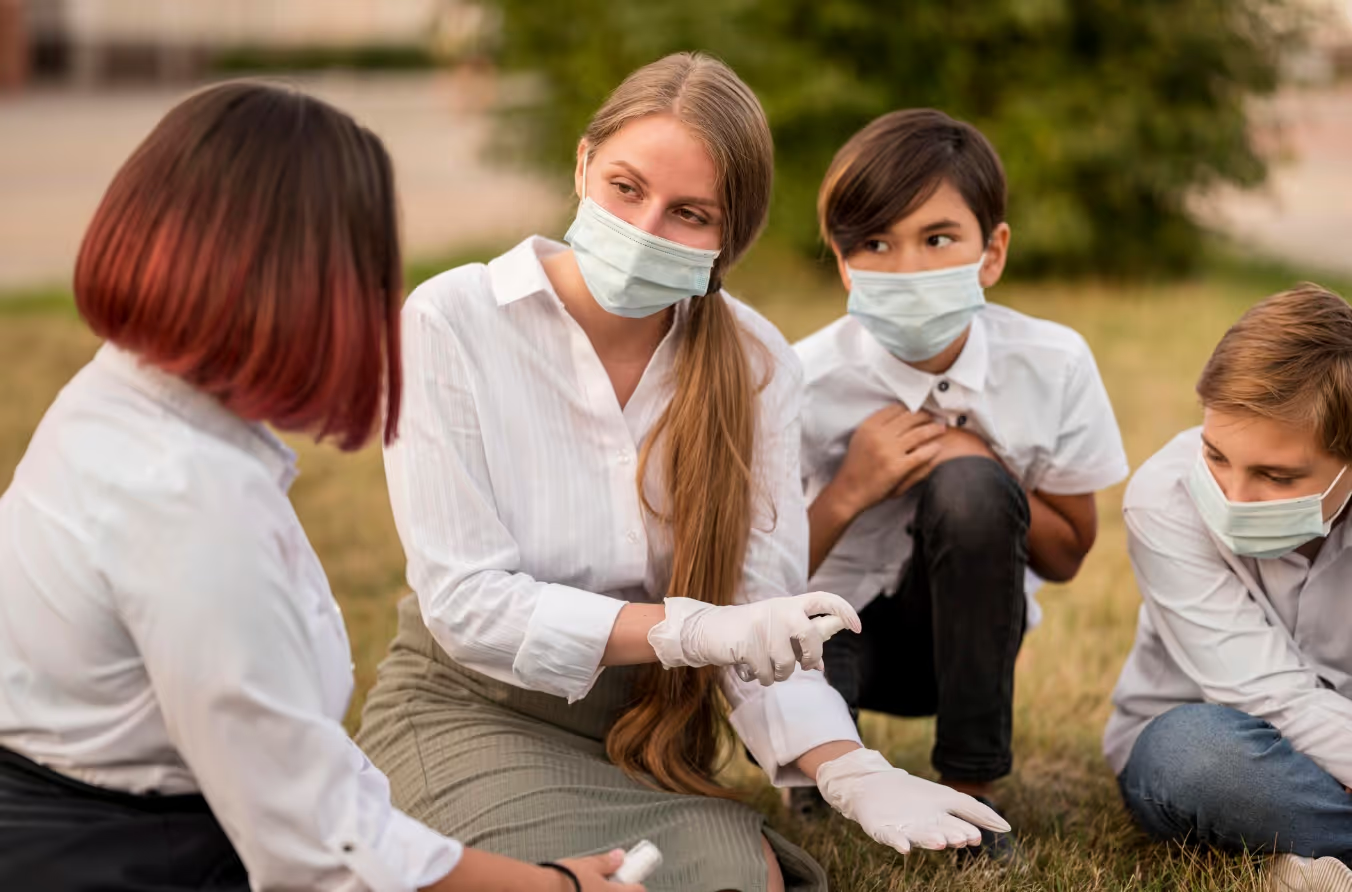
Schools throughout England will soon be required to provide allergy awareness training for every staff member, marking the first time such guidance has been made mandatory. The new rules were introduced through statutory guidance issued by the Department for Education.
Under the updated guidance, schools must also keep spare adrenaline auto-injectors on hand to handle emergency allergic reactions, even for students who have not previously been diagnosed with allergies. The move follows widespread cross-party backing for Benedict's Law, an initiative aimed at strengthening allergy protections in schools and ensuring children at risk of food allergies and anaphylaxis receive consistent, potentially life-saving safeguards.
Despite broad support for the policy, Paul Whiteman, head of the school leaders’ union National Association of Head Teachers, cautioned that implementing each element of the guidance will require proper funding. He stressed that schools should not be expected to absorb the costs entirely from their existing budgets.
Responding to the concerns, early education minister Olivia Bailey noted that many schools already operate strong allergy management policies and are familiar with similar practices. She said the government considers the requirements manageable within standard school budgets and pledged to work closely with schools to ensure the transition is smooth and practical. These measures are part of the government’s broader effort to reshape the national school food system and expand free school meal access to around 500,000 additional children beginning this September.
The campaign driving these reforms honours the memory of Benedict Blythe, a five-year-old from Stamford, Lincolnshire who tragically died after suffering an anaphylactic reaction at school in December 2021. His mother, Helen Blythe, who has worked closely with the National Allergy Strategy Group to advocate for stronger protections, described the announcement as a deeply meaningful milestone.
She explained that a series of mistakes ultimately contributed to her son’s death. Despite the school having records of his allergy, he was mistakenly given milk containing cow’s milk protein. An inquest into the incident revealed that staff failed to recognise the early signs of his allergic reaction quickly enough, delaying the administration of life-saving medication.
Helen Blythe said her family hopes that improved safeguards will prevent other parents from enduring the same heartbreak. She added that allergic reactions can be extremely frightening experiences, and stronger precautions are essential to reduce those risks. Data from the Department for Education shows that allergy-related illnesses and medical appointments resulted in around 500,000 missed school days last year. Officials believe the new guidance could not only protect lives but also help reduce disruptions to children’s education.
Helen Houghton, headteacher at Warter Primary School in East Yorkshire, described the new policy as a vital step forward. She noted that roughly five percent of pupils at her school live with allergies, some of which require particularly careful management. To improve preparedness, the school has already dedicated part of its budget to additional staff training and specialised allergy equipment. Houghton said the investment is relatively small compared with the reassurance it provides in keeping children safe.
She also personally meets with parents of children who have allergies to create tailored medical care plans that address each child’s specific needs. Houghton acknowledged that living with severe allergies can be deeply stressful for both children and their families. For schools, she said, maintaining strict systems and shared responsibility among staff is key to ensuring safety and giving parents peace of mind.
While some schools have already taken similar precautions, the new rules will make such protections compulsory in every school across England. A 2024 freedom of information request by the Benedict Blythe Foundation revealed that around 70 percent of schools in England had not implemented the recommended allergy safety measures. The study also found that half of schools lacked adrenaline pens or spare auto-injectors on site.
Whiteman said the forthcoming guidance is welcome because it provides clearer information and direction for schools supporting pupils with health conditions. He added that schools are committed to inclusion while fulfilling their duty to protect every child in their care. According to Houghton, creating a safe environment involves more than simply training staff, it also requires adapting school culture and everyday practices. Her school carefully checks that learning materials and resources, including those used in science activities, are safe for children with allergies.
Helen Blythe believes the reforms will make a genuine difference and help prevent tragedies in the future. She said the children starting school this September will be the first generation to enter classrooms where comprehensive allergy protections are guaranteed, something she described as both reassuring and hopeful. Before the rules officially take effect in September, the government is inviting feedback from parents, teachers, and specialists to refine the guidance and ensure it works effectively for schools nationwide.
For questions or comments write to contactus@bostonbrandmedia.com
Source: BBC



-v3.jpg)


-v3-02.jpg)