Stay informed with our newsletter.
.webp)


EN





A hot air balloon carrying 13 passengers made an unexpected emergency landing in a residential backyard in Temecula after the pilot reported fuel concerns and unstable hovering. The balloon descended dangerously close to nearby homes and trees, astonishing residents who witnessed the dramatic scene. Despite the tense situation, the pilot managed a controlled landing, and no injuries or property damage were reported, turning a potentially risky incident into a safe and remarkable outcome.
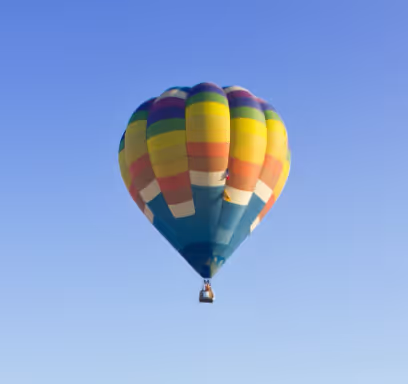
A quiet Saturday morning in Temecula turned unexpectedly dramatic when a hot air balloon carrying 13 people made an emergency landing in a residential backyard, startling homeowners and drawing attention to both the charm and risks of recreational ballooning.
According to reports, the balloon descended into the yard of a local couple, who woke up to the unusual sight of a fully occupied basket hovering just feet from their home. The pilot later explained that the landing was not planned, but necessary due to the balloon hovering unpredictably and running low on fuel, a critical situation in hot air balloon operations.
The homeowner, Jenna Perrin, described the moment with a mix of shock and relief. “I was amazed that they missed our tree. They missed our house,” she said. “They’re practically kissing the fence.” Her remarks underscore how close the incident came to causing property damage or potential injuries. Fortunately, no one on board or on the ground was harmed.
Hot air ballooning, while often perceived as a serene and scenic activity, relies heavily on environmental conditions and careful fuel management. Unlike powered aircraft, balloons do not have steering controls in the conventional sense. Instead, pilots navigate by adjusting altitude to catch wind currents moving in different directions. This makes them highly dependent on weather patterns, which can shift unexpectedly.
In this case, the pilot’s decision to execute an emergency landing likely followed standard safety protocols. When fuel levels drop or wind conditions become unstable, balloon pilots are trained to land as soon as a safe area is identified. Residential areas are not ideal landing zones, but in emergencies, open backyards, fields, or even streets may be used if they present the safest available option.
Fuel management is particularly critical in hot air ballooning. Most balloons use propane burners to heat the air inside the envelope, allowing it to rise. A typical flight lasts about one to two hours, depending on fuel capacity and weather conditions. Running low on fuel can reduce the pilot’s ability to maintain altitude, making a controlled descent essential.
The Federal Aviation Administration (FAA) in the United States regulates balloon operations under specific guidelines, including pilot certification and maintenance standards. While accidents involving hot air balloons are relatively rare, incidents such as hard landings or unexpected descents do occur, often linked to weather changes or technical factors.
Temecula, known for its picturesque vineyards and scenic landscapes, is a popular location for hot air balloon rides. The region’s calm morning winds and expansive views make it ideal for tourism-driven ballooning experiences. Companies in the area frequently offer sunrise flights, which are considered the safest time due to more stable atmospheric conditions.
Despite the inherent risks, hot air ballooning maintains a strong safety record overall. According to aviation safety data, the majority of balloon incidents result in minor injuries or no injuries at all. Serious accidents are uncommon, particularly when experienced pilots adhere to safety protocols and monitor weather conditions closely.
The incident also highlights the importance of pilot training and quick decision-making. In this scenario, the pilot’s ability to identify a landing spot and execute a controlled descent likely prevented a more dangerous outcome. Navigating a large balloon into a confined residential space requires precision and calm under pressure.
For the residents, the experience was both surreal and memorable. While the unexpected landing may have caused initial alarm, the absence of injuries and damage turned it into a story of relief rather than tragedy. It also served as a reminder of how unpredictable aerial activities can intersect with everyday life.
Emergency landings in populated areas, though uncommon, are not unheard of in ballooning. Pilots are trained to prioritize safety above all else, even if it means landing in unconventional locations. In many cases, ground crews follow the balloon and assist with landing and retrieval, though timing and distance can sometimes limit their immediate involvement.
As ballooning continues to be a popular recreational activity, especially in scenic regions like Temecula, incidents like this reinforce the need for awareness among both operators and the public. Understanding the limitations of balloon navigation and the role of environmental factors can help set realistic expectations for safety.
In the end, what could have been a dangerous, turned into a fortunate outcome. The balloon landed safely, the passengers remained unharmed, and the homeowners were left with an unforgettable story. It’s a vivid example of how quick thinking, training, and a bit of luck can make all the difference when things don’t go as planned in the skies above.
For questions or comments write to contactus@bostonbrandmedia.com



-v3.jpg)


-v3-02.jpg)