Stay informed with our newsletter.


EN




Netflix remains a global streaming powerhouse, but its next challenge is keeping audiences engaged. Despite continued revenue growth, reports suggest users are opening the platform less frequently and spending fewer hours watching. As subscriber growth becomes less important in mature streaming markets, engagement, advertising and monetisation are emerging as critical battlegrounds. With competition from YouTube, TikTok and rival platforms intensifying, Netflix must generate stronger programming, live entertainment and viewing habits to sustain its leadership.

For more than a decade, Netflix helped define the streaming revolution. Its extraordinary rise transformed television distribution, rewrote Hollywood economics and pushed virtually every major entertainment company to build a direct-to-consumer platform. But in 2026, the company faces a more complicated challenge: Netflix is still growing financially, yet emerging evidence suggests that some viewers are opening the service less frequently and spending less time watching it.
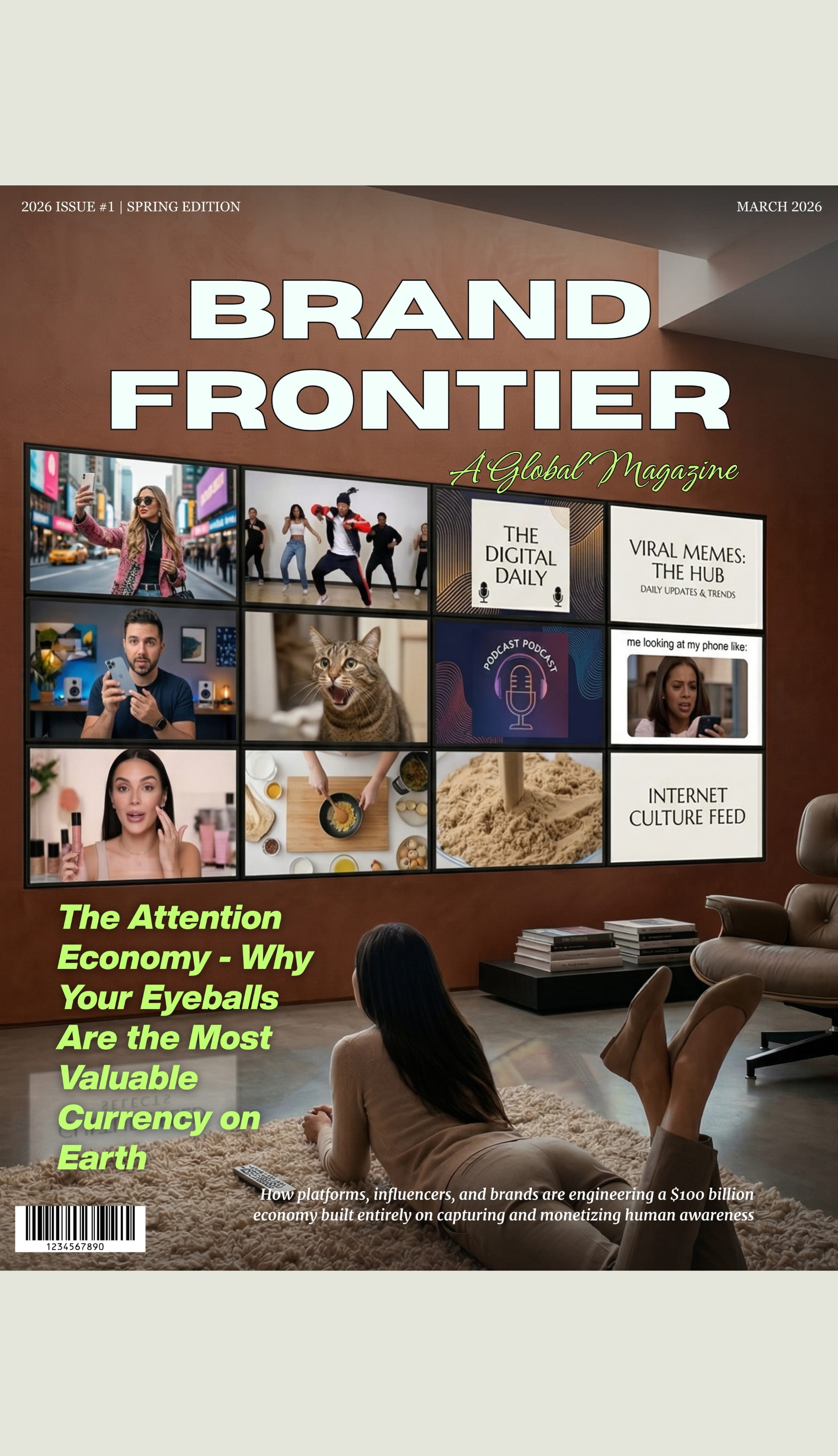
That distinction matters. The next phase of the streaming war may no longer be primarily about acquiring subscribers. It is increasingly becoming an attention war, a contest over how frequently consumers return, how long they stay, what they watch and ultimately how effectively those hours can be monetised.
Netflix's third-quarter results underline this paradox. The company generated approximately $12.9 billion in Q3 revenue, up around 12% year over year, while continuing to operate as an enormously profitable global entertainment business. Yet the company also lowered expectations for its advertising business, while investors questioned whether its once-relentless growth trajectory was beginning to moderate.
The most important numbers may now be happening behind the traditional financial statements.
Recent reporting indicates that Netflix customers are not opening the application on as many days each month as they did several years ago. Internally, Netflix reportedly tracks this behaviour through a measure known as QPD, or “qualified play days,” which gauges how frequently customers actually use the service.
The average customer is also reportedly spending less time watching. Although total Netflix viewing increased slightly during the first half of 2026, reporting indicates that the increase was driven by a larger customer base rather than heavier consumption by each individual viewer.
Third-party estimates reinforce the concern. Jefferies estimated that average monthly viewing per Netflix member fell from approximately 66 hours during the first half of 2023 to 49 hours during the first half of 2026. Apptopia data cited by Reuters also indicated that U.S. user churn increased 16.6% year over year during the third quarter, while downloads across the United States and Canada fell about 20%.
These figures do not mean Netflix is suddenly losing its relevance. They reveal something more nuanced: financial growth and audience engagement do not necessarily move together.
Netflix spent years teaching Wall Street to focus on subscriber growth. More households meant more subscriptions, which meant more recurring revenue.
But streaming has matured.
In developed markets, millions of households already subscribe to several services. Consumers increasingly rotate subscriptions, cancel after watching particular shows and divide entertainment time among streaming platforms, social media, gaming, podcasts and creator-led video.
Netflix is therefore competing for something more finite than household budgets: human attention.
That competition increasingly includes platforms built around enormous quantities of inexpensive creator-generated content. Reuters noted that YouTube has nearly twice Netflix's viewing time in the United States, according to Nielsen data cited in its reporting. TikTok presents another fundamentally different competitor, offering personalised, rapidly refreshed entertainment designed around short bursts of attention.
Netflix must persuade consumers to choose a professionally produced series, movie or live event when they could instead spend that same hour scrolling through an effectively infinite personalised feed.
That is a very different competitive environment from the early streaming era.
The rise of Netflix's advertising business makes engagement even more important.
Netflix lowered its 2026 advertising-revenue forecast to roughly $2.7 billion from about $3 billion, with the company pointing to advertising capabilities arriving more slowly than anticipated.
This is significant because advertising changes how Netflix makes money from attention.
Under a purely subscription-based model, a customer paying every month can remain economically valuable even if viewing fluctuates. In an advertising-supported model, however, viewing time creates advertising inventory. More viewing occasions can mean more opportunities to show advertisements, collect campaign data and demonstrate value to marketers.
Netflix itself describes engagement in terms broader than raw hours. In its first-half 2026 viewing report, the company said engagement involves both the quantity and quality of viewing, as well as providing sufficient variety to match different audiences, tastes and moods.
That makes the emerging strategic equation relatively straightforward:
Better content → stronger engagement → greater consumer value → more monetisation opportunities.
Netflix's own Q3 shareholder communication similarly describes streaming television, films and live events — monetised through subscriptions and advertising, as the core engine of the company.
That puts enormous pressure on Netflix's content machine.
The platform has spent billions creating an extraordinary volume of television and film across dozens of markets. But quantity alone cannot guarantee cultural impact.
Recent reporting suggests Netflix has struggled to generate as many major new hits as in some previous periods and has encountered difficulties sustaining audiences through later seasons of certain shows. Internally discussed explanations reportedly include stronger competition, programming performance, marketing and changes to the service's interface.
Netflix has already responded with substantial organisational changes. The company announced workforce reductions of about 6%, while former Disney executive Peter Rice has taken over content leadership. Analysts see the restructuring as an attempt to sharpen programming decisions and improve the company's creative hit rate.
The underlying objective is increasingly clear: Netflix does not simply need content. It needs programming capable of creating habit.
One answer may be live programming.
Live sports, special events and appointment television can accomplish something that enormous on-demand libraries sometimes struggle to achieve: they give viewers a reason to open an application at a specific moment.
Netflix has increasingly experimented with live entertainment, and co-CEO Ted Sarandos has identified live programming as one potential avenue for accelerating engagement. The company has also secured rights to broadcast the 2030 FIFA World Cup in Spain and Andorra, illustrating how its ambitions are expanding beyond conventional films and episodic television.
Live programming can also be particularly attractive to advertisers because major events concentrate large audiences into predictable windows.
In other words, Netflix may increasingly resemble not merely a streaming library, but a broader global entertainment network.
Netflix remains in an enviable position. It has global scale, powerful technology, extensive distribution, a vast content library and one of entertainment's most recognisable consumer brands.
But expectations have changed.
Reuters reported that Netflix shares fell nearly 5% following its latest results, while more than 20 brokerages reduced their price targets. Investors are increasingly asking where the company's next major growth engine will come from as advertising develops more slowly than anticipated and competition for viewing time intensifies.
That is why the engagement debate matters far beyond Netflix.
The streaming industry's defining metric is gradually changing. The first era was about subscriber acquisition. The second was about profitability. The emerging third era is about engagement and monetisation.
Netflix helped win the first streaming war by persuading hundreds of millions of people that internet-delivered entertainment could replace traditional television habits.
Its next challenge may be harder.
It must persuade those audiences to keep coming back, keep pressing play and keep watching, in an entertainment economy where almost every platform on the planet is competing for the same limited hours of the day.
For questions or comments write to contactus@bostonbrandmedia.com